Open Source Qualitative Data Analysis Software





















 CN
CN




 1/6
1/6




 CN
CN


 1/2
1/2


































 1/20
1/20
About open source qualitative data analysis software
Where to Source Open Source Qualitative Data Analysis Software?
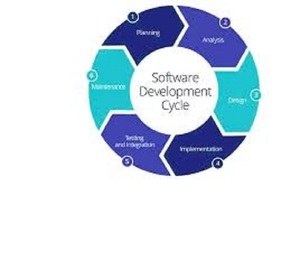
The global supplier base for open source qualitative data analysis software is concentrated among specialized development firms in India, Vietnam, and China, with distinct operational models shaping service delivery. Indian suppliers such as TAKSH IT SOLUTIONS PRIVATE LIMITED and KAEM SOFTWARES PRIVATE LIMITED operate within a mature IT outsourcing ecosystem, offering structured software development cycles backed by agile project management frameworks. These firms typically deploy teams of 10–50 developers with expertise in Python, R, and web-based analytics platforms, enabling rapid prototyping and integration of open source libraries like NVivo-compatible APIs or MAXQDA extensions.
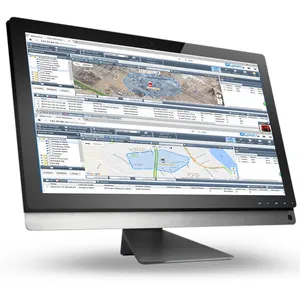
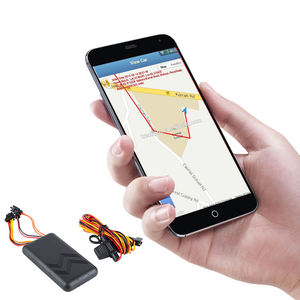
Vietnamese providers like STEPMEDIA SOFTWARE VIET NAM COMPANY LIMITED leverage cost-efficient talent pools and bilingual technical staff to serve European and North American research institutions, academic consortia, and healthcare analytics firms. Their development workflows emphasize compliance with GDPR and HIPAA standards when handling sensitive qualitative datasets. Chinese suppliers, including Shenzhen Trackpro Electronic Technology Co., Ltd., primarily integrate analytical software with hardware tracking systems, focusing on embedded data collection modules used in behavioral studies and field research.
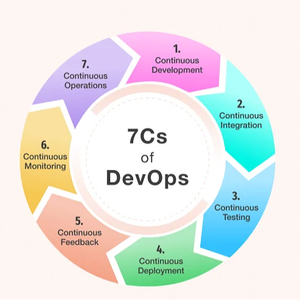
These regional clusters enable scalable delivery through established DevOps pipelines, version control repositories (Git/GitLab), and CI/CD automation. Buyers benefit from modular development approaches, where core functionalities—coding frameworks, thematic analysis engines, sentiment classification, and visualization dashboards—are built using permissively licensed open source components (MIT, GPL). Typical deployment timelines range from 8–16 weeks depending on customization depth, with cloud-hosted SaaS models increasingly preferred over on-premise installations.
How to Evaluate Open Source Qualitative Data Analysis Software Suppliers?
Adopt the following verification criteria to ensure technical reliability and transaction security:
Development Expertise Validation
Confirm direct experience in qualitative research methodologies (grounded theory, content analysis, discourse analysis) and familiarity with CAQDAS (Computer-Assisted Qualitative Data Analysis Software) standards. Review GitHub repositories or code samples for adherence to open source licensing, modularity, and documentation quality. Prioritize suppliers who contribute to public projects or maintain active forks of tools like RQDA, Weft QDA, or Taguette.
Technical Infrastructure Assessment
Evaluate key capabilities:
- Use of containerized environments (Docker, Kubernetes) for reproducible deployments
- Integration with Jupyter Notebooks, RESTful APIs, or SPSS/R interoperability layers
- In-house QA testing processes for algorithm accuracy and inter-coder reliability metrics
Cross-reference claimed development scope with actual product listings and client-facing deliverables to identify potential misalignment between advertised services and executable output.
Transaction and Intellectual Property Safeguards
Require clear licensing agreements specifying ownership of custom-developed code and permitted use of third-party libraries. Utilize milestone-based payment structures with escrow protection until final验收 (acceptance testing). Verify that delivered software includes full source access, build scripts, and dependency manifests to ensure long-term maintainability. Assess after-sales support availability for bug fixes, updates, and user training—critical for non-technical research teams.
What Are the Leading Open Source Qualitative Data Analysis Software Providers?
| Company Name | Location | Main Products | On-Time Delivery | Response Time | Online Revenue | Reorder Rate | Min. Order Value |
|---|---|---|---|---|---|---|---|
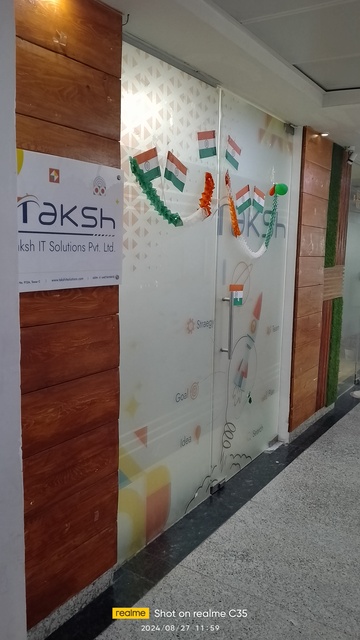
| TAKSH IT SOLUTIONS PRIVATE LIMITED | India | AI Applications, Desktop & Web Applications, APIs | 75% | ≤1h | US $2,000+ | Not Available | $3,500 |
| STEPMEDIA SOFTWARE VIET NAM COMPANY LIMITED | Vietnam | Data Analytics, Cloud Database, Marketing Software | Not Available | ≤2h | Not Available | Not Available | $5,000 |
| Shenzhen Trackpro Electronic Technology Co., Ltd. | China | GPS Tracking Software, Diagnostic Tools | 100% | ≤5h | US $30,000+ | <15% | $1,500 |
| PROTOLABZ ESERVICES | India | Software Development, Application Design | Not Available | ≤4h | Not Available | Not Available | $2 |
| KAEM SOFTWARES PRIVATE LIMITED | India | Data Analytics, ERP, Invoice Management | Not Available | ≤2h | US $8,000+ | Not Available | $95 |
Performance Analysis
TAKSH IT SOLUTIONS stands out for rapid responsiveness (≤1 hour) and integration breadth across AI and desktop applications, though its 75% on-time delivery rate suggests potential scheduling risks. Shenzhen Trackpro demonstrates perfect order fulfillment and high online revenue volume, indicating robust operational execution despite limited reorder activity. KAEM SOFTWARES offers the lowest entry point ($95 minimum), making it accessible for pilot projects, while STEPMEDIA’s broad price band ($5,000–$50,000) reflects capacity for enterprise-grade development. PROTOLABZ lists unusually low minimum orders ($2), which may indicate template-based offerings rather than fully customized solutions—warranting deeper due diligence into development authenticity and originality.
FAQs
How to verify software authenticity and open source compliance?
Request complete source code disclosure and conduct license audits using tools like FOSSA or Black Duck. Confirm that dependencies are documented under OSI-approved licenses and that modifications comply with copyleft requirements where applicable.
What is the typical development timeline for custom qualitative analysis software?
Standard implementations require 8–12 weeks; complex systems involving machine learning-assisted coding or multi-language support extend to 16 weeks. Expect iterative delivery with biweekly sprints and demo checkpoints.
Can suppliers integrate with existing research workflows?
Yes, reputable developers support CSV, TXT, PDF, DOCX, and audio/video imports, along with export options for coding reports in RTF, HTML, or JSON formats. API connectivity enables synchronization with LIMS, CRM, or survey platforms.
Do suppliers provide post-delivery maintenance?
Service-level agreements vary. Some include 3–6 months of free bug fixing; others offer paid annual maintenance contracts covering updates, hosting, and user support.
How to assess scalability for large-scale research projects?
Evaluate backend architecture: PostgreSQL/MongoDB for data storage, Redis for caching, and load-balanced application servers. Request performance benchmarks for datasets exceeding 1,000 interview transcripts or 10,000 coded segments.





