



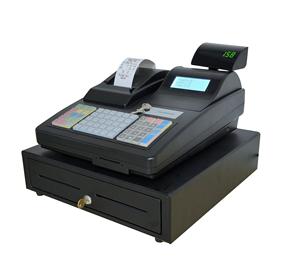
Open Source Ticketing System






 1/15
1/15










 1/3
1/3



 1/9
1/9



 1/15
1/15



 1/3
1/3


 1/3
1/3






 1/24
1/24



 1/3
1/3


 1/3
1/3



 0
0


 1/3
1/3


 1/3
1/3



 1/3
1/3




 1/3
1/3



 1/3
1/3


 1/3
1/3






 0
0


 1/3
1/3
About open source ticketing system
Where to Find Open Source Ticketing System Suppliers?
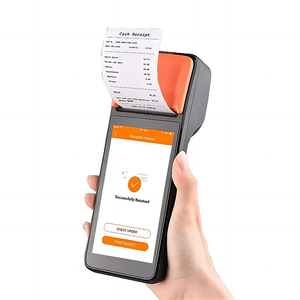
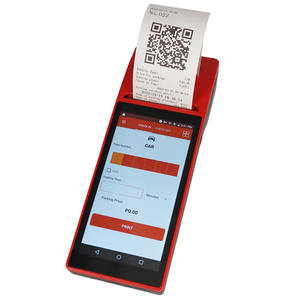
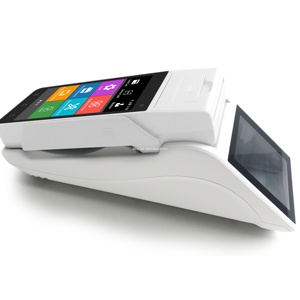
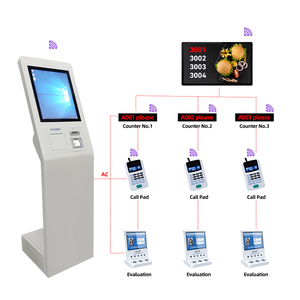
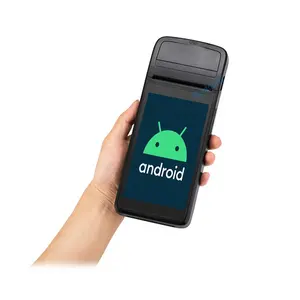
China leads global production of open source ticketing systems, with key manufacturing clusters in Guangdong and Fujian provinces. These regions host vertically integrated supply chains combining hardware assembly, software integration, and IoT connectivity solutions. Shenzhen’s electronics ecosystem enables rapid prototyping and scalable production of Android- and Linux-based terminals, while Xiamen specializes in mobile POS-integrated ticketing devices for transportation and event management sectors.
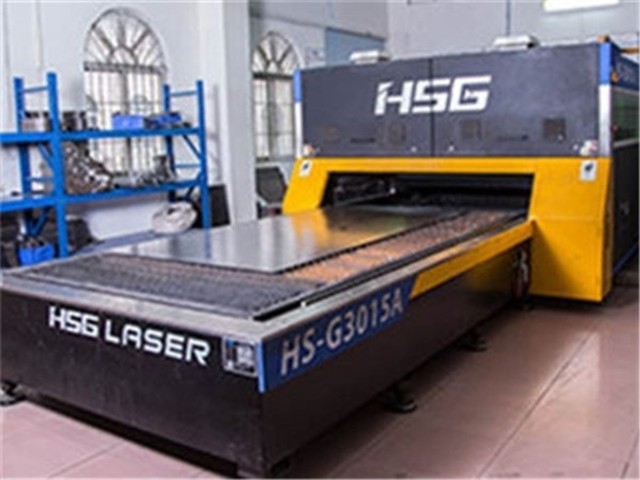
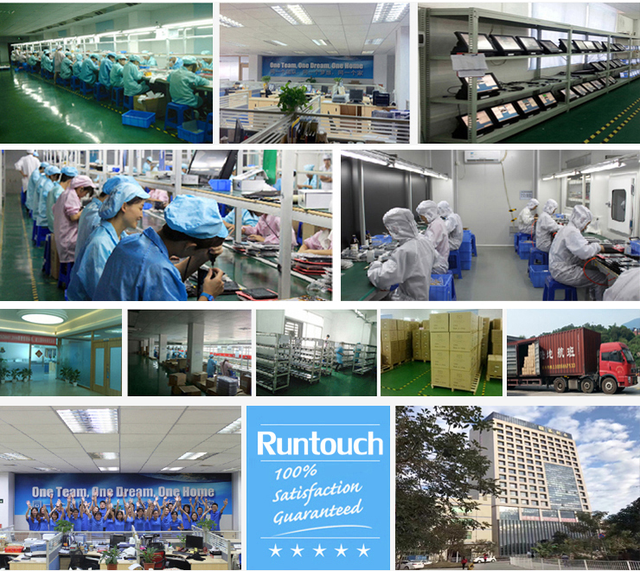
Suppliers leverage localized component sourcing—particularly displays, NFC modules, and thermal printers—to reduce bill-of-materials costs by 18–25% compared to non-Asian manufacturers. Industrial zones support just-in-time manufacturing, with average lead times of 15–25 days for standard orders. Buyers benefit from co-location of firmware developers, hardware engineers, and compliance testers within 30km radii, enabling agile customization and faster time-to-market for region-specific configurations.
How to Choose Open Source Ticketing System Suppliers?
Implement structured evaluation criteria to mitigate procurement risk:
Technical Compliance & Certification
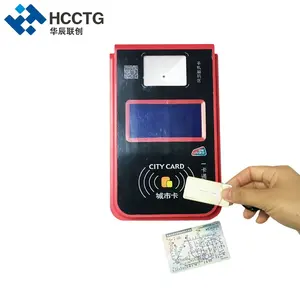
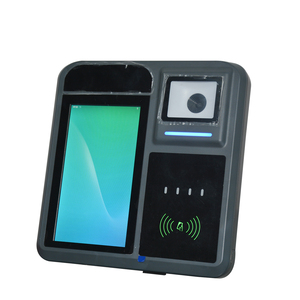
Confirm adherence to international standards including CE, FCC, and RoHS for electromagnetic compatibility and environmental safety. For payment-integrated systems, verify PCI-EMV certification for secure transaction processing. Require documented proof of NFC reader performance (ISO/IEC 14443 Type A/B) and barcode scanning accuracy (e.g., QR, Code 128).
Production and Customization Capacity
Assess supplier capabilities through the following benchmarks:
- Minimum R&D team size of 5+ engineers focused on embedded systems and open-source OS adaptation
- In-house control over firmware modification, UI customization, and API integration
- Proven experience with dual-SIM, 4G LTE, Wi-Fi 6, and Bluetooth 5.0 module integration
Cross-reference online revenue data and reorder rates to validate market acceptance and post-sale support effectiveness.
Transaction and Quality Assurance
Prioritize suppliers offering third-party transaction protection and documented quality control processes. Evaluate response time (target ≤3 hours) and on-time delivery rate (benchmark ≥95%) as indicators of operational reliability. Request sample units to validate build quality, boot stability, and peripheral interoperability before scaling orders.
What Are the Best Open Source Ticketing System Suppliers?
| Company Name | Location | Online Revenue | On-Time Delivery | Avg. Response | Reorder Rate | Customization Options | Verified Status |
|---|---|---|---|---|---|---|---|
| Shenzhen Zcs Technology Co., Ltd. | Shenzhen, CN | US $1.1M+ | 99% | ≤2h | 15% | Color, battery, scanner, RAM, logo, packaging | Custom Manufacturer |
| Xiamen Goodcom Technology Co., Ltd. | Xiamen, CN | US $690K+ | 95% | ≤3h | <15% | Mobile POS, thermal printing, SMS/GPRS integration | - |
| Shenzhen Hcc Technology Co., Ltd. | Shenzhen, CN | US $270K+ | 93% | ≤2h | <15% | Language, MDM, IC/EMV, fingerprint, LED display | Multispecialty Supplier |
| Guangzhou Sudeng Information Technology Co., Ltd. | Guangzhou, CN | US $270K+ | 97% | ≤3h | <15% | OS, CPU, screen, RAM, SSD, 4G, NFC, printer type | - |
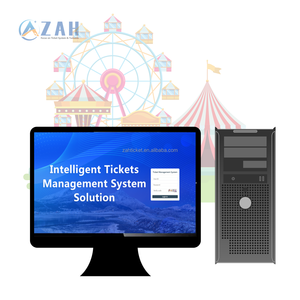
| Shenzhen ZAH Intelligent Equipment Co., Ltd. | Shenzhen, CN | US $20K+ | 100% | ≤1h | <15% | Material, size, color, logo, packaging | Multispecialty Supplier |
Performance Analysis
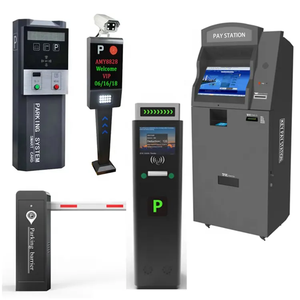
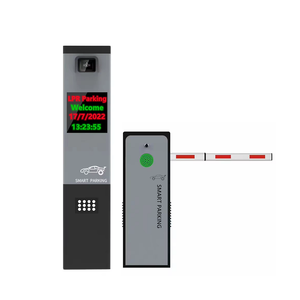
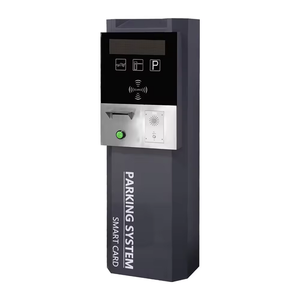
Shenzhen Zcs Technology stands out with the highest verified revenue (US $1.1M+) and near-perfect on-time delivery (99%), indicating strong operational maturity. Xiamen Goodcom offers extensive deployment experience in parking and transit systems, supported by a broad portfolio of Android-based POS-integrated terminals. While Shenzhen ZAH reports lower revenue, its 100% on-time delivery and sub-one-hour response time reflect exceptional service discipline. Suppliers in Shenzhen dominate in technical flexibility, offering deep customization in NFC, EMV, and outdoor-ready enclosures. For high-volume buyers, prioritize partners with documented API access and remote device management (MDM) support to ensure long-term system maintainability.
FAQs
How to verify open source ticketing system supplier reliability?
Cross-check certifications (CE, FCC, PCI-EMV) with official databases. Request firmware architecture documentation to confirm true open-source compatibility (e.g., Android AOSP or Linux kernel access). Analyze customer reviews focusing on SDK availability, update frequency, and debugging support.
What is the typical sampling timeline?
Standard units are available within 7–10 days. Customized models with specific language, SIM configuration, or peripheral integration require 12–18 days. Air shipping adds 5–7 business days globally.
Can suppliers support global deployment?
Yes, leading suppliers offer multilingual UIs (including French, Spanish, Arabic), dual-SIM variants, and IP-rated enclosures for outdoor use. Confirm compliance with local telecom regulations (e.g., SRRC in China, FCC in the U.S.) prior to shipment.
Do suppliers provide free samples?
Sample fees are typically charged but fully refundable upon order placement (minimum 10 units). For highly customized units, expect non-refundable engineering charges covering 30–40% of development cost.
How to initiate customization requests?
Submit detailed specifications including operating system version (Android 9–13, Linux), required interfaces (NFC, barcode, magnetic stripe), network bands (4G LTE-FDD/TDD), and physical constraints (size, ingress protection). Reputable suppliers provide functional prototypes within 10–14 days and API documentation within 72 hours of project kickoff.





