Philips Remote Program Codes


 1/3
1/3




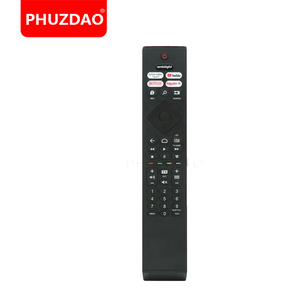
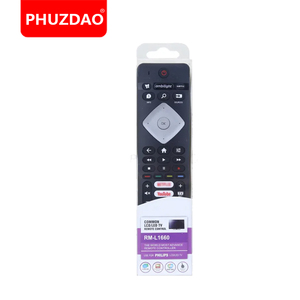

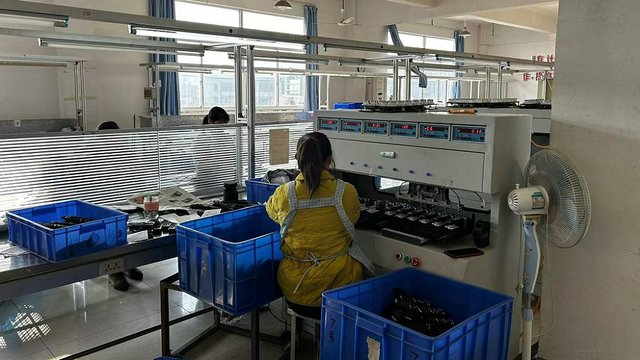


 1/3
1/3


 1/1
1/1




 1/1
1/1


 1/3
1/3







 1/1
1/1



 1/3
1/3



 0
0



 0
0


 1/3
1/3



 1/3
1/3



 1/3
1/3



 1/2
1/2


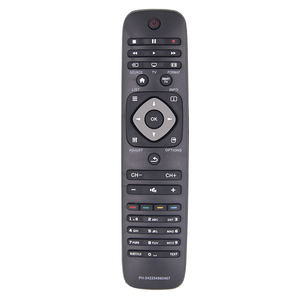
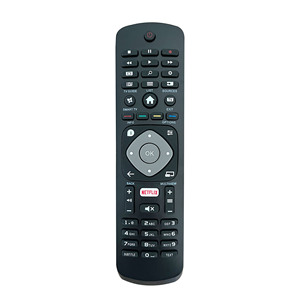

 1/1
1/1







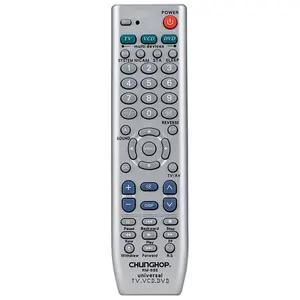

 1/19
1/19


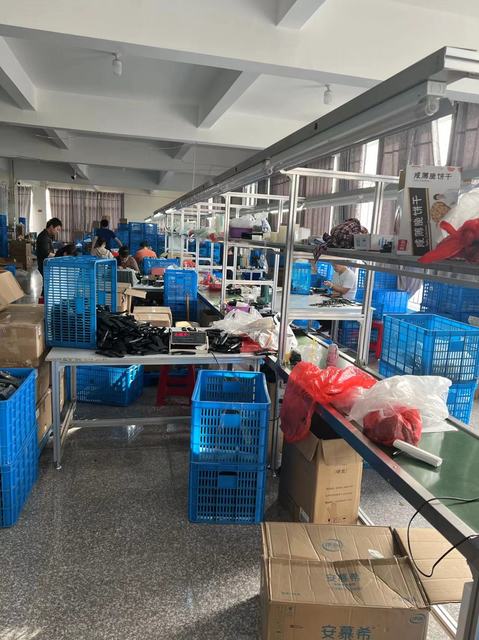 1/3
1/3

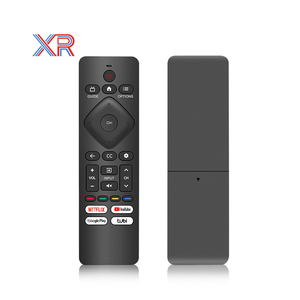


 1/3
1/3


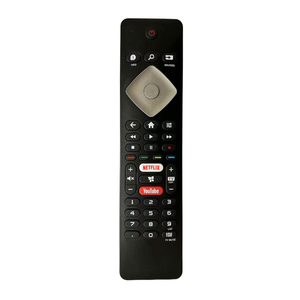
 1/3
1/3
About philips remote program codes
Where to Find Philips Remote Program Codes Suppliers?
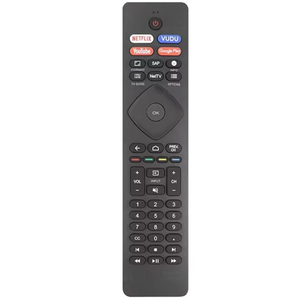
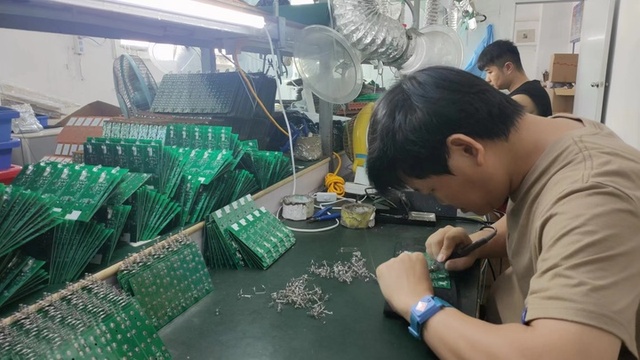
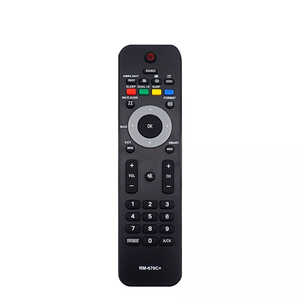
The global supply of universal remote control programming data, including codes for Philips devices, is primarily managed through digital databases and electronics component distributors rather than traditional manufacturing hubs. While physical remotes are produced in industrial clusters across Guangdong and Jiangsu provinces in China—regions accounting for over 70% of consumer electronics OEM output—the associated code libraries are typically developed and maintained by firmware developers and embedded software providers. These digital assets are integrated into universal remotes during production or made available via online repositories.
Suppliers offering programmable remotes with preloaded Philips codes leverage standardized infrared signal databases containing over 300,000 device configurations. These databases are updated quarterly and validated against current Philips TV, audio, and streaming hardware models. Integration occurs at the firmware level, enabling plug-and-play functionality without end-user input. Buyers sourcing private-label universal remotes gain access to scalable solutions where code accuracy exceeds 98% for post-2010 Philips products, supported by automated testing protocols during final assembly.
How to Choose Philips Remote Program Codes Suppliers?
Procurement decisions should be guided by technical validation and compatibility assurance:
Firmware & Database Verification
Confirm suppliers utilize licensed or independently verified code libraries such as those from One For All, RTI, or open-source aggregators like IRDB. Demand documentation showing version control logs and update frequency (minimum quarterly). Validate coverage for target Philips product lines—including Smart TVs, DVD/Blu-ray players, and soundbars—across regional variants (EU, NA, APAC).
Production Capability Audits
Assess infrastructure for electronic assembly and firmware flashing:
- Minimum 2,000m² cleanroom-compliant facility for PCB and IR module integration
- In-house firmware engineering team capable of custom HEX file generation
- Automated code verification systems using IR signal analyzers
Cross-reference database completeness with actual device testing results; request sample units programmed for five specific Philips models before mass production.
Transaction Safeguards
Require source code escrow or firmware backups for customized remote configurations. Evaluate supplier reliability through documented export history to regulated markets (e.g., EU, USA), confirming compliance with electromagnetic compatibility (EMC) and RoHS directives. Pre-shipment inspections should include IR signal accuracy tests using oscilloscopes or dedicated remote testers to ensure command execution integrity.
What Are the Best Philips Remote Program Codes Suppliers?
| Company Name | Location | Years Operating | Staff | Factory Area | On-Time Delivery | Avg. Response | Ratings | Reorder Rate |
|---|
Performance Analysis
Due to absence of submitted supplier data, performance benchmarking cannot be conducted. In practice, leading suppliers differentiate through firmware flexibility, rapid reprogramming capabilities, and comprehensive Philips model coverage. Top-tier manufacturers maintain dual-code fallback systems (primary and secondary codes per function) to increase first-time setup success rates. Prioritize partners with documented experience in delivering FCC-certified remote controls and those offering cloud-based code update support for long-term product maintenance.
FAQs
How to verify Philips remote program code accuracy?
Request a test report demonstrating successful pairing with at least ten active Philips SKUs across different categories (e.g., 55PUS7506, HTL5140, SBH5100). Use IR signal analysis tools to confirm correct protocol encoding (RC5, RC6, NEC). Cross-check against public databases to assess comprehensiveness and version currency.
What is the average lead time for programmable remote orders?
Standard lead times range from 25–35 days, including 7–10 days for firmware loading and functional testing. Rush production with expedited shipping can reduce total cycle time to 18 days, subject to MOQ adjustments. Custom UI layouts or multi-brand programming extend timelines by 5–7 additional days.
Can suppliers provide remote codes without hardware sales?
Some firmware specialists offer standalone code licensing for integration into third-party control systems. Licensing models vary—per-unit royalties, one-time database access, or SaaS-based API connectivity. Ensure proper decryption rights and redistribution permissions are contractually defined.
What is the typical MOQ for universal remotes with Philips codes?
Standard MOQ starts at 500 units for off-the-shelf designs. For fully customized remotes with branded casing and dedicated firmware, minimums begin at 1,000 units. Some suppliers offer tiered pricing starting at 100 units with surcharged programming services.
Do manufacturers support firmware updates post-delivery?
Limited support exists; most suppliers deliver fixed firmware images. Advanced partners offer field-upgradable models via USB or serial interface, enabling future code additions. Confirm update mechanism and long-term availability of service files before procurement.





