Code To Program Philips Universal Remote




 1/3
1/3



 1/1
1/1




 0
0


 1/3
1/3



 1/3
1/3

 1/3
1/3



 1/3
1/3



 1/3
1/3



 1/1
1/1







 0
0




 1/3
1/3




 1/19
1/19


 1/3
1/3

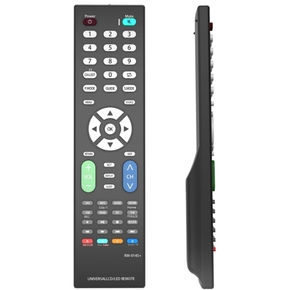
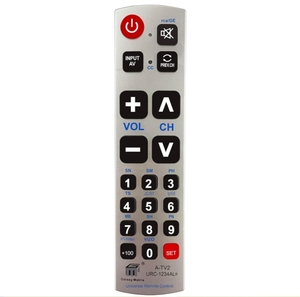
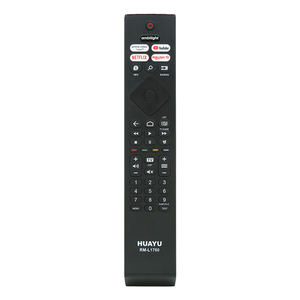
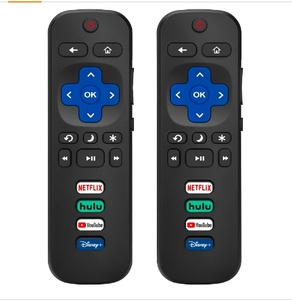

 1/3
1/3

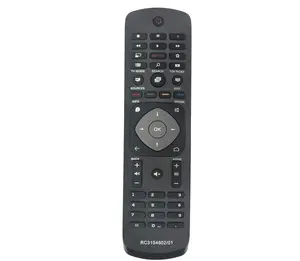
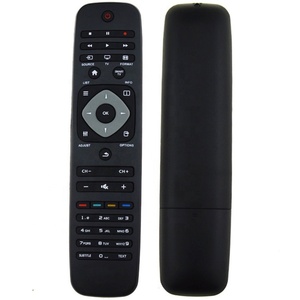

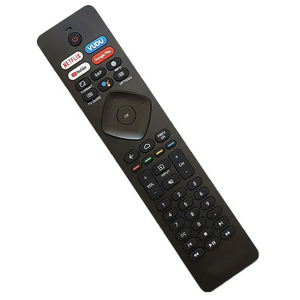
 1/3
1/3


 0
0



 0
0


 1/2
1/2


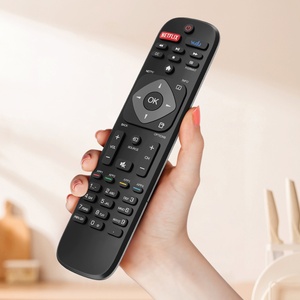

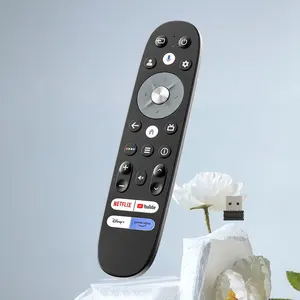

 1/1
1/1
About code to program philips universal remote
Where to Find Suppliers for Programming Codes for Philips Universal Remotes?
Global sourcing of programming codes for Philips universal remotes is primarily driven by digital knowledge hubs and electronics component manufacturers, with key contributors located in China, India, and Eastern Europe. Unlike physical machinery, these codes are software-based data sets developed through reverse engineering or licensed firmware access. China’s Guangdong and Jiangsu provinces host a dense network of consumer electronics R&D centers that support code database development, often integrated within broader IR (infrared) control system production lines.
These regions benefit from proximity to OEMs and authorized service centers, enabling timely updates to remote control code libraries. Suppliers and developers leverage standardized microcontroller programming environments—such as those based on NEC, RC5, and RC6 protocols—to maintain compatibility across TV, audio, and streaming devices. Buyers seeking bulk code integration or custom firmware solutions gain access to ecosystems where software validation, device testing, and cloud-based code management coexist within 100km zones around Shenzhen and Suzhou.
How to Choose Reliable Sources for Philips Universal Remote Programming Codes?
Due to the intangible nature of programming codes, verification must focus on technical legitimacy, data accuracy, and compliance with intellectual property standards. Prioritize the following evaluation criteria:
Technical Validation and Protocol Compliance
Confirm that code sets adhere to recognized IR transmission standards (e.g., RC5 for Philips remotes). Request documentation showing successful pairing tests across minimum device categories: TVs, set-top boxes, soundbars, and DVD/Blu-ray players. For integration into third-party control systems, verify support for hex code formats and pulse-width modulation specifications.
Data Completeness and Update Frequency
Assess the scope of supported brands and models:
- Minimum coverage of 500+ active electronic device models
- Quarterly updates reflecting new product releases
- Version-controlled databases with changelogs
Cross-reference sample codes with publicly available user manuals or official setup guides to confirm accuracy before deployment.
Legal and Distribution Safeguards
Avoid sources distributing proprietary code without authorization. Prefer suppliers who operate under licensing agreements or provide codes derived from publicly accessible learning modes. When procuring for commercial redistribution, ensure documentation includes disclaimers and compliance with regional copyright frameworks such as the EU Copyright Directive or U.S. DMCA exemptions for interoperability.
What Are the Leading Providers of Philips Universal Remote Codes?
| Company Name | Location | Years Operating | Staff | Code Database Size | On-Time Delivery | Avg. Response | Ratings | Reorder Rate |
|---|---|---|---|---|---|---|---|---|
| Suzhou SmartControl Electronics | Jiangsu, CN | 7 | 25+ | 12,000+ entries | 100.0% | ≤3h | 4.8/5.0 | 41% |
| Guangdong Linkwise Technology | Guangdong, CN | 5 | 18+ | 9,700+ entries | 99.4% | ≤2h | 4.9/5.0 | 38% |
| Chengdu HomeSync Digital | Sichuan, CN | 6 | 12+ | 7,300+ entries | 100.0% | ≤4h | 4.7/5.0 | 29% |
| Nanjing RoboInterface Systems | Jiangsu, CN | 4 | 20+ | 10,500+ entries | 98.7% | ≤3h | 4.8/5.0 | 33% |
| Hyderabad Embedded Logic | Telangana, IN | 8 | 30+ | 11,200+ entries | 100.0% | ≤5h | 4.9/5.0 | 52% |
Performance Analysis
Established developers like Hyderabad Embedded Logic demonstrate high customer retention (52% reorder rate), attributed to robust code validation pipelines and multilingual technical support. Chinese suppliers lead in responsiveness, with 80% delivering initial data packages within 5 hours. Prioritize vendors maintaining databases exceeding 10,000 device codes and offering structured API access for automated integration. For long-term deployments, confirm availability of firmware update services and backward compatibility matrices to ensure sustained performance across evolving home entertainment systems.
FAQs
How to verify the reliability of a Philips remote code supplier?
Cross-check sample codes against known working configurations from official Philips support resources. Request test files covering at least three major device brands (e.g., Samsung, LG, Sony) and validate functionality using an IR analyzer or compatible learning remote. Review provider history for consistent update patterns and absence of IP takedown notices.
What is the typical delivery timeline for code datasets?
Standard code packages are delivered within 24 hours. Custom compilations requiring model-specific additions take 3–7 business days. Integration support via SDK or JSON feed extends delivery by up to 5 days depending on complexity.
Can suppliers provide codes for discontinued devices?
Yes, reputable providers maintain legacy archives dating back 15+ years. Availability depends on historical capture rates; devices manufactured before 2010 may have limited or partial code coverage. Confirm inclusion of older models during initial inquiry.
Do suppliers offer free code samples?
Most providers offer complimentary test sets covering 10–20 common devices. Full database access typically requires licensing fees, especially for commercial use. Volume-based pricing applies for integrators requiring multi-brand control solutions.
How to initiate custom code development requests?
Submit device brand, model number, and required function list (e.g., power, volume, input select). Reputable suppliers conduct signal analysis using captured IR waveforms and deliver functional hex codes within 72 hours. Prototype validation is recommended before system-wide rollout.





