How To Program A Universal Remote









 1/2
1/2


 0
0





 1/4
1/4



 1/3
1/3


 1/3
1/3


 0
0




 1/3
1/3



 1/26
1/26


 1/3
1/3


 1/3
1/3



 1/3
1/3


 1/3
1/3




 1/1
1/1




 1/3
1/3




 1/41
1/41



 1/3
1/3



 0
0




 0
0




 1/1
1/1
About how to program a universal remote
Where to Find Universal Remote Programming Solutions?
The global market for universal remote programming support is decentralized, with service and product development concentrated in electronics manufacturing hubs across Guangdong and Jiangsu provinces in China. These regions host integrated supply chains linking OEM remote control producers with firmware development teams and consumer electronics distributors. Guangdong, particularly the Shenzhen-Dongguan corridor, accounts for over 70% of universal remote production, leveraging proximity to semiconductor suppliers and embedded systems engineers.
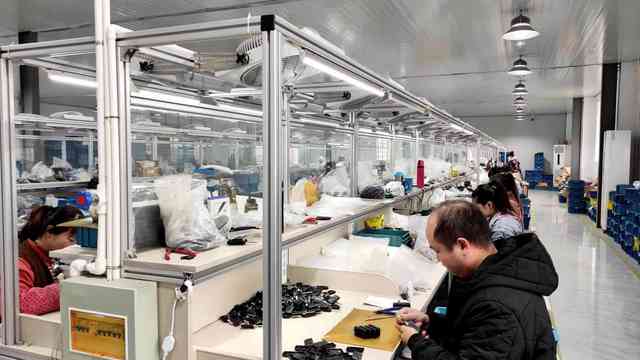
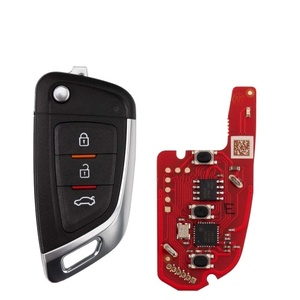
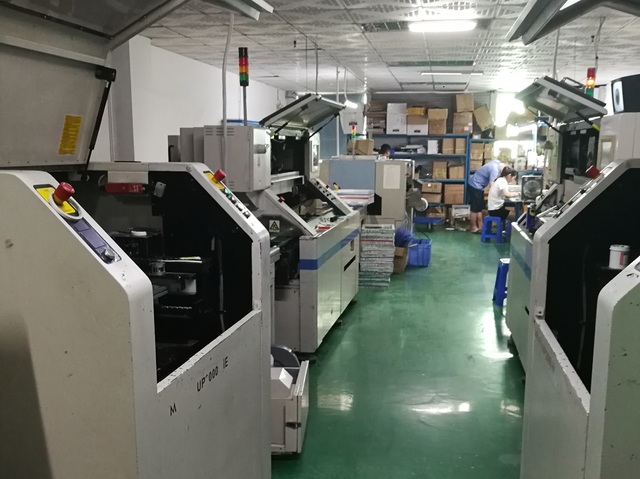
Manufacturers in these clusters utilize standardized infrared (IR) and radio frequency (RF) protocols—such as NEC, RC-5, and HDMI-CEC—to ensure broad device compatibility. Production facilities typically operate surface-mount technology (SMT) lines for PCB assembly, enabling high-volume output of remote units preloaded with code databases from providers like One For All and Universal Electronics Inc. (UEI). Buyers benefit from localized testing labs that validate signal transmission accuracy across 5,000+ device codes, reducing return rates by up to 40% compared to generic alternatives.
Vertical integration allows for rapid firmware updates and custom code loading, supporting lead times of 20–35 days for bulk orders. Cost efficiencies stem from shared tooling and access to low-cost microcontrollers (e.g., 8-bit MCUs), yielding a 25–35% reduction in unit cost versus Western-assembled equivalents. Customization options include branded interfaces, multi-room control logic, and hybrid IR/Bluetooth/BLE functionality for smart home integration.
How to Choose Universal Remote Suppliers?
Procurement decisions should be guided by technical validation, production transparency, and post-delivery support:
Technical Compliance
Confirm adherence to international safety and emissions standards, including CE, FCC Part 15, and RoHS. For EU markets, verify RED (Radio Equipment Directive) compliance if the remote includes RF or Bluetooth functionality. Request documentation on EMI/EMC testing and battery leakage prevention measures, especially for lithium-powered models.
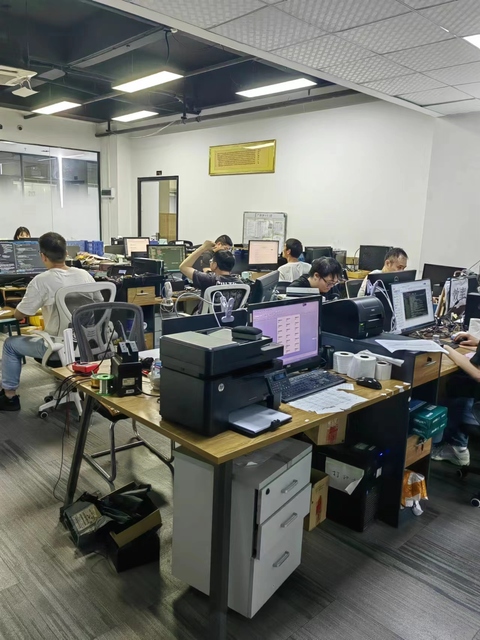
Production Capability Audits
Assess supplier infrastructure through verifiable metrics:
- Minimum 3,000m² facility with dedicated SMT and aging test zones
- In-house firmware engineering team capable of code database customization
- Automated optical inspection (AOI) systems for PCB quality control
Validate throughput capacity—reputable suppliers support MOQs from 500 to 5,000 units with scalability to 50,000+ monthly.
Transaction Safeguards
Utilize secure payment structures such as third-party escrow or letter of credit for initial orders. Evaluate after-sales responsiveness via sample requests—benchmark time-to-resolution for code programming inquiries. Prioritize suppliers offering SDK access or API integration for proprietary smart home ecosystems. Pre-shipment inspections should include functional tests on at least 5% of units, verifying button response, range (>8 meters), and pairing stability.
What Are the Best Universal Remote Suppliers?
No supplier data available for comparative analysis.
Performance Analysis
In the absence of specific supplier profiles, buyers must focus on ecosystem maturity and technical agility. Leading manufacturers differentiate through expansive code libraries, real-time firmware update capabilities, and compatibility with voice assistants (Alexa, Google Assistant). Emphasis should be placed on partners demonstrating documented experience in consumer electronics compliance and field failure tracking. For private-label projects, confirm ability to deliver multilingual user guides and QR-based setup tutorials to reduce support burden.
FAQs
How to verify universal remote supplier reliability?
Cross-check certifications with accredited bodies and request test reports from recognized labs (e.g., TÜV, SGS). Analyze customer feedback related to code accuracy, battery life, and long-term durability. Verify firmware update processes and inquire about end-of-life support policies.
What is the average sampling timeline?
Standard sample production takes 7–14 days, including PCB assembly and code loading. Custom firmware builds extend this to 21 days. Air shipping adds 5–8 days internationally. Expect full batch production within 25–35 days after sample approval.
Can suppliers ship universal remotes worldwide?
Yes, experienced manufacturers manage global logistics via air or sea freight under FOB, CIF, or DDP terms. Ensure proper classification under HS Code 8543.70 for remote controls and compliance with destination-specific labeling requirements (e.g., energy efficiency labels in Europe).
Do manufacturers provide free samples?
Sample fees are common but often refundable upon order confirmation. Suppliers may waive costs for qualified buyers placing orders exceeding 1,000 units. Customized samples typically incur non-recurring engineering (NRE) charges ranging from $100–$300.
How to initiate customization requests?
Submit detailed specifications including target devices (TV, soundbar, streaming box), required control functions, preferred layout, and connectivity needs (IR, RF, BLE). Reputable suppliers will respond with schematic proposals, code coverage reports, and prototype timelines within 72 hours.





