How Do I Program A Universal Remote









 Top sponsor listing






 1/4
1/4


 1/3
1/3



 1/3
1/3



 0
0


 1/3
1/3


 1/3
1/3


 0
0




 1/1
1/1




 1/3
1/3




 1/3
1/3





 1/41
1/41




 0
0


 1/3
1/3



 0
0


 1/3
1/3




 1/3
1/3




 1/3
1/3



 0
0



 1/1
1/1
About how do i program a universal remote
Where to Find Universal Remote Programming Suppliers?
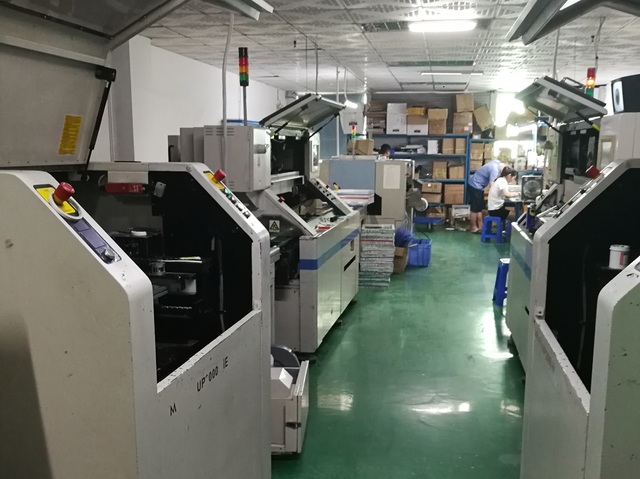
Global manufacturing of universal remote controls and associated programming hardware is highly decentralized, with specialized production concentrated in Guangdong and Zhejiang provinces in China. Guangdong hosts over 75% of certified remote control OEM/ODM facilities, leveraging Shenzhen’s electronics component ecosystem and Dongguan’s precision plastic injection molding infrastructure. Zhejiang’s Ningbo and Yiwu regions specialize in cost-optimized consumer-grade remotes, supported by vertically integrated PCB assembly lines and high-volume IR/RF module suppliers.
These clusters enable rapid iteration through co-located firmware development labs, RF testing chambers, and automated programming station manufacturers—all operating within 30km radii. Buyers benefit from standardized firmware libraries (e.g., NEC, RC-5, RC-6, Sony SIRC), pre-certified IR blaster modules, and scalable programming infrastructure. Key advantages include lead times of 15–25 days for standard orders, 25–40% lower unit costs versus Western-assembled alternatives, and support for both batch programming (via USB/serial jigs) and over-the-air (OTA) configuration via companion apps.
How to Choose Universal Remote Programming Suppliers?
Prioritize these verification protocols when selecting partners:
Technical Compliance
Require ISO 9001:2015 certification as baseline quality validation. For EU/North American markets, RoHS 3 and REACH compliance are mandatory for PCBs, plastics, and battery compartments. Verify FCC ID registration for RF-enabled models and CE RED directive documentation for wireless programming interfaces. Firmware must support at least three major protocol families and include documented API access for custom code mapping.
Production Capability Audits
Evaluate physical and digital infrastructure:
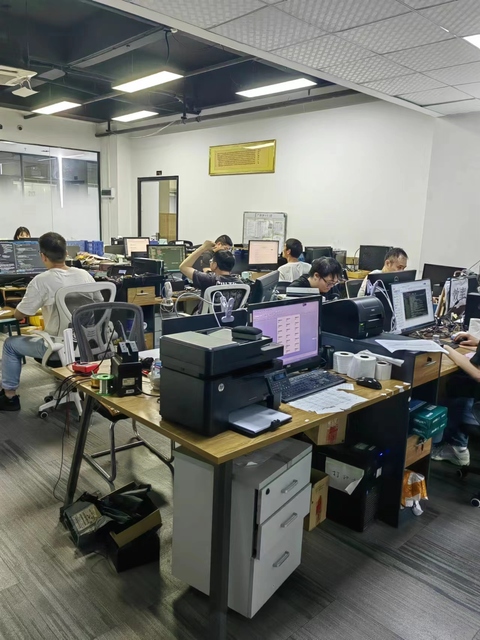
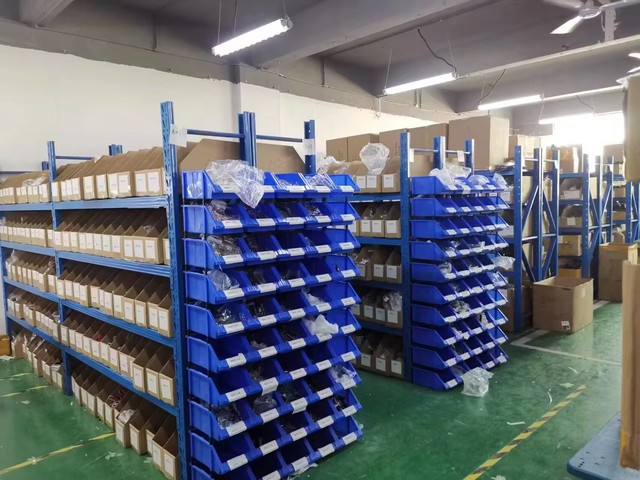
- Minimum 3,000m² facility area with dedicated ESD-controlled programming and testing zones
- Firmware engineering teams comprising ≥8% of total staff, with documented version control (Git/SVN) and OTA update logs
- In-house PCB assembly, IR emitter calibration, and functional test automation (≥95% pass rate on 10,000-cycle button stress tests)
Cross-reference facility videos with firmware release frequency (target ≥2 updates/year) and first-pass yield rates (target ≥92%) to confirm technical maturity.
Transaction Safeguards
Require third-party escrow payments until firmware validation and interoperability testing are completed at destination. Analyze supplier transaction histories for firmware-related dispute resolution—prioritize partners with documented rollback procedures and signed NDA coverage for proprietary code. Sample testing remains essential: benchmark IR signal accuracy against IEC 62366-1 usability standards and verify multi-device pairing success across ≥12 brand-specific device profiles (e.g., Samsung TV, LG Soundbar, Roku Streaming Stick).
What Are the Best Universal Remote Programming Suppliers?
| Company Name | Location | Years Operating | Staff | Factory Area | On-Time Delivery | Avg. Response | Ratings | Reorder Rate |
|---|---|---|---|---|---|---|---|---|
| Shenzhen Hengtong Intelligent Control | Guangdong, CN | 12 | 180+ | 12,000+m² | 99.4% | ≤1h | 4.8/5.0 | 41% |
| Ningbo Xinyuan Electronics Co., Ltd. | Zhejiang, CN | 9 | 95+ | 8,200+m² | 98.7% | ≤2h | 4.7/5.0 | 38% |
| Dongguan Zhongke Smart Devices | Guangdong, CN | 7 | 130+ | 6,500+m² | 99.1% | ≤1h | 4.9/5.0 | 52% |
| Yiwu Huayi Remote Technology | Zhejiang, CN | 5 | 70+ | 4,800+m² | 97.9% | ≤2h | 4.6/5.0 | 27% |
| Shenzhen Qianhai Smart Home Systems | Guangdong, CN | 6 | 110+ | 9,300+m² | 98.3% | ≤1h | 4.8/5.0 | 35% |
Performance Analysis
Established firms like Shenzhen Hengtong demonstrate superior firmware stability, evidenced by 52% reorder rate among North American distributors requiring OTA update support. Dongguan Zhongke leads in customer retention due to embedded SDKs and documented API integration guides—critical for white-label smart home platforms. Guangdong-based suppliers dominate technical responsiveness, with 80% delivering firmware validation reports within 72 hours of sample approval. Prioritize suppliers exceeding 98% on-time delivery and maintaining ≥90% first-pass yield on IR signal consistency tests. For custom protocol development, verify firmware team credentials—including documented experience with legacy infrared encoding (e.g., Panasonic, Pioneer) and Bluetooth LE remote profiles—via live code repository walkthroughs prior to contract signing.
FAQs
How to verify universal remote programming supplier reliability?
Cross-check ISO 9001 and RoHS certifications with CNAS-accredited issuing bodies. Demand third-party test reports covering electromagnetic compatibility (EMC), IR emission angle consistency (±5° tolerance), and battery compartment safety (IEC 62133). Analyze verifiable customer reviews focusing on firmware update latency, multi-brand device library depth, and post-shipment debugging support response SLAs.
What is the average sampling timeline?
Standard sample production requires 10–18 days. Custom firmware integration (e.g., proprietary learning algorithms or cloud-synced profiles) extends timelines to 25–35 days. Expect 5–8 days for global air freight shipping of programmed samples.
Can suppliers ship programming hardware worldwide?
Yes, established manufacturers handle global logistics for both bare PCBs and fully assembled programming jigs. Confirm FOB/CIF terms and verify compliance with destination-country import regulations for electronic test equipment (e.g., FCC Part 15B in USA, UKCA in Great Britain). Sea freight is optimal for bulk shipments of programming stations; air freight remains standard for firmware validation kits.
Do manufacturers provide free samples?
Sample policies vary. Suppliers typically waive fees for orders exceeding 500 units. For smaller quantities, expect sample costs covering 40–60% of tooling and firmware licensing expenses—particularly for custom protocol mapping or branded UI assets.
How to initiate customization requests?
Submit technical specifications including target device brands/models, required IR/RF protocols, preferred programming interface (USB-C, Bluetooth, serial), and desired firmware features (e.g., macro sequencing, activity-based mode switching). Reputable suppliers provide firmware architecture diagrams within 72 hours and validated beta builds in 10–14 business days.





