





Qr Code Scanner








 Top sponsor listing








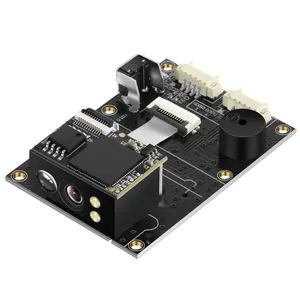



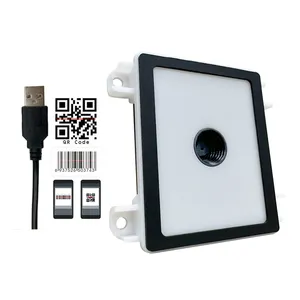
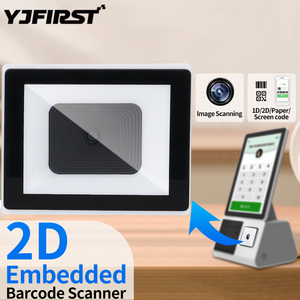



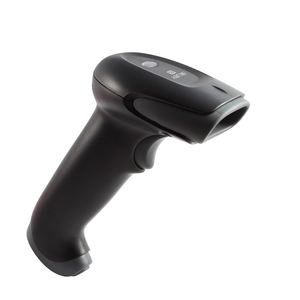


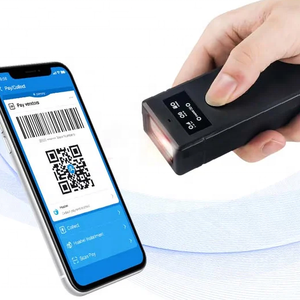
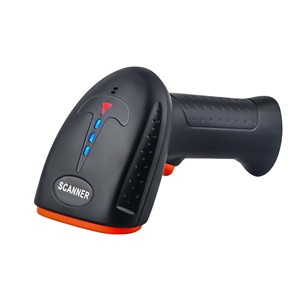
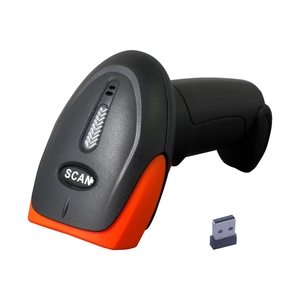





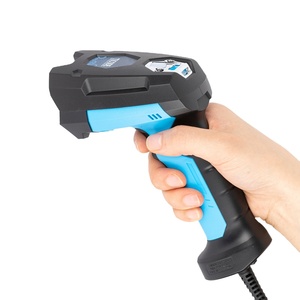


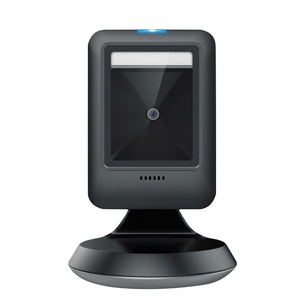







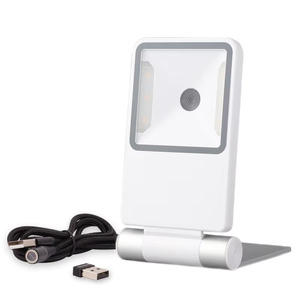


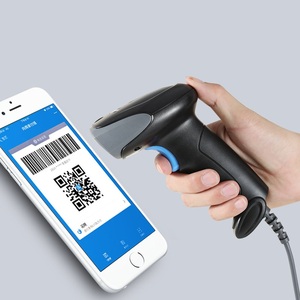





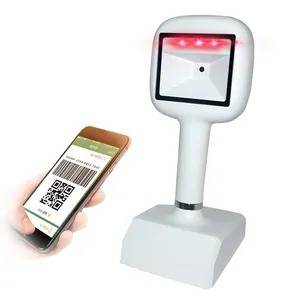


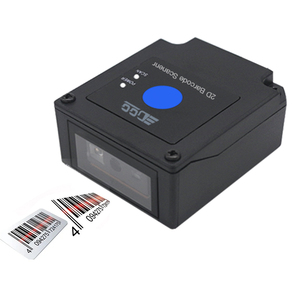
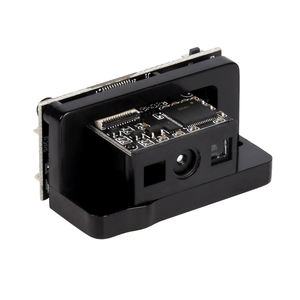


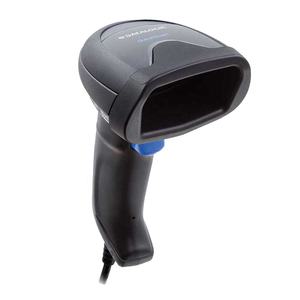




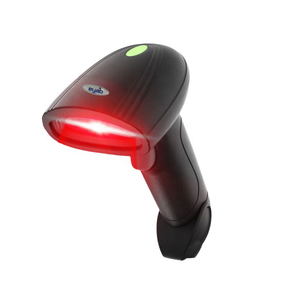

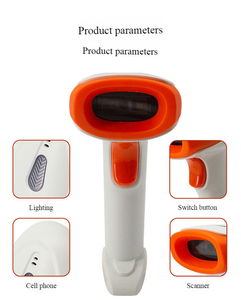


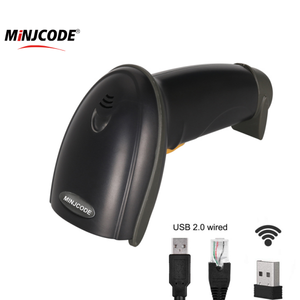


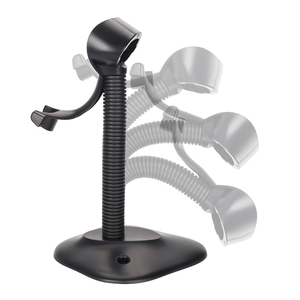







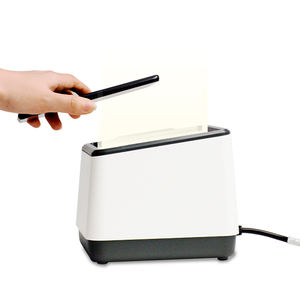



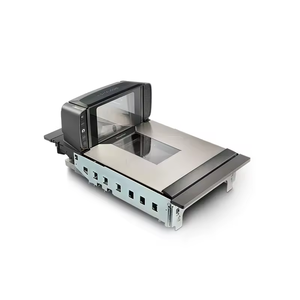
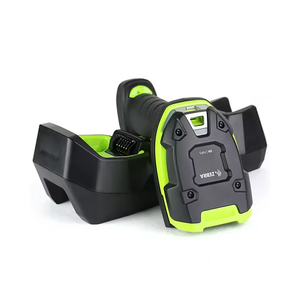
About qr code scanner
Where to Find QR Code Scanner Suppliers?
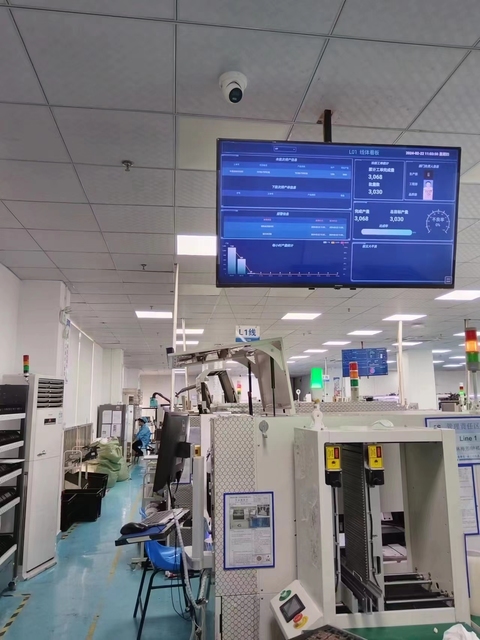
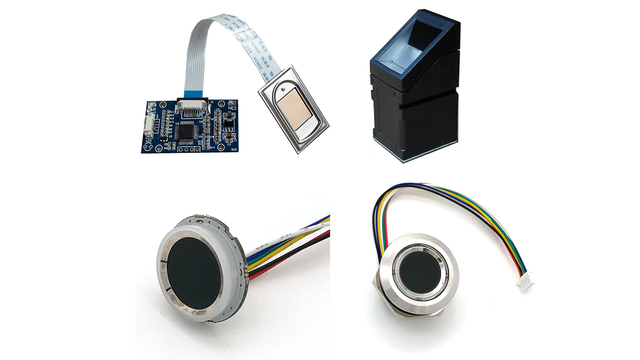
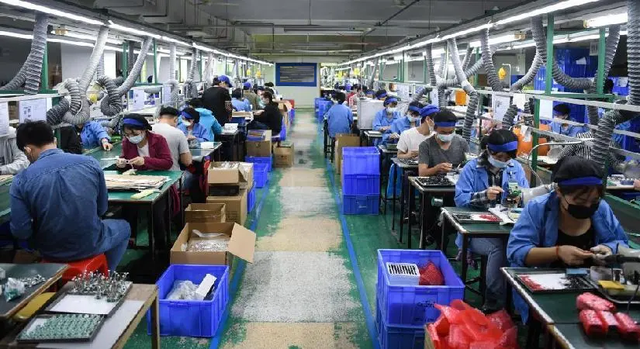
China remains the global epicenter for QR code scanner manufacturing, with key production hubs concentrated in Shenzhen, Hangzhou, and Guangzhou. These regions host vertically integrated supply chains encompassing optical sensor fabrication, embedded firmware development, and final assembly. Shenzhen leads in high-volume consumer electronics output, leveraging proximity to component suppliers and export ports, enabling faster turnaround times. Guangzhou specializes in distribution of both original and compatible scanning hardware, while Hangzhou has emerged as a center for R&D-driven access control integration, combining biometric systems with 1D/2D scanning technology.
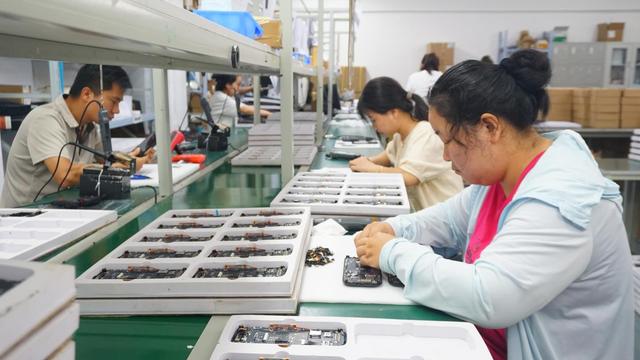
The industrial clusters support scalable production through established ecosystems where PCB sourcing, injection molding, and quality testing occur within localized networks. This integration reduces lead times to 15–25 days for standard orders and allows cost advantages of 20–35% compared to Western or Southeast Asian manufacturers. Buyers benefit from flexible MOQs, widespread USB, UART, and wireless interface compatibility, and access to ruggedized or compact form factors tailored for retail, logistics, and healthcare applications.
How to Choose QR Code Scanner Suppliers?
Effective supplier selection requires systematic evaluation across technical, operational, and transactional dimensions:
Technical Capabilities
Confirm product specifications align with use-case requirements: 1D/2D decoding accuracy, scan frequency (≥300 scans/sec), working distance (up to 30 cm for handheld models), and interface types (USB HID, RS232, Bluetooth). Verify compatibility with common barcode standards including QR, DataMatrix, Code 128, and UPC. For industrial environments, assess IP ratings and drop-test durability (e.g., 1.5m concrete impact resistance).
Production & Quality Assurance
Prioritize suppliers demonstrating structured quality management:
- On-time delivery rate exceeding 95%
- Response time under 5 hours for inquiry resolution
- Evidence of functional testing per batch (e.g., illumination uniformity, decode success rate)
- Compliance with RoHS and CE directives for electromagnetic compatibility and hazardous substance restrictions
Cross-reference online revenue indicators and reorder rates as proxies for market acceptance—suppliers with reorder rates above 25% often maintain consistent quality and post-sales support.
Customization and Transaction Security
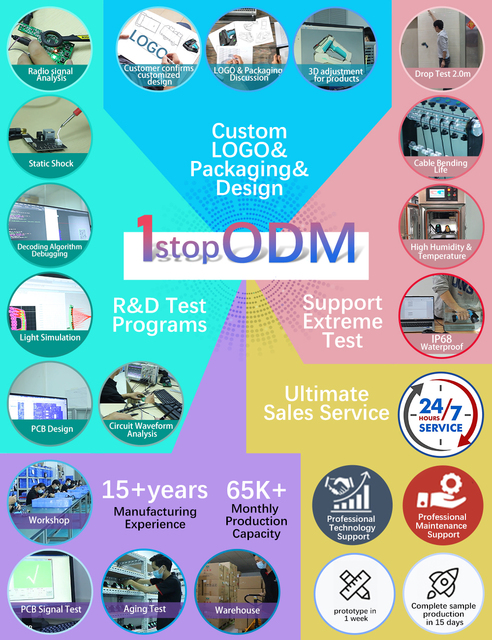
Evaluate capacity for OEM/ODM services such as logo printing, packaging design, firmware customization, and color/material modifications. Require third-party payment protection mechanisms for initial transactions. Conduct sample testing to validate performance against stated specifications before scaling procurement. Confirm return policies and warranty coverage (typically 12 months) to mitigate field failure risks.
What Are the Best QR Code Scanner Suppliers?
| Company Name | Main Products | On-Time Delivery | Avg. Response | Reorder Rate | Online Revenue | Key Features |
|---|---|---|---|---|---|---|
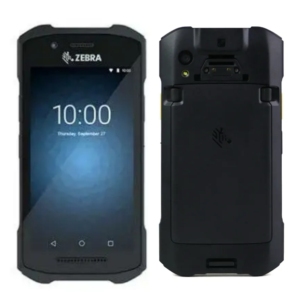
| Guangzhou Jiewen Information Technology Co., Ltd. | Scanners, PDA, Access Control, Original Zebra Models | 98% | ≤2h | 29% | US $370,000+ | Offers original and ruggedized scanners; supports full customization (logo, packaging, materials) |
| Hangzhou Grow Technology Co., Ltd. | Biometric Access Control, Scanners, Fingerprint Devices | 100% | ≤5h | <15% | US $50,000+ | Specializes in integrated security systems; competitive pricing from $9.80/unit |
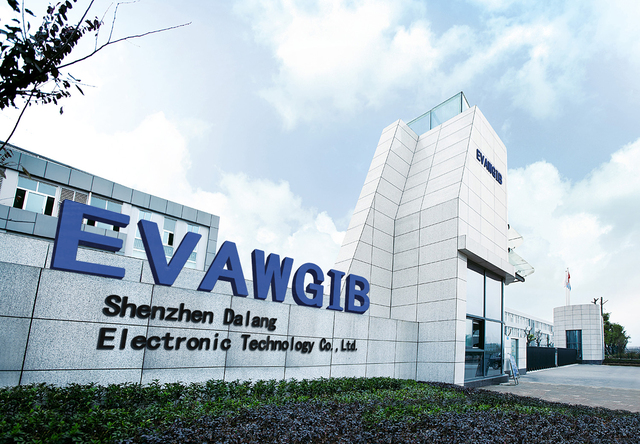
| Shenzhen Dalang Electronic Technology Co., Ltd. | Scanners, Audio Equipment, Video Converters | 100% | ≤3h | <15% | US $160,000+ | Broad product range; offers omnidirectional and miniaturized 2D scanners |
| Shenzhen Woshuo Electronics Co., Ltd. | Cash Register, POS, Thermal Printers, Scanners | 90% | ≤5h | 18% | US $90,000+ | Focused on retail POS integration; desktop and wired models available |
| Shenzhen Yingguan Intelligent Technology Co., Ltd. | Scanners, PDAs, Card Readers, Access Control | 93% | ≤3h | <15% | US $4,000+ | Diverse scanner portfolio; limited transaction volume suggests niche operations |
Performance Analysis
Guangzhou Jiewen stands out with the highest online revenue and a 29% reorder rate, indicating strong customer retention and market trust. Its customization capabilities make it suitable for branded deployments. Hangzhou Grow and Shenzhen Dalang achieve perfect on-time delivery records, with Dalang offering omnidirectional scanning solutions at competitive price points. Shenzhen Woshuo integrates scanners into broader POS ecosystems, ideal for retail infrastructure projects. While Yingguan shows technical diversity, its lower sales volume may indicate limited scalability. Buyers seeking high-volume reliability should prioritize suppliers with ≥98% on-time delivery and proven after-sales responsiveness.
FAQs
How to verify QR code scanner supplier reliability?
Validate compliance with CE and RoHS standards through documentation review. Assess response consistency and technical depth in communications. Analyze transaction metrics such as on-time delivery, reorder rate, and dispute history. Request product certifications and conduct independent sample testing for decode accuracy and build quality.
What is the typical MOQ and lead time?
Standard MOQs range from 1–2 pieces for sample validation, scaling to 50+ units for bulk orders. Lead times average 10–20 days post-payment, depending on order complexity and customization level. Express shipping options reduce delivery to 3–7 days internationally.
Can suppliers provide customized firmware or branding?
Yes, many suppliers offer OEM services including custom boot logos, packaging labels, and firmware adjustments for specific decode behaviors or interface protocols. Confirm these options during initial inquiry and request proof of prior implementations.
Do QR code scanners work with mobile devices and POS software?
Most models emulate USB keyboard input (HID mode), ensuring compatibility with Android, iOS, Windows, and Linux systems without driver installation. Verify compatibility with target POS platforms (e.g., Square, Shopify, Oracle MICROS) through pre-deployment testing.
What are the common warranty and return policies?
Standard warranties cover 12 months for defects in materials and workmanship. Return processes typically require advance authorization and fault verification. Clarify whether repair, replacement, or refund options apply and confirm who bears return shipping costs.





