





Scanner Qr Code









 Top sponsor listing




 1/3
1/3



 1/1
1/1


 1/11
1/11



 1/3
1/3



 1/3
1/3




 1/28
1/28


 1/3
1/3






 0
0



 1/3
1/3





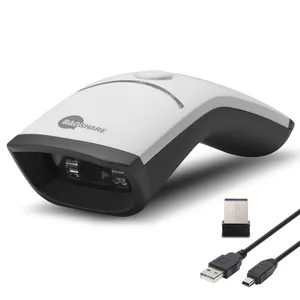
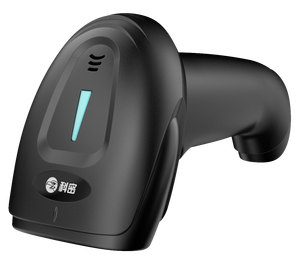
 1/25
1/25

 1/15
1/15


 1/3
1/3


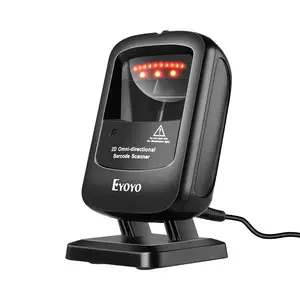
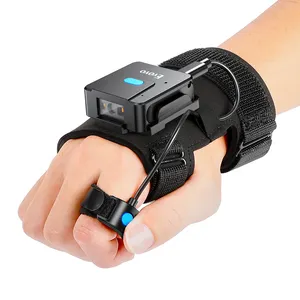


 1/3
1/3




 1/3
1/3





 1/12
1/12


 1/3
1/3




 1/3
1/3
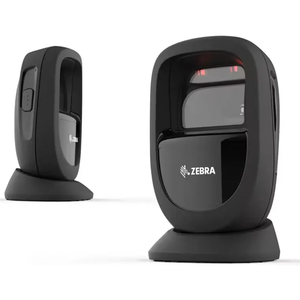
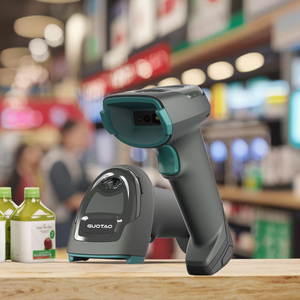
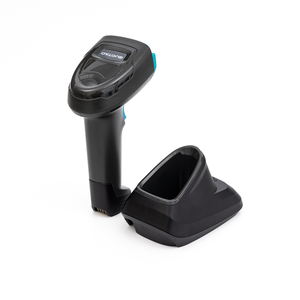
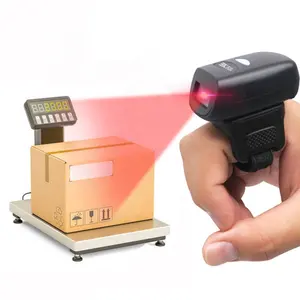
About scanner qr code
Where to Find QR Code Scanner Suppliers?
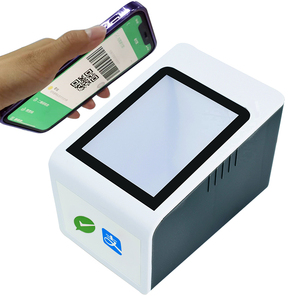
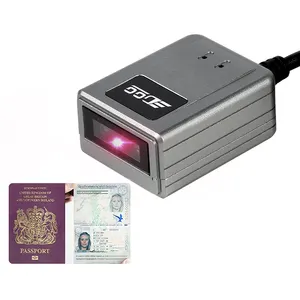
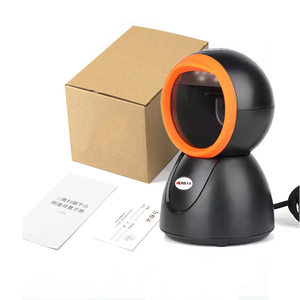
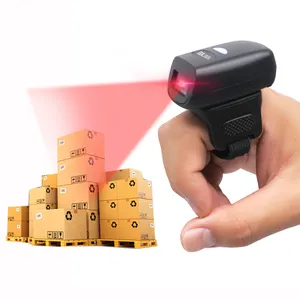
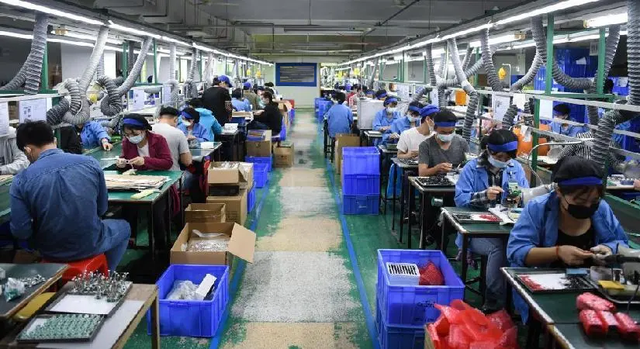
China remains the central hub for QR code scanner manufacturing, with key production clusters concentrated in Shenzhen, Hangzhou, and Guangzhou. These regions host vertically integrated supply chains spanning optical sensor fabrication, embedded software development, and final assembly. Shenzhen leads in R&D-intensive scanning modules and OEM customization, leveraging proximity to semiconductor suppliers and contract manufacturers. Guangzhou and Hangzhou specialize in mid-to-high volume production of handheld, desktop, and embedded 1D/2D scanners, benefiting from mature logistics networks and lower labor costs compared to Western alternatives.
The industrial ecosystem enables rapid prototyping and scalable output, with many suppliers operating automated SMT lines and in-house testing labs. Buyers gain access to streamlined procurement channels where component sourcing, firmware integration, and compliance validation occur within localized zones. Key advantages include lead times averaging 15–30 days for standard orders, MOQs as low as 1–2 pieces for initial sampling, and cost efficiencies driven by economies of scale—unit prices for basic models often range from $6 to $25 depending on configuration and volume.
How to Choose QR Code Scanner Suppliers?
Selecting reliable partners requires systematic evaluation across technical, operational, and transactional dimensions:
Technical & Functional Compliance
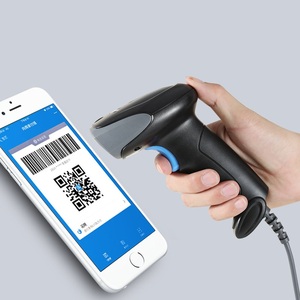
Verify support for required barcode standards (e.g., QR, DataMatrix, Code 128) and interface protocols (USB HID, UART, Bluetooth). For industrial or retail deployments, confirm environmental durability (IP ratings), scan speed (≥300 scans/sec), and compatibility with mobile screens or damaged codes. While formal certifications like CE, FCC, or RoHS are not universally listed, prioritize suppliers who provide test reports or compliance documentation upon request.
Production and Customization Capacity
Assess supplier capability through the following indicators:
- Offerings that include customization options for color, material, logo, packaging, and embedded firmware
- Availability of both off-the-shelf and ODM/OEM development paths
- Evidence of dedicated scanning technology focus within their product portfolio
Cross-reference declared online revenue (e.g., >$100,000/year) and on-time delivery rates (>95%) as proxies for operational stability and order fulfillment reliability.
Transaction Reliability and Support
Prioritize suppliers with response times under 4 hours and reorder rates above 20%, indicating customer satisfaction and service consistency. Confirm post-purchase support capabilities such as firmware updates, spare parts availability, and defect resolution timelines. Where applicable, use secure payment mechanisms and request sample units before committing to bulk orders to validate performance against specifications.
What Are the Best QR Code Scanner Suppliers?
| Company Name | Main Products | Customization Options | Online Revenue | On-Time Delivery | Response Time | Reorder Rate | Verified Type |
|---|---|---|---|---|---|---|---|
| Guangzhou Jiewen Information Technology Co., Ltd. | Barcode Scanners, Zebra-Compatible Devices, PDAs | Color, material, size, logo, packaging, PDA graphic | US $370,000+ | 98% | ≤1h | 30% | Multispecialty Supplier |
| Shenzhen Edoo-Iot Technology Co., Ltd. | Scanners, PDAs, Thermal Printers | Color, material, size, logo, packaging, label | US $90,000+ | 96% | ≤1h | 21% | Brand Holder |
| Hangzhou Grow Technology Co., Ltd. | Biometric Access Control, Scanners, Fingerprint Readers | Not specified | US $50,000+ | 100% | ≤4h | <15% | Unverified |
| Shenzhen Effon Ltd | Scanners, PDAs, Card Readers, Tablet PCs | Not specified | US $110,000+ | 92% | ≤3h | <15% | Unverified |
| Shenzhen Yuanjie Information Technology Co., Ltd. | Scanners, Embedded Mini Readers, OCR Devices | Not specified | US $8,000+ | 100% | ≤1h | <15% | Unverified |
Performance Analysis
Guangzhou Jiewen stands out with the highest reported online revenue and a strong 30% reorder rate, suggesting consistent buyer retention and broad market reach. Shenzhen Edoo-Iot offers robust customization and fast response times, positioning it well for tailored integration projects. Hangzhou Grow and Shenzhen Yuanjie achieve perfect on-time delivery records, though lower reorder rates may indicate niche targeting or limited after-sales engagement. Shenzhen Effon combines diverse product offerings with moderate delivery performance, suitable for buyers seeking multi-device sourcing. Suppliers with response times ≤1 hour represent 60% of the sample, underscoring the competitiveness of real-time communication in this segment.
FAQs
How to verify QR code scanner supplier reliability?
Evaluate on-time delivery history, response speed, and transaction volume as key trust indicators. Request product specifications, firmware details, and sample units to assess build quality and decoding accuracy. For high-volume procurement, verify production capacity through facility videos or third-party audit summaries if available.
What is the typical sampling timeline for QR code scanners?
Standard samples are typically shipped within 3–7 days after order confirmation. Customized units with logo printing or firmware modifications may require 10–15 days. Air freight adds 5–10 days for international delivery.
Do suppliers offer customization for branding and integration?
Yes, leading suppliers like Guangzhou Jiewen and Shenzhen Edoo-Iot explicitly support customization of physical attributes (color, size, material), branding elements (logo, packaging), and functional parameters (scan triggers, output format, PDA interface graphics).
What are common MOQ and pricing structures?
MOQs vary from 1 to 10 pieces, with unit prices ranging from $6.25 for entry-level models to over $100 for wireless or ruggedized variants. Volume discounts are commonly offered beyond 100 units, with incremental savings of 5–15% depending on order scale.
Can QR code scanners be integrated into existing systems?
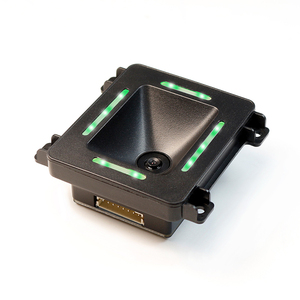
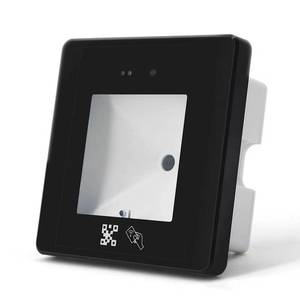
Most devices emulate keyboard input (HID) or support serial communication (UART), enabling plug-and-play integration with POS, inventory, or access control systems. Firmware-level customization is available from select suppliers to match specific data formatting or authentication protocols.





