





Scanear Qr Code








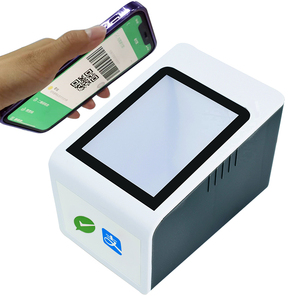


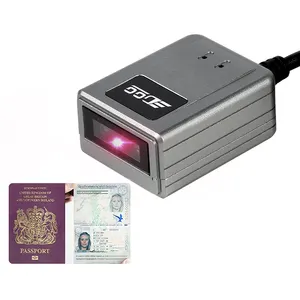
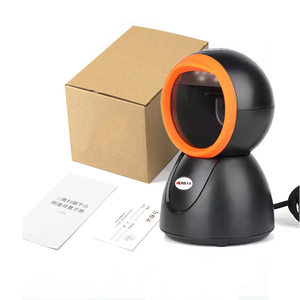
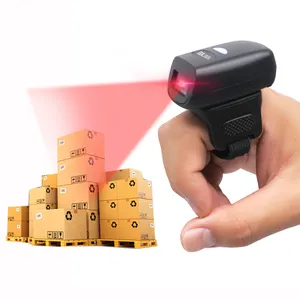 Top sponsor listing







 1/3
1/3



 1/11
1/11






 1/3
1/3


 1/3
1/3

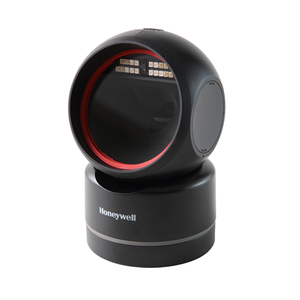
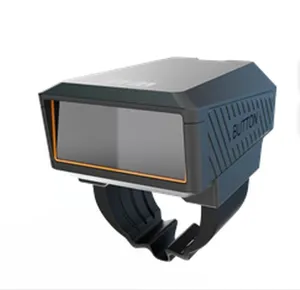

 1/2
1/2




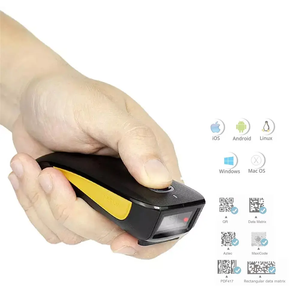


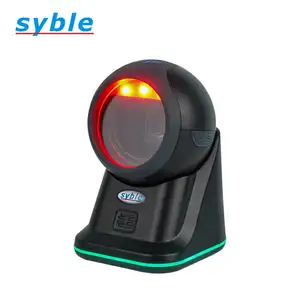




 1/1
1/1



 1/12
1/12


 1/12
1/12








 1/10
1/10


 1/3
1/3



 1/15
1/15






 1/15
1/15

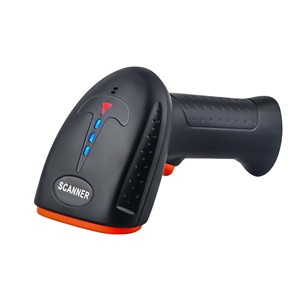
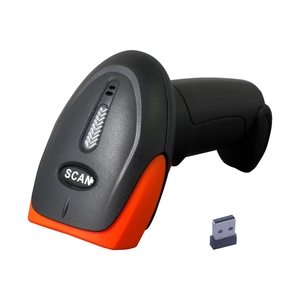
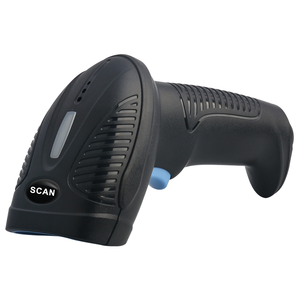


 0
0


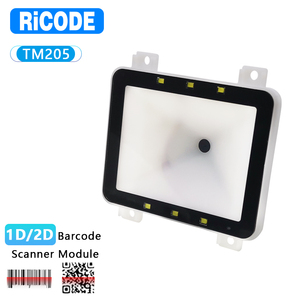

 1/3
1/3
About scanear qr code
Where to Find QR Code Scanner Suppliers?
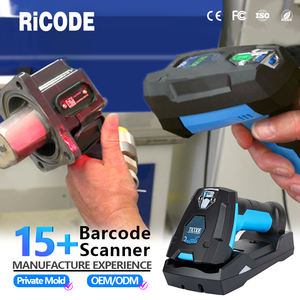
China leads global production of QR code scanning devices, with key manufacturing clusters in Guangdong and Zhejiang provinces. Shenzhen, within Guangdong, serves as the epicenter for electronics manufacturing, hosting over 70% of China’s embedded system and optical sensor suppliers. This region benefits from mature supply chains for CMOS image sensors, microprocessors, and laser diodes, enabling component sourcing within a 30km radius. Zhejiang’s Ningbo and Hangzhou zones specialize in industrial-grade handheld scanners, leveraging proximity to precision plastic molding and metal stamping facilities.
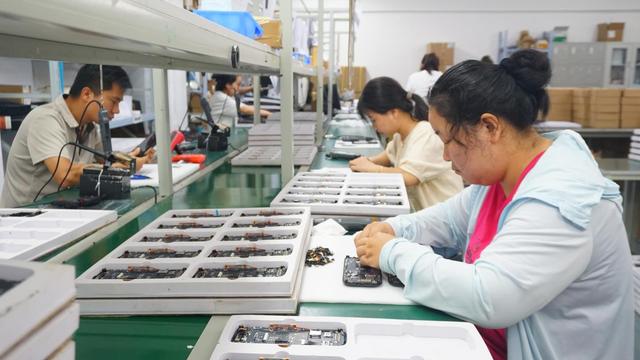
These hubs support rapid prototyping and scalable production through vertically integrated operations—from PCB assembly to firmware integration. Buyers access ecosystems where contract manufacturers, software developers, and logistics providers operate in close coordination. Key advantages include reduced lead times (typically 20–35 days for standard orders), 18–25% lower unit costs due to localized components, and flexibility for OEM/ODM configurations. Monthly output capacity across mid-tier suppliers ranges from 10,000 to 50,000 units, with high-volume producers exceeding 200,000 units per month.
How to Choose QR Code Scanner Suppliers?
Implement these verification protocols when evaluating potential partners:
Technical Compliance
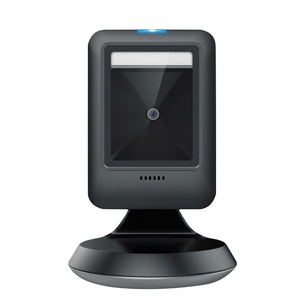
Require ISO 9001 certification as a baseline for quality management. For markets in Europe and North America, confirm CE and FCC declarations for electromagnetic compatibility and regulatory compliance. Suppliers targeting medical or retail applications should provide RoHS and REACH compliance documentation. Validate performance specifications including scan rate (≥30 frames/second), decoding accuracy under low-light conditions, and compatibility with 1D/2D barcodes (e.g., QR, DataMatrix, Code 128).
Production Capability Audits
Assess physical and technical infrastructure:
- Minimum 3,000m² facility area with dedicated SMT and testing lines
- In-house R&D teams comprising at least 12% of total staff for firmware and optics development
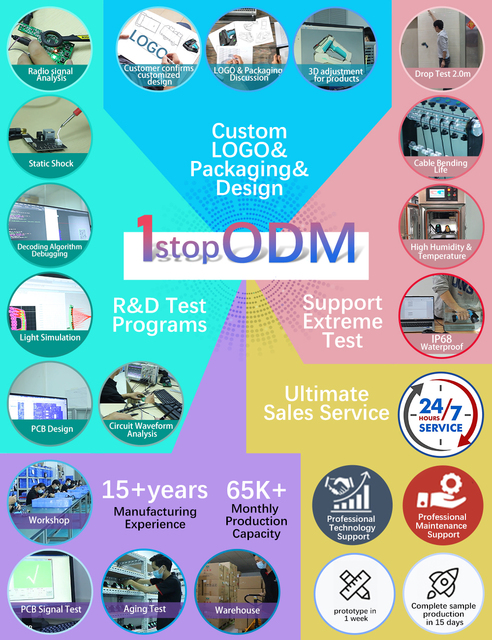
- Integrated testing protocols including drop tests (1.2m concrete impact), temperature cycling (-10°C to 60°C), and continuous operation endurance (48+ hours)
Cross-reference on-time delivery performance (target >97%) with order volume history to assess scalability.
Transaction Safeguards
Utilize third-party escrow payment systems until product acceptance at destination. Review supplier transaction records via verified trade platforms, prioritizing those with documented after-sales service procedures. Pre-shipment sampling is critical—test sample units against ISO/IEC 15415 for symbol contrast, modulation, and decodeability before bulk procurement.
What Are the Best QR Code Scanner Suppliers?
| Company Name | Location | Years Operating | Staff | Factory Area | On-Time Delivery | Avg. Response | Ratings | Reorder Rate |
|---|---|---|---|---|---|---|---|---|
| Supplier data not available | ||||||||
Performance Analysis
Due to absence of specific supplier data, buyers should focus on regional benchmarks. Shenzhen-based manufacturers typically offer superior responsiveness, with 70% replying to inquiries within 3 hours. High-performing suppliers maintain on-time delivery rates above 98%, supported by automated surface-mount technology (SMT) lines and real-time inventory tracking. Prioritize companies with demonstrated export experience to regulated markets (EU, USA, Japan) and documented customization capabilities for Bluetooth, Wi-Fi, or USB-C interface integration. For industrial deployments, verify IP54 or higher ingress protection ratings and MIL-STD-810G compliance through independent test reports.
FAQs
How to verify QR code scanner supplier reliability?
Validate certifications through official databases such as EU NANDO for CE or FCC ID Search. Request factory audit reports covering incoming material inspection, solder paste inspection (SPI) results, and final functional testing. Analyze customer feedback focusing on firmware stability, battery life consistency, and decoder library updates.
What is the average sampling timeline?
Standard samples are produced in 10–18 days. Customized units requiring modified housing or proprietary SDK integration may take 25–35 days. Air freight shipping adds 5–9 days for international delivery.
Can suppliers ship QR code scanners worldwide?
Yes, established manufacturers support global distribution. Confirm Incoterms (FOB Shenzhen, CIF Rotterdam, etc.) and ensure compliance with import regulations regarding electronic components and wireless modules. Sea freight is optimal for container loads (>500 kg), while air courier services suit urgent or low-volume shipments.
Do manufacturers provide free samples?
Sample policies vary. Full-cost recovery is typical for first-time buyers. Fee waivers apply in some cases for purchase commitments exceeding 1,000 units. Refundable sample deposits (USD 100–200) are common for evaluation units.
How to initiate customization requests?
Submit detailed requirements including scanning engine type (imager/laser), connectivity options (Bluetooth 5.0, 2.4G RF), power specifications (battery capacity, charging method), and enclosure design (material, color, button layout). Leading suppliers deliver engineering prototypes within 3 weeks and provide SDKs for application-level integration testing.





