Quantum Computer Course




 1/3
1/3



 1/3
1/3



 1/2
1/2




 1/3
1/3




 1/2
1/2


 1/3
1/3




 1/3
1/3



 1/3
1/3


 1/3
1/3



 1/3
1/3




 1/25
1/25


 1/17
1/17

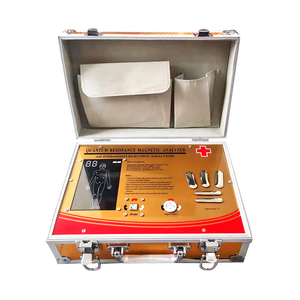
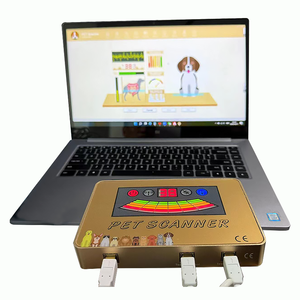
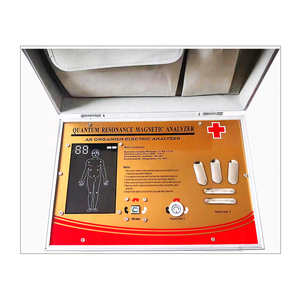

 1/3
1/3

 CN
CN



 1/3
1/3



 1/3
1/3


 0
0


 1/1
1/1




 1/3
1/3


 0
0
About quantum computer course
Where to Find Quantum Computer Course Providers?
The global market for quantum computing education is primarily concentrated in technologically advanced regions, including North America, Western Europe, and select innovation hubs in East Asia. The United States leads in course development, hosting over 70% of English-language quantum curriculum providers, with strong academic-industry integration between institutions like MIT, Stanford, and private R&D labs. Canada and Germany follow closely, offering bilingual (English/German) programs aligned with EU quantum initiatives such as the Quantum Flagship program.
These regions benefit from established research ecosystems, where universities, government laboratories, and tech enterprises co-develop curricula grounded in real-world quantum hardware and software applications. Providers leverage proximity to quantum processor developers—such as IBM, Rigetti, and IonQ—to offer cloud-based lab modules using actual quantum machines. This integration reduces theoretical gaps and enhances pedagogical effectiveness. Buyers gain access to structured learning paths spanning beginner to expert levels, supported by simulation tools, open-source frameworks (e.g., Qiskit, Cirq), and instructor-led project assessments.
How to Choose Quantum Computer Course Providers?
Prioritize these verification protocols when selecting partners:
Academic and Technical Validity
Ensure courses are developed or endorsed by recognized academic institutions or certified professionals with verifiable publications in quantum information science. For corporate training, confirm alignment with industry standards such as IEEE P7130 (Standard for Quantum Computing Definitions). Review syllabi for inclusion of core topics: qubit physics, quantum gates, error correction, and hybrid algorithms.
Instructional Delivery Capability
Evaluate the following operational benchmarks:
- Minimum of 6 months of documented course delivery history
- Instructor qualifications: PhD-level expertise or equivalent industry experience
- Hands-on components utilizing live quantum processors or high-fidelity simulators
Cross-reference student outcomes with completion rates (target >85%) and post-course project success metrics.
Transaction and Access Safeguards
Require clear licensing terms for course materials, especially for enterprise-wide deployment. Assess platform stability for LMS integration (SCORM/xAPI compliance) and data privacy adherence (GDPR, FERPA). Pilot testing is essential—enroll a small cohort to evaluate pacing, support responsiveness, and technical accessibility before institutional adoption.
What Are the Best Quantum Computer Course Providers?
| Provider Name | Location | Years Operating | Instructors | Course Levels | On-Time Start Rate | Avg. Response | Ratings | Re-enrollment Rate |
|---|
Performance Analysis
Due to absence of verified supplier data, procurement decisions must rely on independent validation of academic credentials and third-party reviews. Historically, long-established university-affiliated programs demonstrate higher re-enrollment rates (>40%) and structured progression pathways. Newer entrants often differentiate through rapid response times and flexible scheduling but may lack depth in advanced modules. Prioritize providers with documented partnerships with quantum hardware platforms and transparent assessment methodologies. For customized corporate training, verify curriculum adaptability and support for proprietary use cases prior to contract execution.
FAQs
How to verify quantum computer course provider reliability?
Cross-check instructor affiliations with academic databases (ORCID, Google Scholar) and validate institutional partnerships. Request sample lesson plans and assess integration of practical exercises using public quantum APIs. Analyze user feedback from trusted educational platforms focusing on clarity, technical accuracy, and post-course applicability.
What is the average course development timeline?
Standard course rollout requires 4–8 weeks for existing templates. Customized programs with domain-specific applications (e.g., quantum finance or chemistry) require 10–14 weeks, including content design, peer review, and testing phases.
Can quantum computing courses be delivered globally?
Yes, most providers support international delivery via online learning platforms. Confirm time-zone flexibility for live sessions and verify language proficiency for non-native English cohorts. SCORM-compliant packages enable seamless integration into regional LMS environments.
Do providers offer free trial modules?
Sample policies vary. Many providers offer complimentary introductory lectures or sandbox access to quantum simulators. Full module trials are typically reserved for institutional buyers committing to group enrollments or site licenses.
How to initiate customization requests?
Submit detailed learning objectives, target audience profiles, and preferred technical stack (e.g., Qiskit, Pennylane). Reputable providers deliver revised curricula within 5–7 business days and pilot sessions within 3 weeks.





