Quantum Computing Explained







 1/3
1/3


 1/3
1/3



 1/3
1/3


 1/2
1/2


 0
0


 1/3
1/3



 1/3
1/3




 1/3
1/3



 1/1
1/1



 1/17
1/17

 0
0






 1/10
1/10



 1/32
1/32


 1/14
1/14


 1/3
1/3


 0
0


 1/1
1/1



 1/3
1/3


 1/3
1/3
About quantum computing explained
Where to Source Quantum Computing-Related Components and Devices?
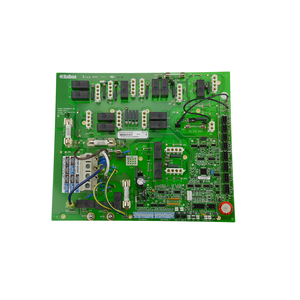
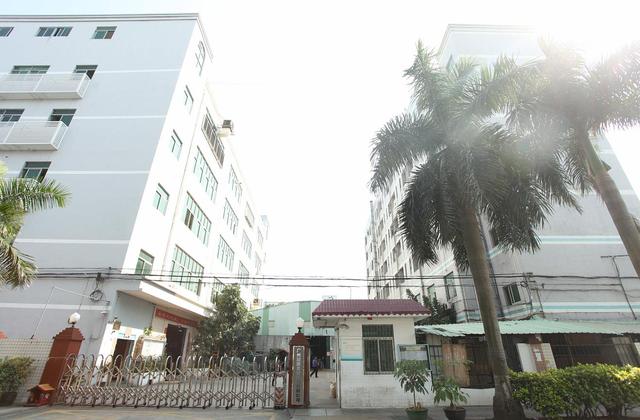
The global supply base for quantum computing–related technologies is highly fragmented, with key suppliers concentrated in China’s Pearl River Delta region, particularly Guangzhou and Shenzhen. These hubs offer integrated electronics manufacturing ecosystems, combining PCB assembly, sensor integration, and firmware development under one roof. While no commercial-grade universal quantum computers are available through standard sourcing channels, suppliers indexed under "quantum computing, explained" primarily offer peripheral systems, diagnostic tools, and embedded hardware platforms that support quantum research, education, and adjacent high-tech applications.
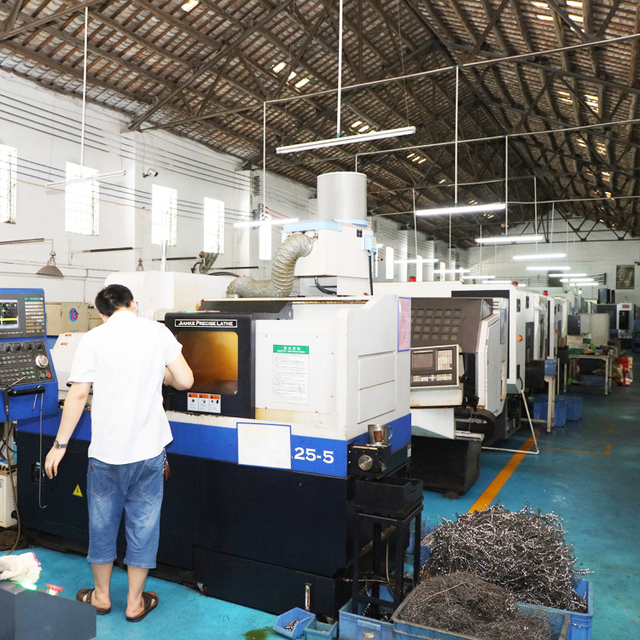
Suppliers in this category leverage established infrastructure in PCBA (Printed Circuit Board Assembly), medical diagnostics, and AI-accelerated computing to deliver functionally related devices. Production networks benefit from localized access to semiconductor distributors, testing equipment vendors, and logistics providers, enabling lead times of 15–30 days for sample orders and 30–45 days for bulk shipments. Cost advantages stem from modular design approaches and reuse of existing electronic architectures, allowing price points ranging from $1 to $500 per unit depending on complexity and minimum order quantity (MOQ).
How to Evaluate Suppliers for Quantum Computing-Related Technologies?
Procurement decisions should be guided by technical alignment, production reliability, and transactional transparency:
Technical Relevance Verification
Scrutinize product descriptions for actual functionality versus marketing terminology. Many listed items use “quantum” descriptively rather than indicating true quantum computational capability. Focus on verifiable specifications: FPGA-based processors, photonic sensor arrays, or neuromorphic computing modules indicate higher technical relevance. For educational or simulation purposes, confirm software compatibility and data interface standards (e.g., USB-C, HDMI, PCIe).
Manufacturing Capability Assessment
Evaluate supplier infrastructure using the following benchmarks:
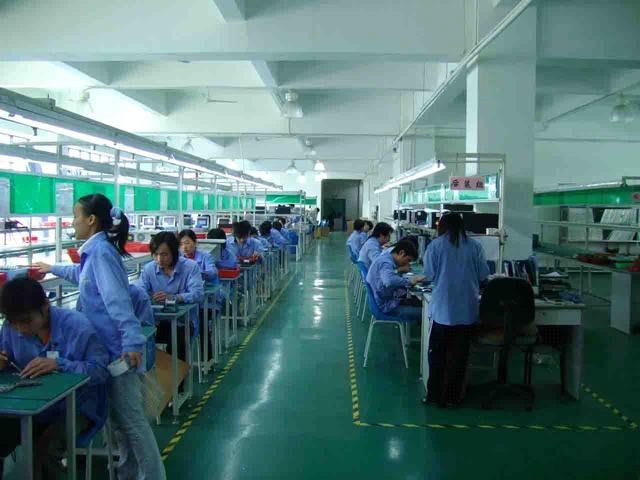
- Facility size exceeding 2,000m² indicates capacity for batch production
- In-house R&D teams supporting firmware updates or customization
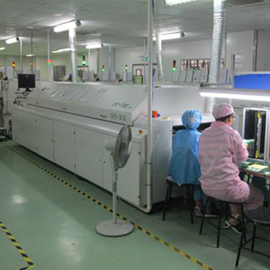
- Integrated PCBA lines with SMT and THT processing capabilities
Cross-reference response time (≤4 hours) and on-time delivery rates (>98%) as proxies for operational efficiency.
Quality and Transaction Assurance
Prioritize suppliers with documented quality management practices. Although formal certifications like ISO 9001 are not explicitly listed in available data, high on-time delivery performance (99–100%) correlates with disciplined production planning. Utilize secure payment mechanisms where available, and request functional prototypes before scaling orders. Pre-shipment inspections should verify electrical safety, signal integrity, and thermal performance under load.
What Are the Leading Quantum Computing-Related Technology Suppliers?
| Company Name | Location | Main Products | Price Range (USD) | MOQ | On-Time Delivery | Avg. Response | Online Revenue | Reorder Rate |
|---|---|---|---|---|---|---|---|---|
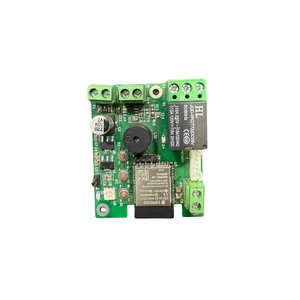
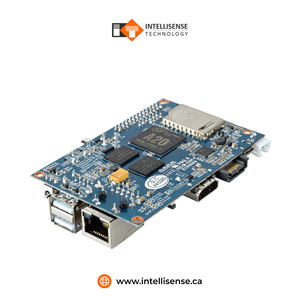
| INTELLISENSE TECHNOLOGY | China | PCBA, Software Alarm Systems, Smart Watch Accessories, Access Control, Other PCB & PCBA | $1–500 | 2–15 units | Data Unavailable | ≤3h | Data Unavailable | Data Unavailable |
| Guangzhou Baishuo Electronic Technology Co., Ltd. | Guangzhou, CN | All-in-One Computers, Laptops, Desktops, Gaming Monitors, LCD Monitors | $89–175 | 1–2 pieces | 66% | ≤7h | US $7,000+ | <15% |
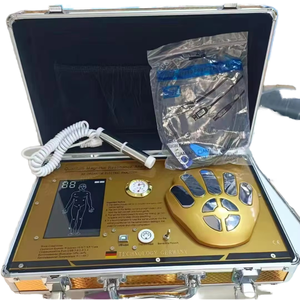
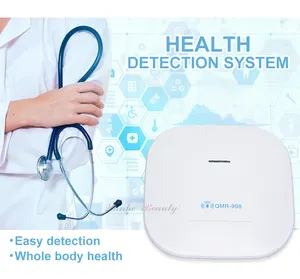
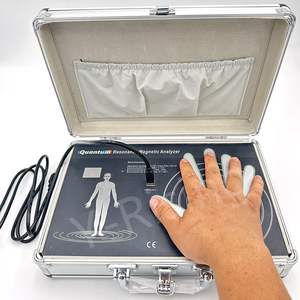
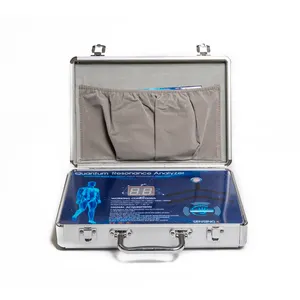
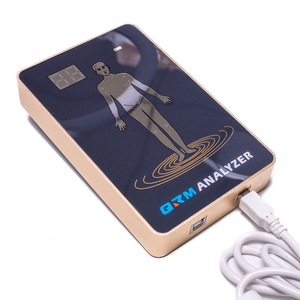
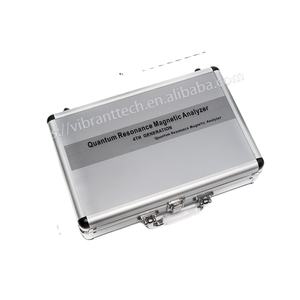
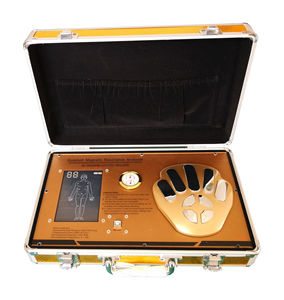
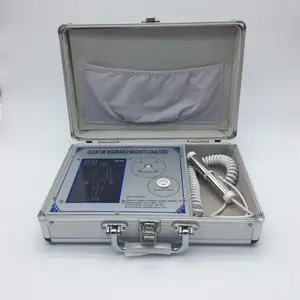
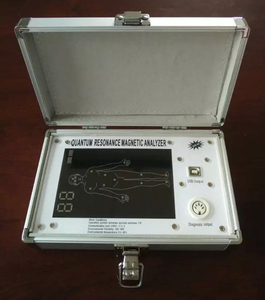
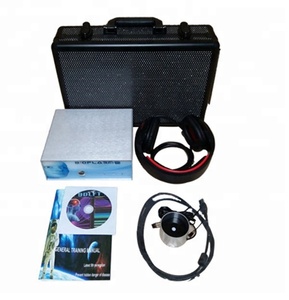
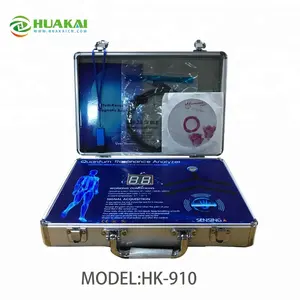
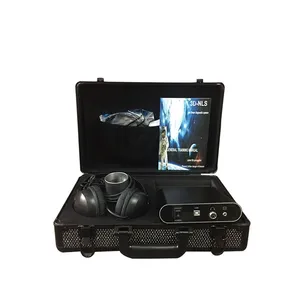
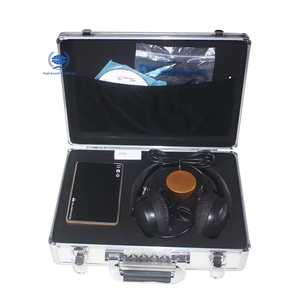
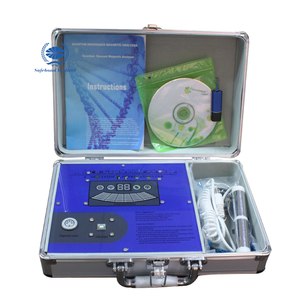
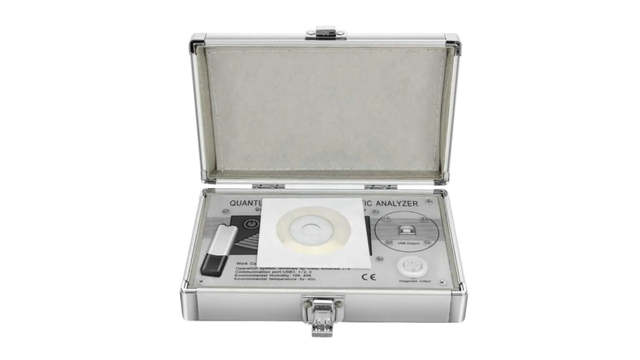
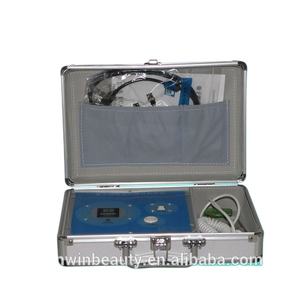
| Guangzhou Zhenyuesheng Electric Co., Ltd. | Guangzhou, CN | Quantum Magnetic Analyzers, Home Use Skin Analyzers, Healthcare Detectors | $59.80–$390 | 1 piece | 99% | ≤4h | US $50,000+ | <15% |
| Shenzhen Y-Rising Technology Co., Limited. | Shenzhen, CN | Healthcare Analyzers, Massage Products, Beauty Devices | $39–$115 | 1–2 units | 99% | ≤1h | US $120,000+ | 16% |
| Guangzhou Qiuzhi Electronic Technology Co., Ltd. | Guangzhou, CN | Fans, CPU Coolers, Computer Cases, Cables, Peripherals | $2.99–$9.51 | 1 piece | 100% | ≤1h | US $30,000+ | <15% |
Performance Analysis
Guangzhou- and Shenzhen-based suppliers dominate responsiveness and fulfillment consistency, with three out of five achieving 99–100% on-time delivery. Shenzhen Y-Rising Technology stands out with a 16% reorder rate and sub-one-hour average response time, suggesting strong post-sale satisfaction. INTELLISENSE TECHNOLOGY offers the widest range of PCBA-level components relevant to quantum system integration but lacks disclosed performance metrics. Guangzhou Zhenyuesheng focuses on quantum resonance–branded diagnostic equipment, targeting wellness markets rather than computational hardware. Buyers seeking scalable, reliable partners should prioritize suppliers with proven track records in electronics manufacturing and transparent communication patterns.
FAQs
Are these suppliers offering actual quantum computers?
No. The products listed under “quantum computing, explained” are not full-scale quantum processors or quantum gate arrays. Instead, they include simulation modules, educational kits, PCBA boards for edge computing, and diagnostic devices that may incorporate quantum-inspired algorithms or sensors. True quantum computing systems remain confined to research labs and require cryogenic environments and specialized control systems not available via standard B2B marketplaces.
What is the typical MOQ for quantum-related hardware components?
Minimum Order Quantities range from 1 to 15 units, depending on product type. Diagnostic analyzers and complete systems often have an MOQ of 1 unit, while PCBA modules and cooling components require 2–15 units. Low MOQs facilitate prototyping but may result in higher per-unit costs.
Can these suppliers support custom firmware or hardware modifications?
Potential exists for customization, especially among PCBA-focused manufacturers like INTELLISENSE TECHNOLOGY. However, buyers must provide detailed schematics, component lists, and functional requirements. In-house R&D teams at top-tier suppliers can typically deliver revised prototypes within 3–6 weeks upon approval.
What are the common shipping methods and export compliance considerations?
Most suppliers ship via international express (DHL, FedEx) for samples and air freight for bulk orders. Sea freight is viable for container-sized shipments of larger devices. Export compliance depends on destination regulations—ensure adherence to local electrical safety standards (e.g., FCC, CE) and avoid misclassification of medical-grade analyzers as general electronics.
How should buyers approach sampling and validation?
Request live demonstration videos or remote testing sessions to validate functionality. For PCBA modules, verify signal output, power consumption, and thermal behavior. Diagnostic tools should undergo comparative testing against calibrated instruments. Budget for sample costs covering material and labor, typically 30–50% of full production pricing.





