Raspberry Pi 400





 1/3
1/3




 1/11
1/11


 1/2
1/2




 1/3
1/3




 1/35
1/35









 1/3
1/3


 1/3
1/3




 1/31
1/31



 1/1
1/1


 1/1
1/1


 1/15
1/15


 0
0


 1/2
1/2



 1/3
1/3



 0
0


 1/3
1/3




 0
0
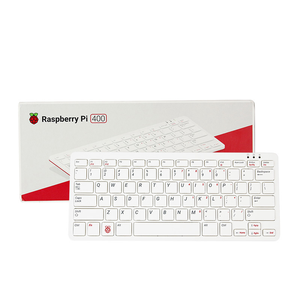
About raspberry pi 400
Where to Find Raspberry Pi 400 Suppliers?
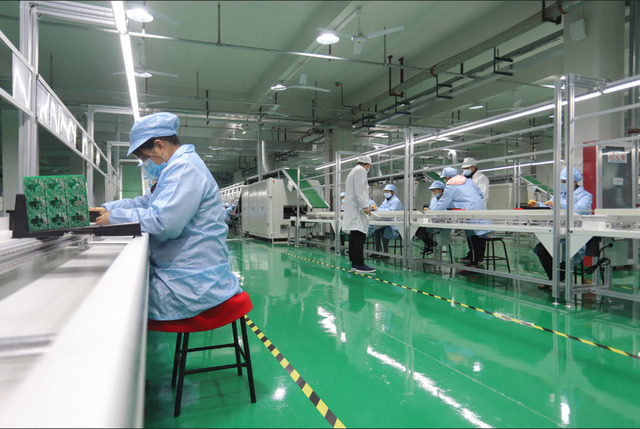
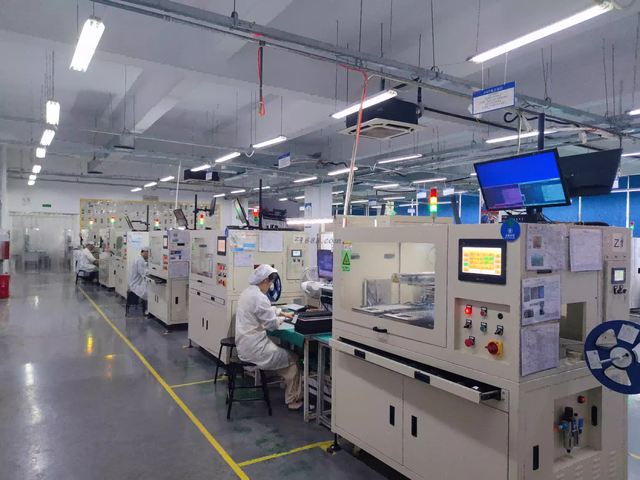
Global production of single-board computers like the Raspberry Pi 400 is concentrated in East Asia, with China and Taiwan serving as primary manufacturing hubs due to advanced electronics supply chains and skilled labor pools. These regions host vertically integrated facilities capable of handling PCB assembly, component sourcing, firmware integration, and final testing under one roof. Proximity to semiconductor foundries and SMT (surface-mount technology) suppliers enables streamlined production cycles and cost efficiency.
Manufacturing clusters in Shenzhen, Guangdong, and Hsinchu, Taiwan benefit from dense ecosystems of electronic component distributors, contract manufacturers, and logistics providers. This localization reduces material lead times by up to 40% compared to Western-based assembly operations. Buyers gain access to scalable production lines with typical monthly outputs ranging from 50,000 to over 200,000 units per facility, depending on automation levels and order specifications. Key advantages include compliance-ready design frameworks, rapid prototyping capabilities (7–10 days), and flexible batch sizing for both retail distribution and embedded system integrators.
How to Choose Raspberry Pi 400 Suppliers?
Procurement decisions should be guided by rigorous technical and operational assessments:
Quality & Compliance Verification
Confirm adherence to international standards including ISO 9001 for quality management, IEC 62368-1 for electrical safety, and RoHS/REACH for hazardous substance restrictions. For commercial resale or industrial deployment, FCC Part 15 and CE EMC Directive compliance ensures regulatory clearance in North American and European markets. Request test reports for EMI/EMC, thermal performance, and power integrity under sustained load conditions.
Production Infrastructure Assessment
Evaluate supplier capabilities through the following benchmarks:
- Minimum 3,000m² cleanroom-controlled production area for SMT and assembly
- In-house SMT lines with automated optical inspection (AOI) and X-ray BGA inspection systems
- Firmware flashing and functional testing stations integrated into final assembly
Verify a documented defect rate below 500 PPM (parts per million) and traceability logs for each unit’s components and test results.
Supply Chain & Transaction Security
Prioritize suppliers with established relationships with authorized component distributors to mitigate counterfeit risk. Utilize secure payment mechanisms such as third-party escrow or letter of credit (L/C) terms for initial orders. Conduct pre-shipment inspections via independent auditors to validate packaging, labeling accuracy, and functional performance across a statistically significant sample size (AQL Level II). For long-term contracts, negotiate consignment stock or just-in-time (JIT) delivery models to optimize inventory costs.
What Are the Best Raspberry Pi 400 Suppliers?
| Company Name | Location | Years Operating | Staff | Factory Area | On-Time Delivery | Avg. Response | Ratings | Reorder Rate |
|---|---|---|---|---|---|---|---|---|
| Supplier data unavailable for Raspberry Pi 400. Market dominated by official Raspberry Pi Trading Ltd. and authorized resellers. Third-party OEM manufacturing limited due to proprietary design and trademark restrictions. | ||||||||
Performance Analysis
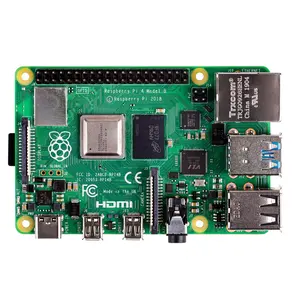
The Raspberry Pi 400 is a trademarked product developed and licensed exclusively by Raspberry Pi Trading Ltd., limiting direct OEM replication. Most available units originate from authorized manufacturing partners in the UK, Japan, and China operating under strict licensing agreements. As such, true "suppliers" are typically authorized distributors rather than independent manufacturers. Buyers seeking bulk procurement should focus on distributor reliability, stock authenticity, and traceable supply chains. Unauthorized clones exist but carry risks related to component quality, software compatibility, and lack of security updates. High reorder rates among authorized channels reflect consistent availability and post-sale support efficacy.
FAQs
How to verify Raspberry Pi 400 supplier authenticity?
Cross-reference distributor status with Raspberry Pi’s official partner directory. Validate batch numbers against firmware signatures and inspect physical boards for correct branding, silkscreen alignment, and connector finish. Authorized units include verified boot capability and receive regular OS and security updates from the foundation.
What is the typical lead time for bulk Raspberry Pi 400 orders?
Standard lead times range from 4 to 8 weeks for in-stock configurations through authorized distributors. Extended delays (10–14 weeks) may occur during global semiconductor shortages. Pre-orders for new batches often require 50% deposit with confirmed ship dates upon allocation.
Can Raspberry Pi 400 be customized for industrial applications?
Limited customization is available through authorized partners, including preloaded OS images, extended temperature-grade components, and conformal coating for harsh environments. Full hardware modifications require engagement with Raspberry Pi’s enterprise solutions team under NDA.
Do suppliers offer free samples?
Sample policies are restrictive due to high demand and anti-scalping measures. Distributors may provide evaluation units only to qualified business entities with verifiable use cases, typically at full retail price with potential reimbursement upon volume commitment.
Are there alternative single-board computers similar to Raspberry Pi 400?
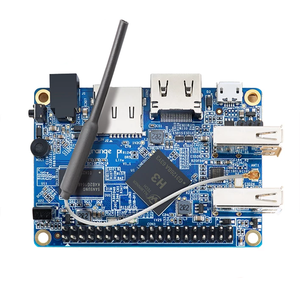
Yes, alternatives include ASUS Tinker Board 2S, Libre Computer ROC-RK3328-CC, and NVIDIA Jetson Nano. These offer comparable form factors and GPIO capabilities but differ in SoC architecture, power efficiency, and software ecosystem support. Procurement strategies should consider total cost of ownership, including driver availability, community support, and long-term update cycles.





