

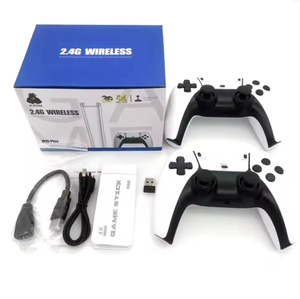

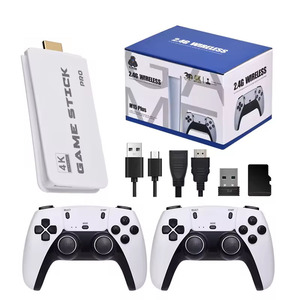


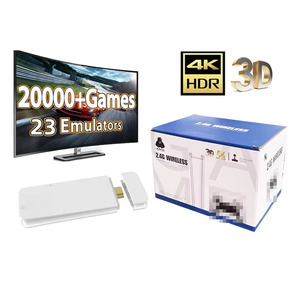
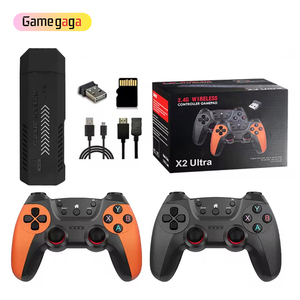
Retro Games Emulator














 Top sponsor listing




 0
0


 1/1
1/1


 1/3
1/3


 1/4
1/4




 1/3
1/3


 1/18
1/18


 1/3
1/3


 0
0


 1/3
1/3



 1/3
1/3


 1/3
1/3


 1/3
1/3


 1/17
1/17


 1/3
1/3



 0
0



 1/3
1/3



 1/3
1/3




 1/3
1/3

 1/18
1/18

About retro games emulator
Where to Find Retro Games Emulator Suppliers?
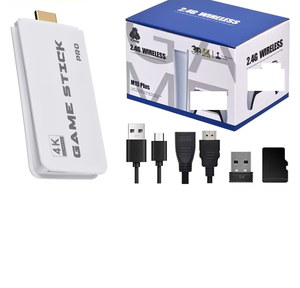
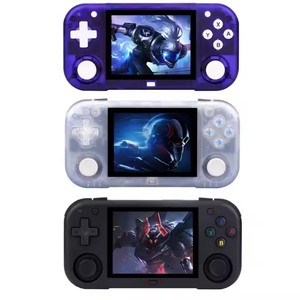
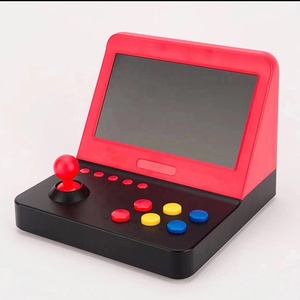
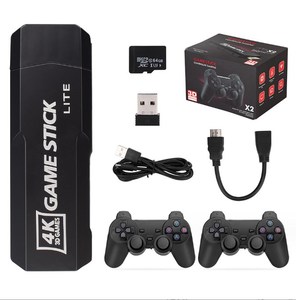
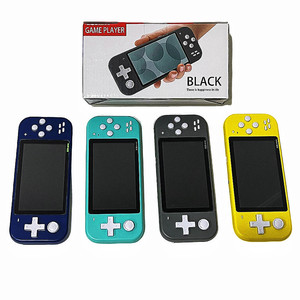
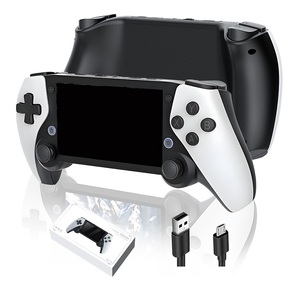
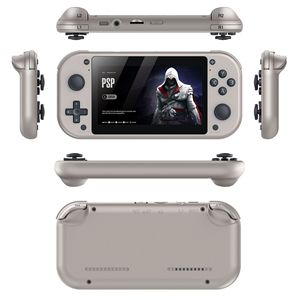
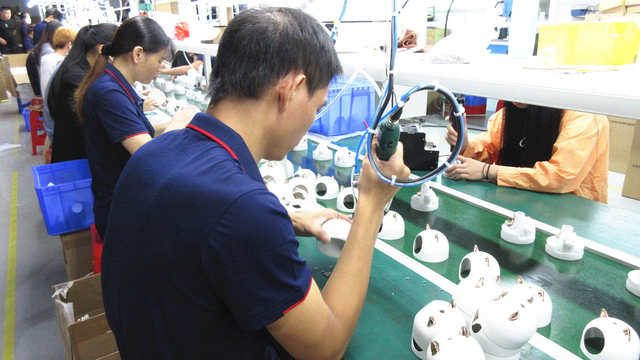
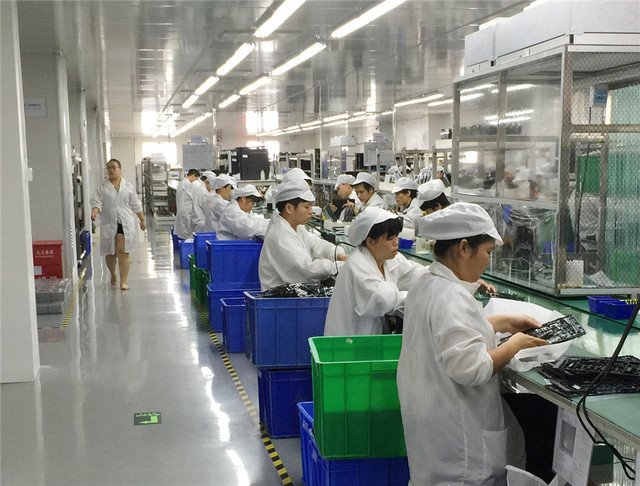
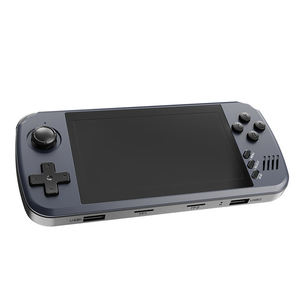
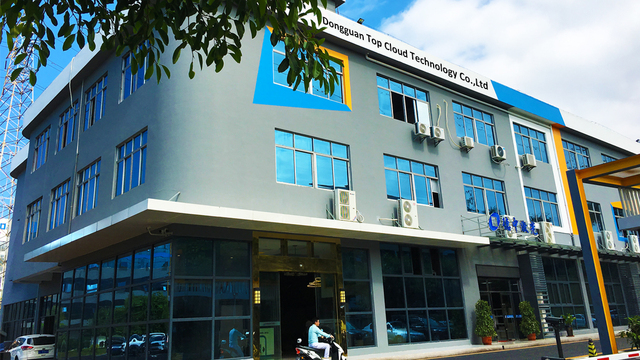
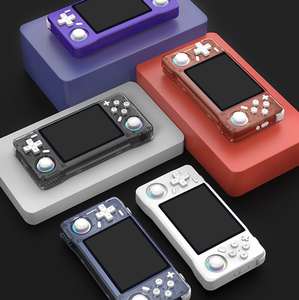
China remains the central hub for retro games emulator manufacturing, with key production clusters in Guangdong and Fujian provinces driving innovation and volume output. Shantou and Shenzhen serve as primary centers for handheld game players and plug-and-play consoles, benefiting from established electronics supply chains and specialized OEM/ODM service providers. These regions host vertically integrated facilities capable of full-cycle production—from PCB assembly and firmware integration to plastic injection molding and packaging—enabling rapid prototyping and scalable order fulfillment.
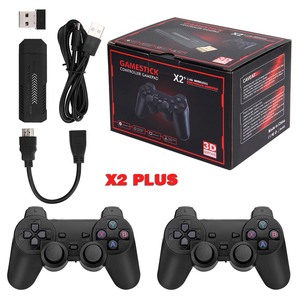
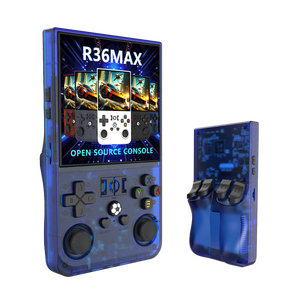
The ecosystem supports both mass-market and niche product development, with suppliers offering modular designs compatible with Android-based emulation platforms and preloaded ROM libraries. Proximity to component suppliers reduces lead times by 15–25% compared to offshore alternatives, while logistics networks in the Pearl River Delta ensure efficient global distribution via air and sea freight. Buyers gain access to flexible MOQs, ranging from single-unit sampling to container-scale orders, supported by digital procurement platforms that streamline transaction management.
How to Choose Retro Games Emulator Suppliers?
Effective supplier selection requires systematic evaluation across technical, operational, and transactional dimensions:
Technical & Functional Compliance
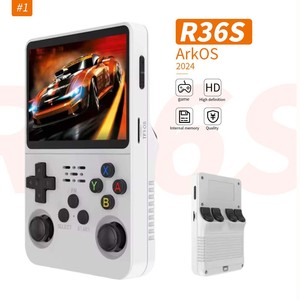
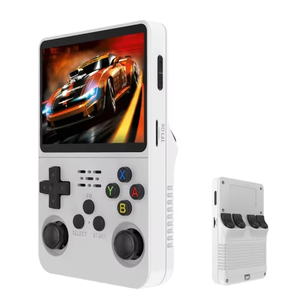
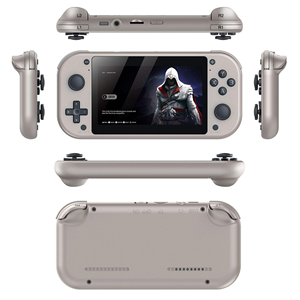
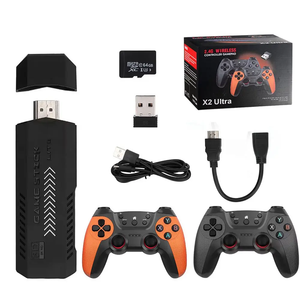
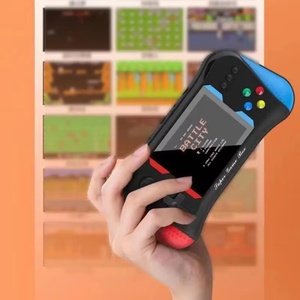
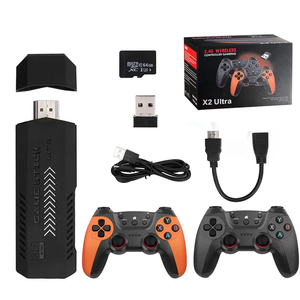
Verify compatibility with standard emulation frameworks (e.g., RetroArch, Batocera) and support for multi-system cores (NES, SNES, Genesis, N64). Confirm video output specifications (HDMI 720p/1080p/4K), storage capacity (internal flash or expandable SSD/TF card), and controller interface types (USB, Bluetooth, built-in). For handheld units, assess battery capacity (minimum 2000mAh recommended), screen size (3.5”–5.5”), and input latency performance.
Production Capability Assessment
Evaluate supplier infrastructure using these benchmarks:
- Minimum 30,000+ monthly unit output capacity for high-volume contracts
- In-house design and engineering teams supporting firmware customization and UI localization
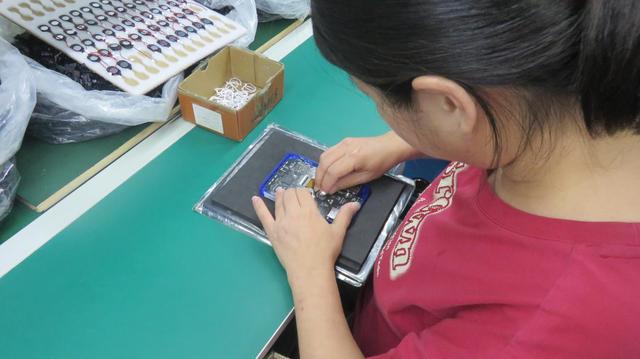
- Integration of SMT lines and mold-making capabilities for end-to-end control
Cross-reference online revenue data and listing volumes to validate scale. Prioritize suppliers with ≥97% on-time delivery rates and response times under 4 hours.
Quality Assurance & Transaction Security
Demand compliance with RoHS and CE standards for electronic safety and environmental regulations. Review quality control protocols, including burn-in testing, drop testing for handhelds, and pre-shipment inspection procedures. Utilize secure payment mechanisms such as trade assurance programs to mitigate risk. Request functional samples to verify gameplay performance, menu navigation, and hardware durability before bulk ordering.
What Are the Best Retro Games Emulator Suppliers?
| Company Name | Main Products (Listings) | On-Time Delivery | Avg. Response | Reorder Rate | Online Revenue | Customization Options | Sample MOQ | Key Product Range |
|---|---|---|---|---|---|---|---|---|
| Shantou Wiisun Electronic Co., Ltd. | Handheld Game Players (316) | 99% | ≤2h | <15% | US $600,000+ | Color, material, logo, packaging, graphics | 1 piece | $9.58–$45.08 (handhelds); $23.94–$45.08 (game sticks) |
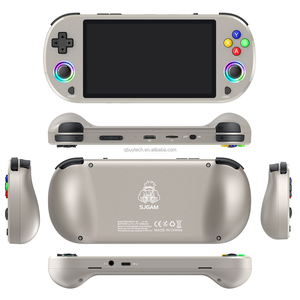
| Shenzhen Qbuy Technology Co., Ltd. | Handheld Game Players, Consoles | 98% | ≤4h | <15% | US $550,000+ | Color, material, size, logo, packaging, graphics | 1 piece | $21.48–$96.00 (handhelds and open-source consoles) |
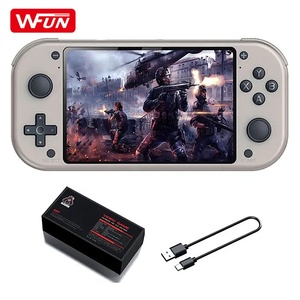
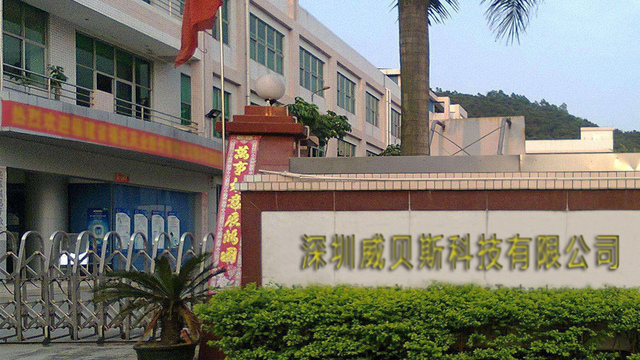
| Shenzhen Weibeisi Technologies Co., Ltd. | Video Game Consoles (47) | 97% | ≤2h | 19% | US $40,000+ | Not specified | 1–2 pieces | $14.48–$30.80 (game sticks); $25.60–$28.50 (consoles) |
| ONTER JOINT STOCK COMPANY | Video Game Consoles (34) | Data unavailable | ≤2h | Data unavailable | Data unavailable | Not specified | 1 piece | $319.99 (premium console); $47.99–$98.99 (standard models) |
Performance Analysis
Shantou Wiisun and Shenzhen Qbuy lead in scalability and customization depth, backed by high transaction volumes and comprehensive OEM support. Wiisun demonstrates strong reliability with a 99% on-time delivery rate and extensive product range across handhelds and game sticks. Qbuy offers competitive pricing and advanced open-source platform options, appealing to buyers seeking firmware flexibility. Weibeisi presents cost-effective solutions with consistent delivery metrics, though its higher reorder rate suggests potential post-purchase issues. ONTER offers premium-tier products but lacks verifiable performance data, increasing procurement risk without sample validation.
FAQs
How to verify retro games emulator supplier reliability?
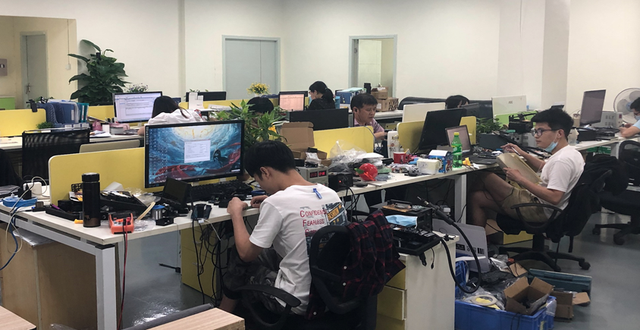
Cross-check delivery performance and response times through transaction history logs. Request evidence of compliance with RoHS and CE directives. Analyze customer reviews focusing on firmware stability, build quality, and after-sales communication. Conduct video audits of production lines when possible.
What is the average sampling timeline?
Standard emulator units require 7–14 days for sample production. Customized models with branded packaging or modified firmware typically take 18–25 days. Air shipping adds 5–10 business days depending on destination.
Can suppliers ship retro game emulators worldwide?
Yes, most manufacturers offer global shipping via express, air, or sea freight. Confirm Incoterms (FOB, CIF, DDP) and verify export compliance for electronic goods. Sea freight is optimal for orders exceeding 500 units to minimize per-unit logistics costs.
Do suppliers provide free samples?
Free samples are uncommon for finished electronics. Most suppliers charge full price for initial units but may refund the cost upon placement of a qualifying bulk order (typically 50+ units).
How to initiate customization requests?
Submit detailed requirements including device type (handheld/console/stick), display size, battery capacity, storage configuration, and desired preloaded game library. For branding, provide vector artwork for logos and packaging layouts. Reputable suppliers will respond with technical feasibility assessments and quotation within 48–72 hours.





