Retro Gaming Emulator









 0
0





 1/23
1/23


 1/3
1/3






 1/3
1/3



 1/1
1/1




 1/3
1/3




 1/5
1/5


 1/18
1/18



 1/3
1/3



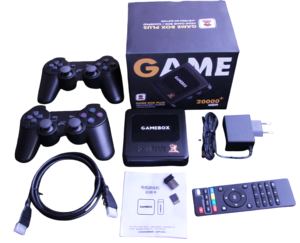
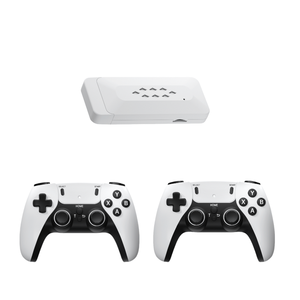 0
0


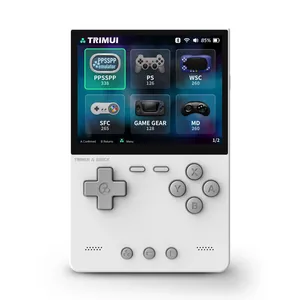
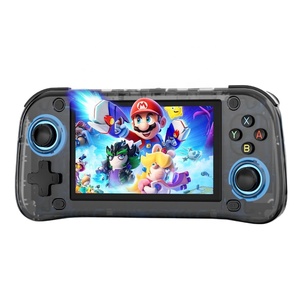


 1/3
1/3




 1/3
1/3


 1/3
1/3




 0
0


 1/3
1/3




 1/3
1/3




 1/3
1/3

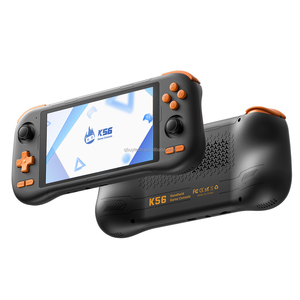
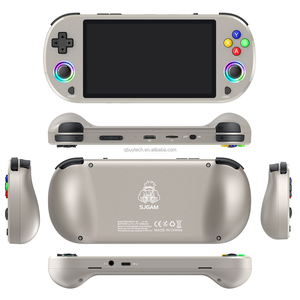
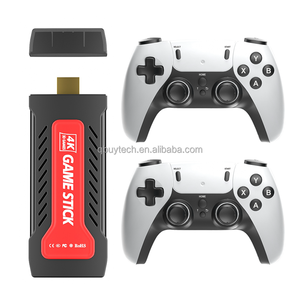
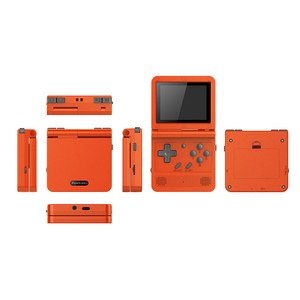
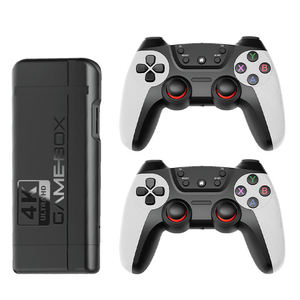
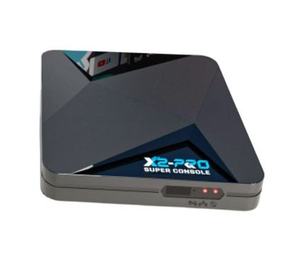
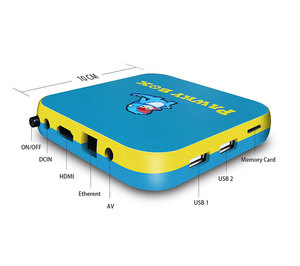
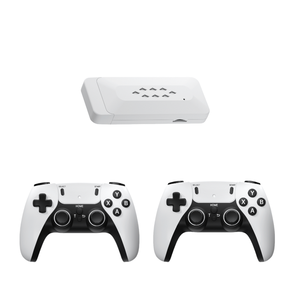
About retro gaming emulator
Where to Find Retro Gaming Emulator Suppliers?
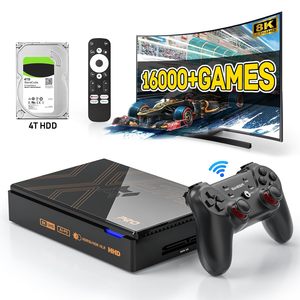
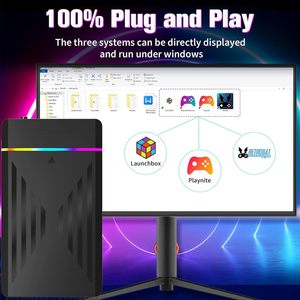
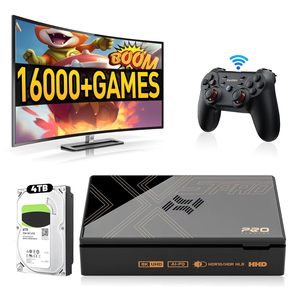
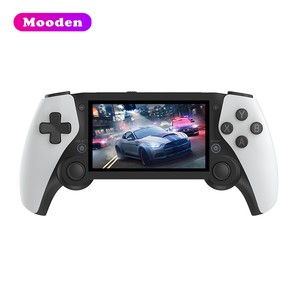
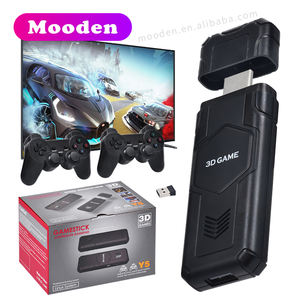
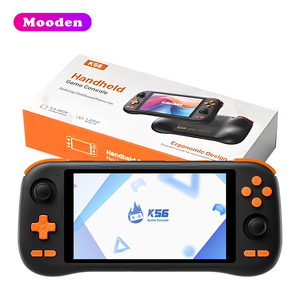
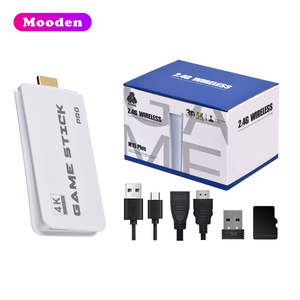
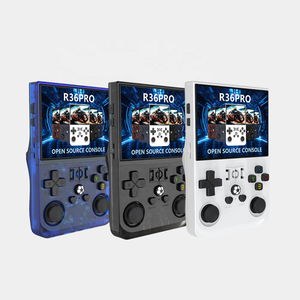
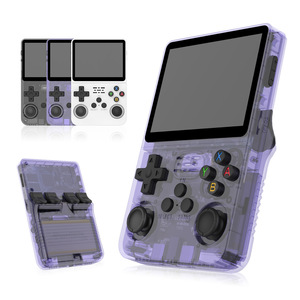
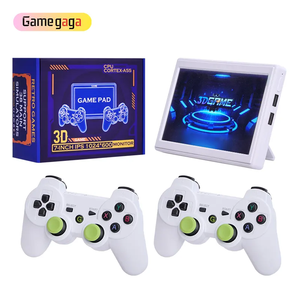
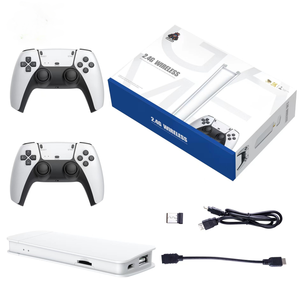
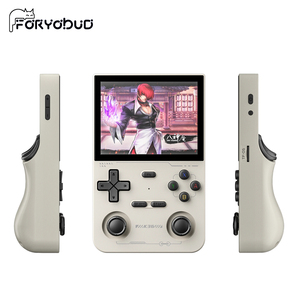
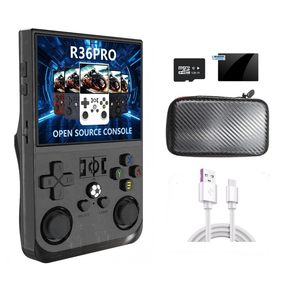
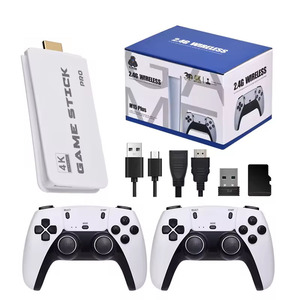
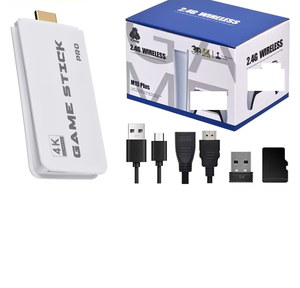
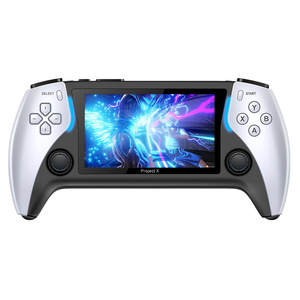
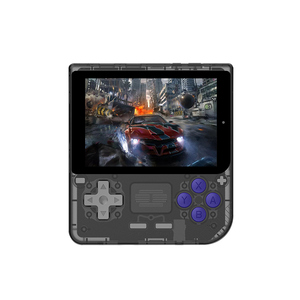
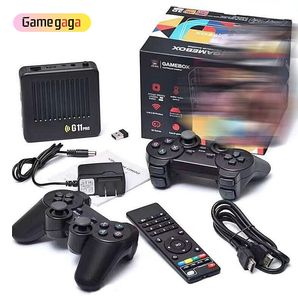
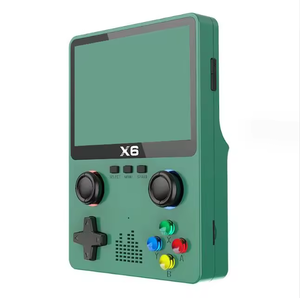
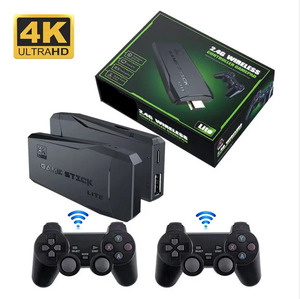
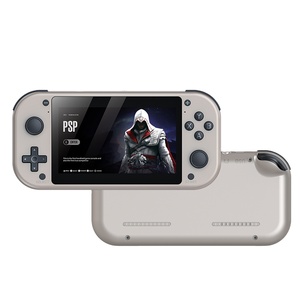
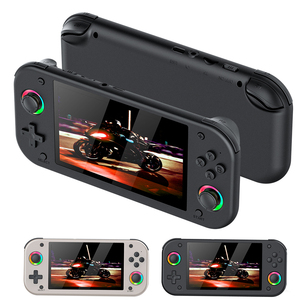
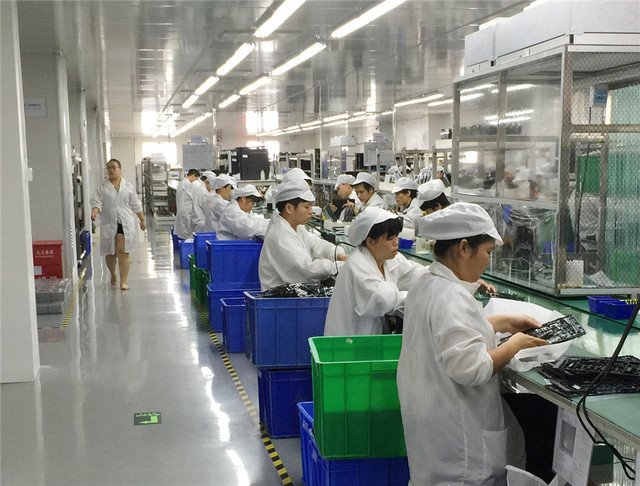
China remains the central hub for retro gaming emulator manufacturing, with key production clusters concentrated in Shenzhen and surrounding Guangdong regions. These zones host vertically integrated supply chains encompassing PCB fabrication, firmware development, and handheld console assembly, enabling rapid prototyping and scalable output. Shenzhen’s electronics ecosystem supports over 80% of global handheld emulator production, leveraging localized access to components such as ARM-based processors, NAND flash storage, and custom LCD panels.
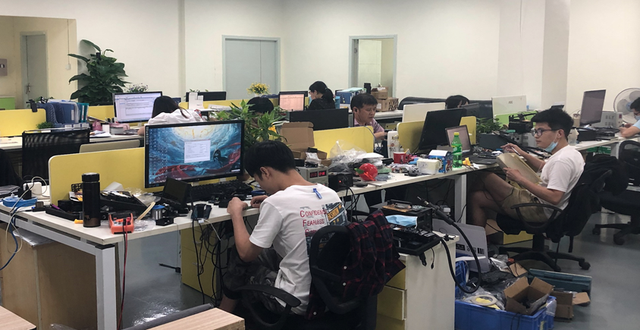
Manufacturers in this region benefit from streamlined logistics and mature subcontractor networks—allowing for efficient turnaround on both standard and customized units. Production facilities typically operate under ISO 9001-aligned quality frameworks, with many offering in-house design teams capable of firmware customization and hardware modification. Buyers can expect lead times of 15–30 days for bulk orders, with MOQs ranging from 1 to 500 units depending on model complexity and supplier scale.
How to Choose Retro Gaming Emulator Suppliers?
Procurement decisions should be guided by rigorous evaluation of technical capability, transaction reliability, and after-sales support:
Technical & Production Verification
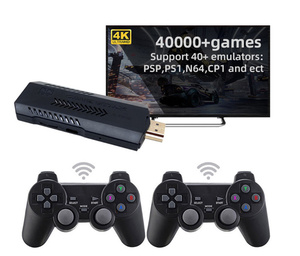
Confirm suppliers possess in-house capabilities in embedded system programming, PCB layout, and firmware integration. Key indicators include dedicated R&D personnel and demonstrated experience with Android-based emulation platforms (e.g., Android 14 implementations). Evaluate product listings for evidence of open-source compatibility (e.g., support for RetroArch), SD card expandability, and multi-core CPU configurations.
Quality and Compliance Indicators
While formal certifications like CE or RoHS are not universally declared, prioritize suppliers with verifiable on-time delivery rates exceeding 97%. Look for documented compliance with basic electrical safety standards, particularly for USB-powered devices. Request test reports for battery performance, thermal management, and HDMI output stability where applicable.
Transaction and Customization Assessment
Assess responsiveness (target ≤4 hours) and reorder rate metrics to gauge customer satisfaction. Multiple suppliers offer OEM/ODM services including logo imprinting, packaging redesign, color variation, and preloaded game library customization. Confirm minimum order thresholds for personalized options—typically starting at 100–500 units—and verify whether firmware modifications are supported.
What Are the Best Retro Gaming Emulator Suppliers?
| Company Name | Location | Verified Supplier | Online Revenue | On-Time Delivery | Avg. Response | Reorder Rate | Customization Options | Sample MOQ |
|---|---|---|---|---|---|---|---|---|
| Shenzhen Qbuy Technology Co., Ltd. | Shenzhen, CN | Multispecialty Supplier | US $540,000+ | 98% | ≤4h | <15% | Color, material, size, logo, packaging, label, graphic | 1–10 pcs |
| ONTER JOINT STOCK COMPANY | Vietnam | - | - | - | ≤2h | - | Limited data | 1 pc |
| Shenzhen Mooden Electronics Co., Ltd. | Shenzhen, CN | Multispecialty Supplier | US $530,000+ | 100% | ≤2h | <15% | Color, material, size, logo, packaging, label, graphic | 1 pc |
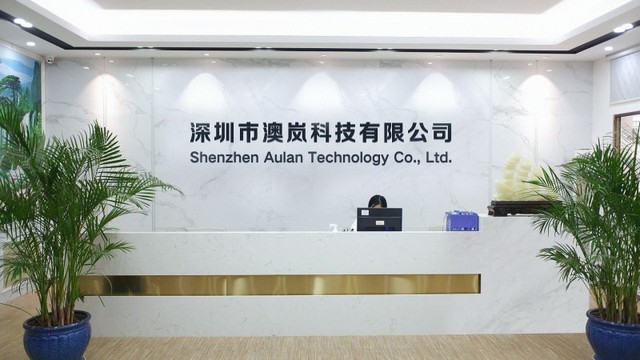
| Shenzhen Aulan Technology Co., Ltd. | Shenzhen, CN | - | US $30,000+ | 97% | ≤5h | 27% | Limited data | 5 pcs |
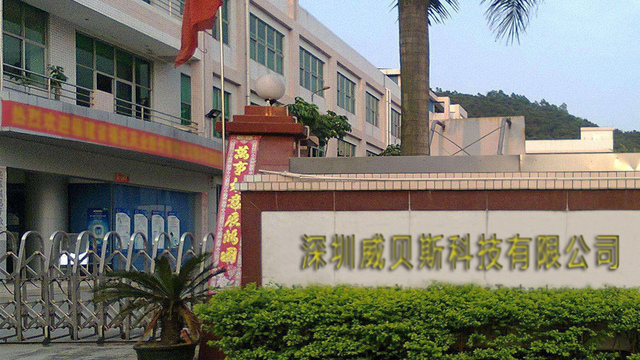
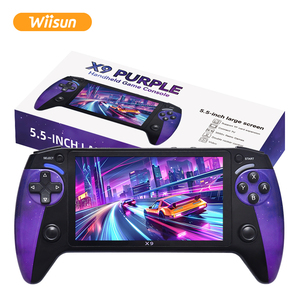
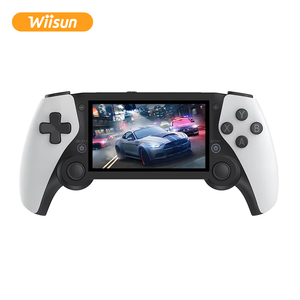
| Shantou Wiisun Electronic Co., Ltd. | Shantou, CN | Multispecialty Supplier | US $610,000+ | 99% | ≤2h | <15% | Color, material, size, logo, packaging, label, graphic | 1–500 pcs |
Performance Analysis
Top-tier suppliers like Shantou Wiisun and Shenzhen Mooden demonstrate strong operational efficiency with on-time delivery rates above 99%, sub-2-hour response times, and robust online sales volumes exceeding US $500,000 annually. These companies also offer comprehensive customization packages suitable for branded retail or private-label distribution. Shenzhen Qbuy stands out for balancing high delivery reliability (98%) with flexible single-unit sampling. In contrast, Shenzhen Aulan exhibits a higher reorder rate (27%), suggesting stronger end-user satisfaction despite lower revenue volume. ONTER, while responsive, lacks transparency on delivery performance and financial activity, increasing procurement risk.
FAQs
How to verify retro gaming emulator supplier reliability?
Cross-check declared on-time delivery rates and response times against platform-verified transaction histories. Request evidence of past export shipments, preferably to regulated markets (EU, North America). Conduct video audits to confirm in-house production and testing procedures, particularly for firmware loading and stress testing.
What is the typical sampling timeline?
Standard emulator units are typically available as samples within 3–7 days. Devices requiring custom firmware or physical modifications may take 10–15 days. Air shipping adds 5–10 business days depending on destination.
Can suppliers ship retro gaming emulators worldwide?
Yes, most suppliers support international shipping via express carriers or sea freight. Confirm Incoterms (e.g., FOB, CIF) and ensure compliance with local electronic import regulations, especially regarding power adapters and electromagnetic compatibility (EMC).
Do manufacturers provide free samples?
Free samples are uncommon. Most suppliers charge full price for initial units, though costs may be credited toward subsequent bulk orders. Volume buyers (≥100 units) often negotiate waived sampling fees.
How to initiate customization requests?
Submit detailed specifications including desired screen size, storage capacity, OS version, pre-installed games, and branding elements. Reputable suppliers will respond with technical feasibility assessments, cost breakdowns, and mockup visuals within 48–72 hours.





