Software Wms





 0
0




 1/11
1/11

 CN
CN


 1/2
1/2




 1/3
1/3



 1/20
1/20




 1/3
1/3


 1/3
1/3
 CN
CN


 1/3
1/3


 1/3
1/3











 1/3
1/3


 1/27
1/27




 1/3
1/3





 1/3
1/3




 1/3
1/3





 1/15
1/15



 1/44
1/44










 1/3
1/3
About software wms
Where to Find Software WMS Suppliers?
The global market for warehouse management system (WMS) software is highly decentralized, with leading development hubs concentrated in technology-forward regions including China's Guangdong and Jiangsu provinces, India’s Hyderabad and Bengaluru corridors, and Eastern European centers such as Kyiv and Bucharest. These clusters offer mature IT ecosystems supported by large pools of certified software engineers, agile development frameworks, and competitive labor rates—enabling cost-efficient delivery without compromising technical depth.
Suppliers in these regions leverage scalable cloud infrastructure and modular coding architectures to support rapid deployment across diverse logistics environments. Proximity to manufacturing and distribution zones in Asia provides strategic alignment for integrated supply chain solutions, particularly for clients seeking real-time inventory synchronization with ERP and TMS platforms. Buyers benefit from lower total cost of ownership, with development costs averaging 40–60% below North American or Western European counterparts, while maintaining compliance with international data security standards.
How to Choose Software WMS Suppliers?
Adopt rigorous evaluation criteria to ensure technical reliability and long-term system sustainability:
Technical Compliance
Require documented adherence to ISO/IEC 27001 for information security management. For regulated industries (pharmaceuticals, aerospace), confirm compliance with FDA 21 CFR Part 11 or GAMP 5 where electronic record integrity is mandatory. Validate integration capabilities with common protocols such as RESTful APIs, EDI, and OAuth 2.0 for secure third-party connectivity.
Development Capability Assessment
Evaluate supplier competency through:
- Minimum team size of 25+ full-stack developers and QA specialists
- Demonstrated experience in cloud-native deployments (AWS, Azure, or GCP)
- In-house DevOps pipeline with CI/CD implementation and automated testing coverage >80%
Cross-reference project portfolios with client case studies showing successful implementations in similar warehouse volumes (e.g., 10,000+ SKUs or multi-DC operations).
Transaction Safeguards
Implement phased payment structures tied to milestone deliveries—require source code escrow agreements prior to final release. Prioritize suppliers offering UAT (User Acceptance Testing) windows of at least two weeks and post-launch support SLAs guaranteeing response times under 4 hours for critical bugs. Independent penetration testing is recommended before production rollout.
What Are the Best Software WMS Suppliers?
No verified supplier data is currently available for analysis.
Performance Analysis
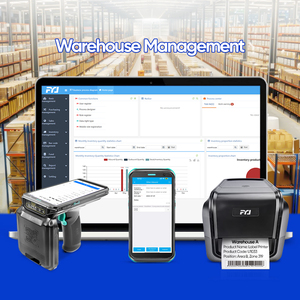
In absence of specific supplier profiles, procurement teams should focus on vendors demonstrating transparent development workflows, auditable quality control processes, and verifiable export experience in cross-border SaaS deployments. Preference should be given to firms with established track records in deploying scalable, multi-tenant WMS platforms compliant with GDPR, CCPA, or other regional data privacy regulations. Conduct live demonstrations and sandbox trials to evaluate UI/UX efficiency, reporting accuracy, and mobile scanning functionality prior to contract execution.
FAQs
How to verify software WMS supplier reliability?
Request audit trails of past deployments, including client references and system uptime metrics. Confirm certification status through official registries and review third-party security assessments such as SOC 2 Type II reports. Assess financial stability via business registration documents and operational history exceeding three years.
What is the average implementation timeline?
Standard cloud-based WMS deployments require 8–12 weeks, including configuration, data migration, and staff training. Complex integrations involving legacy systems or custom automation logic may extend timelines to 16–20 weeks. Pilot modules can typically be provisioned within 2–3 weeks for evaluation purposes.
Can suppliers deploy WMS software globally?
Yes, most established providers support worldwide deployment via cloud hosting with region-specific data residency options. Confirm compliance with local data sovereignty laws and availability of multilingual interfaces and multi-currency support for international operations.
Do manufacturers provide free trial or demo versions?
Sample policies vary. Many suppliers offer time-limited sandbox environments (30-day access) at no cost. Full trial deployments with live data integration are typically offered only after signed NDA and preliminary scoping sessions.
How to initiate customization requests?
Submit detailed functional specifications including required workflows (receiving, putaway, cycle counting), integration endpoints, user role hierarchies, and reporting templates. Reputable vendors provide wireframes within 5 business days and MVP builds within 4–6 weeks for approved scopes.





