





Tool And Tool Box Sets







 Top sponsor listing





 1/3
1/3




 0
0




 1/3
1/3

 0
0






 1/3
1/3




 1/3
1/3


 0
0


 1/3
1/3




 1/3
1/3


 0
0



 1/3
1/3




 1/1
1/1




 1/3
1/3


 1/3
1/3


 1/12
1/12


 0
0
About tool and tool box sets
Where to Find Tool and Tool Box Sets Suppliers?
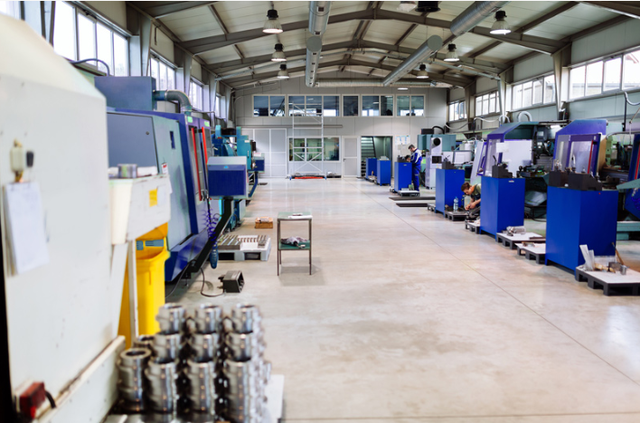
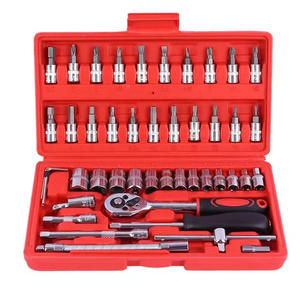
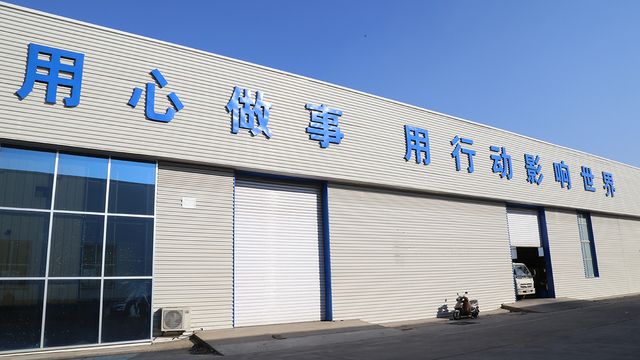
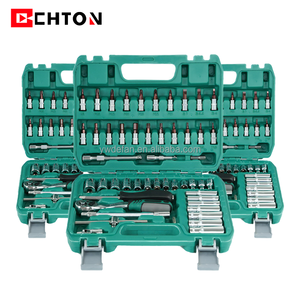
China remains the dominant global manufacturing hub for tool and tool box sets, with concentrated production clusters in Zhejiang, Jiangsu, and Guangdong provinces. These regions host vertically integrated supply chains that encompass forging, heat treatment, precision machining, and powder coating processes, enabling end-to-end production under one industrial ecosystem. Zhejiang’s Yiwu and Ningbo zones specialize in hand tools and compact tool kits, leveraging proximity to port infrastructure for efficient export logistics. Meanwhile, Guangdong’s Dongguan and Foshan districts focus on premium-grade alloy steel tools and modular toolbox systems, supported by advanced CNC fabrication and robotic assembly lines.
The clustering effect allows suppliers to achieve economies of scale, reducing component procurement lead times and lowering unit costs by 20–35% compared to non-specialized manufacturers. Facilities within these zones typically operate within tight geographic proximity—often less than 30km—to raw material distributors, plating services, and packaging providers. This integration supports rapid order turnaround, with standard lead times averaging 25–40 days for container-sized shipments. Buyers benefit from flexible MOQs (as low as 100 units for basic sets) and scalable output capacity, with top-tier factories capable of producing over 50,000 units monthly.
How to Choose Tool and Tool Box Sets Suppliers?
Effective supplier selection requires structured evaluation across three core dimensions:
Quality Assurance and Compliance
Confirm adherence to international quality standards such as ISO 9001 for quality management systems. For markets in Europe and North America, CE marking and RoHS compliance are essential for regulatory clearance, particularly for tool coatings and plastic components. Request test reports verifying material hardness (HRC 58–62 for chrome vanadium steel tools), corrosion resistance (salt spray testing ≥48 hours), and structural integrity of toolboxes (load-bearing tests up to 50kg).
Production Infrastructure Assessment
Evaluate operational scale and technical capability through the following indicators:
- Minimum factory area of 3,000m² to support batch production
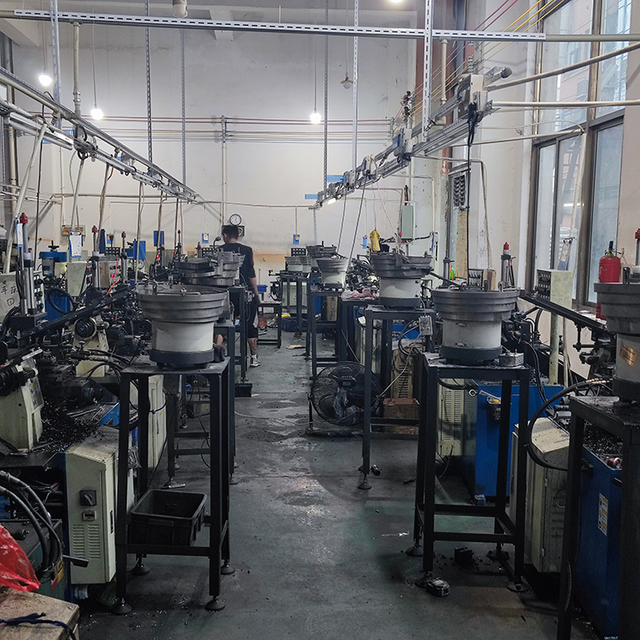
- In-house processing capabilities including drop-forging, CNC threading, induction hardening, and automated painting lines
- Dedicated quality control stations with coordinate measuring machines (CMM) and tensile testers
Validate production stability by reviewing on-time delivery performance (target ≥97%) and defect rates (acceptable threshold: ≤1.5%).
Procurement Risk Mitigation
Utilize secure transaction methods such as third-party escrow or letter of credit (L/C) terms until post-arrival inspection is completed. Prioritize suppliers with documented export experience to your target market, confirmed through shipping records or bill of lading samples. Conduct pre-shipment inspections via third-party agencies like SGS or TÜV to verify packaging durability, labeling accuracy, and product conformity. Sampling is strongly advised—request functional testing of a full set to assess ergonomics, finish consistency, and organizational layout before mass production.
What Are the Best Tool and Tool Box Sets Suppliers?
No supplier data available for analysis.
Performance Analysis
In the absence of specific supplier profiles, buyers should prioritize manufacturers demonstrating verifiable investment in production automation and quality control infrastructure. Long-term industry presence (5+ years), consistent facility scale (≥5,000m²), and certifications aligned with target markets serve as reliable proxies for reliability. Responsiveness metrics—such as average inquiry reply time under 4 hours—and documented reorder rates above 25% indicate strong customer satisfaction and service efficiency. When evaluating new suppliers, insist on video audits of forging lines, heat treatment chambers, and final assembly zones to confirm process transparency.
FAQs
How to verify tool and tool box set supplier reliability?
Cross-validate ISO and product-specific certifications with issuing bodies. Request audit trails covering raw material sourcing (e.g., SAE-grade steel mill certifications), in-process QC logs, and finished goods inspection records. Analyze buyer testimonials focusing on long-term product performance and responsiveness to warranty claims.
What is the typical sampling timeline?
Standard sample sets are typically produced within 7–14 days. Custom configurations involving unique tool assortments, branding, or specialized cases may require 20–30 days. Air freight adds 5–10 days for international delivery depending on destination region.
Can suppliers ship tool sets worldwide?
Yes, experienced exporters manage global shipments via FOB, CIF, or DDP terms. Confirm compatibility with local import regulations regarding packaging materials, labeling (multilingual requirements), and metal content restrictions. Full-container loads (FCL) via sea freight offer optimal cost efficiency for bulk orders exceeding 1,000 units.
Do manufacturers provide free samples?
Sample policies vary. Many suppliers waive fees for qualified buyers committing to minimum order volumes (typically 500+ units). Otherwise, expect to cover 40–60% of sample production and shipping costs, which may be credited against future orders.
How to initiate customization requests?
Submit detailed specifications including tool types (e.g., combination wrenches, screwdrivers, pliers), steel grade (e.g., Cr-V or S2 alloy), handle ergonomics, case dimensions, foam insert layout, and branding requirements (laser engraving, silk screening). Reputable suppliers will return CAD drawings or physical prototypes within 5–10 business days for approval prior to tooling setup.





