



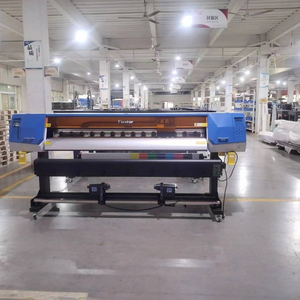
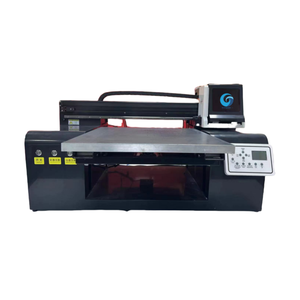
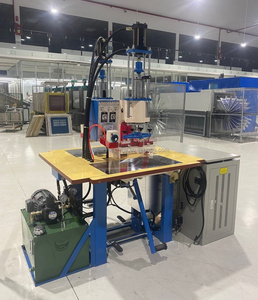
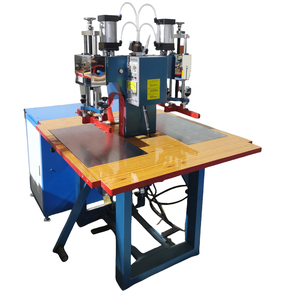
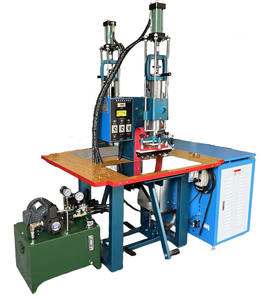
Tpu Badge Printing Machine Producer





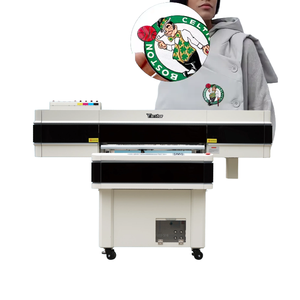

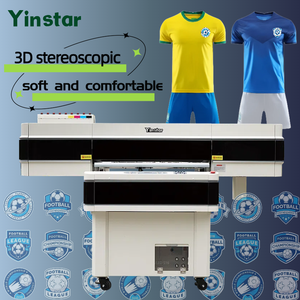
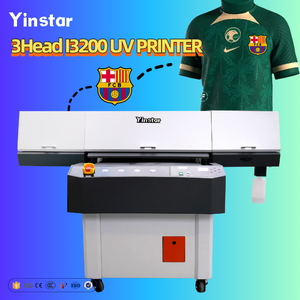


 1/8
1/8


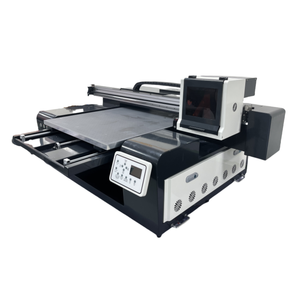
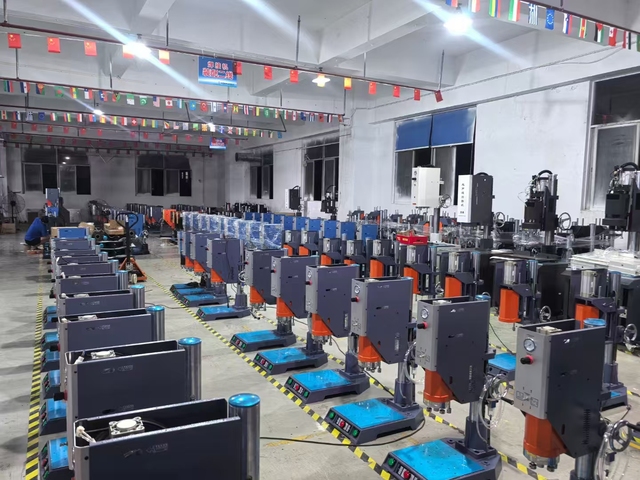 1/3
1/3

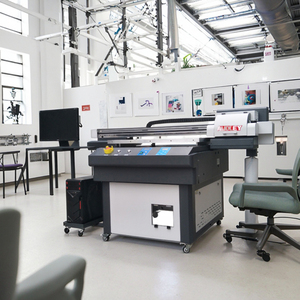
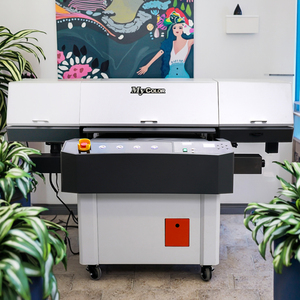












 1/3
1/3








 1/33
1/33


 1/3
1/3


 1/31
1/31







 0
0


 1/3
1/3


 1/12
1/12



 1/9
1/9







 1/13
1/13


 1/11
1/11
About tpu badge printing machine producer
Where to Find TPU Badge Printing Machine Producers?
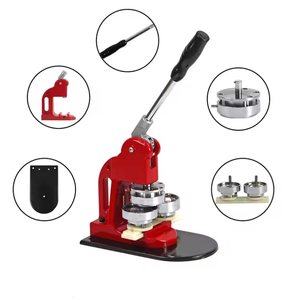
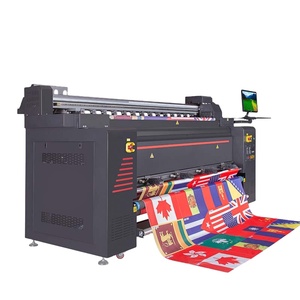
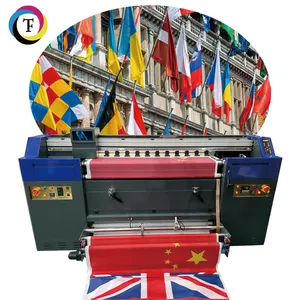
China remains the central hub for industrial-grade TPU badge printing machine manufacturing, with key production clusters in Guangdong and Zhejiang provinces. Guangdong, particularly the Pearl River Delta region, hosts over 70% of China’s digital textile and polymer-based printing equipment suppliers, supported by Shenzhen’s advanced electronics supply chain and Dongguan’s precision machinery infrastructure. This concentration enables seamless integration of thermal control systems, silicone mold tooling, and automated feeding mechanisms critical to high-volume TPU badge production.
Zhejiang’s Hangzhou and Ningbo zones specialize in hybrid printing systems combining UV curing and heat press technologies, leveraging localized access to engineering plastics and elastomer processing units. These clusters operate under vertically integrated models—encompassing CNC mold fabrication, firmware development, and final assembly—reducing component procurement lead times by 25–40%. Buyers benefit from consolidated ecosystems where raw material suppliers, automation engineers, and export logistics providers are within a 60km radius, enabling standard order fulfillment in 35–50 days and production cost advantages of 18–30% compared to European or North American manufacturers.
How to Choose TPU Badge Printing Machine Producers?
Implement structured evaluation criteria to ensure technical reliability and supply chain resilience:
Quality Management Standards
Confirm ISO 9001 certification as a baseline for consistent production processes. For markets requiring environmental compliance, verify RoHS and REACH declarations, particularly regarding plasticizer content in heated molds. CE marking is essential for EU market entry, indicating conformity with electromagnetic compatibility (EMC) and low-voltage directives applicable to embedded control systems.
Production Infrastructure Assessment
Evaluate core operational capabilities through documented evidence:
- Minimum 3,000m² factory area with dedicated clean zones for mold calibration
- In-house R&D teams managing firmware, thermal regulation algorithms, and pressure calibration (ideally ≥12% of total staff)
- Integrated CNC machining and silicone mold production lines to support custom badge shapes and sizes
Correlate facility scale with on-time delivery performance (target ≥96%) and monthly output capacity (typically 80–200 units per line).
Procurement Risk Mitigation
Utilize third-party inspection services upon shipment arrival, especially for first-time engagements. Review transaction history via verified trade platforms, prioritizing producers with documented after-sales service records and spare parts availability. Conduct sample testing to evaluate print consistency, demolding efficiency, and energy consumption under continuous operation before scaling orders.
What Are the Best TPU Badge Printing Machine Producers?
| Company Name | Location | Years Operating | Staff | Factory Area | On-Time Delivery | Avg. Response | Ratings | Reorder Rate |
|---|---|---|---|---|---|---|---|---|
| Supplier data currently unavailable. Recommend initiating RFQs with certified manufacturers in Guangdong and Zhejiang for updated profiles. | ||||||||
Performance Analysis
While specific supplier data is not available, historical trends indicate that established producers in Dongguan and Shenzhen typically offer higher scalability due to larger factory footprints and automation integration. Newer entrants in Ningbo demonstrate stronger responsiveness, often achieving sub-3-hour communication cycles and faster prototype turnaround. Prioritize manufacturers with documented experience in thermoplastic polyurethane (TPU) applications, as material-specific knowledge directly impacts mold release performance and edge definition accuracy. For customized configurations, confirm firmware adaptability and support for multi-cavity molds before finalizing contracts.
FAQs
How to verify TPU badge printing machine producer credibility?
Validate certifications through official databases and request audit reports covering material traceability, electrical safety testing, and quality control checkpoints. Assess real-world performance through client references focusing on machine uptime, defect rates, and technical support responsiveness.
What is the typical sampling timeline for TPU printing machines?
Standard machine samples require 20–30 days for production, including mold setup and system calibration. Custom configurations with specialized heating plates or PLC interfaces may extend to 45 days. Air freight shipping adds 5–9 days internationally.
Can TPU badge printing machine producers ship globally?
Yes, most manufacturers support international shipments under FOB or CIF terms. Confirm packaging standards for shock-sensitive components and verify compliance with destination country regulations for industrial electrical equipment. Sea freight is optimal for containerized orders of 5+ units.
Do producers provide free machine samples?
Sample policies vary. Full machine samples are rarely offered at no cost due to high production value. However, some producers waive fees for pilot orders exceeding 3 units or apply sample costs as credit toward bulk purchases.
How to initiate customization requests?
Submit detailed specifications including badge dimensions (diameter/thickness), cycle time requirements (e.g., ≤45 seconds per unit), mold cavity count (single to 8-up), and interface preferences (touchscreen HMI, USB/SD firmware updates). Leading producers provide system schematics within 72 hours and functional prototypes within 4 weeks.





