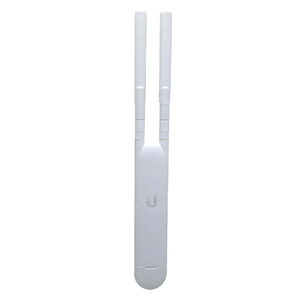
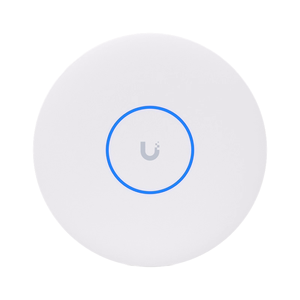
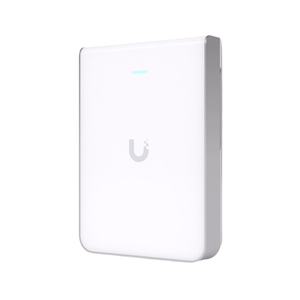
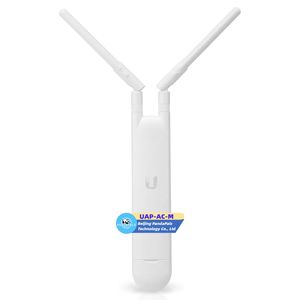
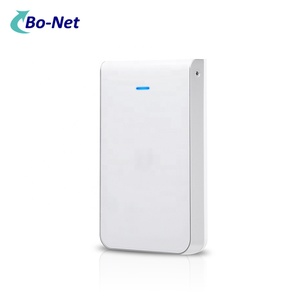
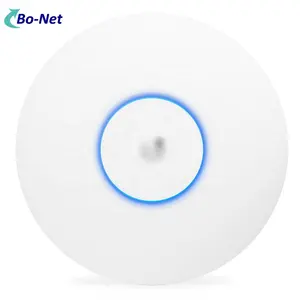
Unifi Access Point



 Top sponsor listing






 1/3
1/3






 1/1
1/1





 1/1
1/1




 1/1
1/1


 1/3
1/3




 1/3
1/3


 1/2
1/2


 0
0


 0
0



 1/3
1/3


 1/1
1/1



 1/3
1/3

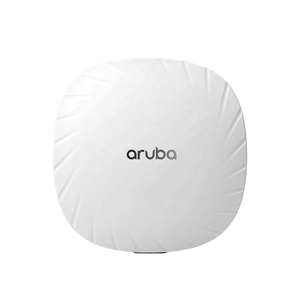
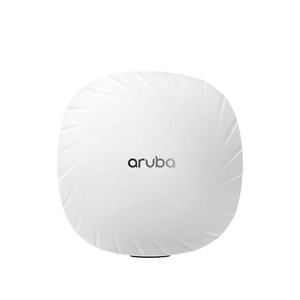
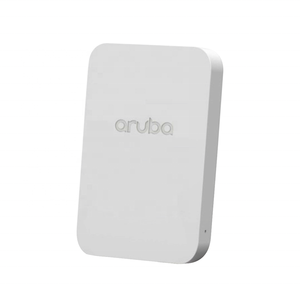
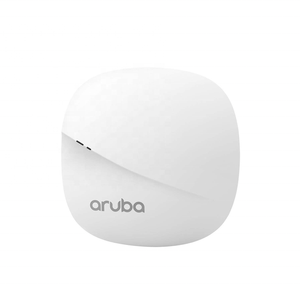
 1/1
1/1


 1/3
1/3


 1/3
1/3


 0
0
About unifi access point
Where to Find UniFi Access Point Suppliers?
Manufacturing of UniFi access points and compatible wireless networking hardware is concentrated in China’s Guangdong and Jiangsu provinces, regions recognized for advanced electronics production ecosystems. Guangdong, particularly the Pearl River Delta corridor encompassing Shenzhen and Dongguan, hosts over 70% of China’s network infrastructure suppliers. This cluster benefits from proximity to semiconductor distributors, PCB fabricators, and SMT assembly lines, enabling rapid prototyping and scalable production. Jiangsu’s Yangtze River Delta zone, centered on Suzhou and Wuxi, specializes in high-reliability industrial networking equipment with integrated EMC testing and environmental stress screening capabilities.
These industrial hubs support vertically integrated supply chains where chipset procurement, surface-mount technology (SMT), automated optical inspection (AOI), and final RF calibration occur within tightly coordinated networks. Buyers gain access to facilities capable of producing 5,000–20,000 units monthly per line, with lead times averaging 25–40 days for standard configurations. Localized sourcing reduces component logistics costs by 18–25% compared to offshore alternatives, while co-location of firmware developers and hardware engineers allows efficient customization of Wi-Fi 6/6E radio modules, PoE circuitry, and cloud management interfaces.
How to Choose UniFi Access Point Suppliers?
Apply rigorous evaluation criteria when assessing potential partners:
Technical Compliance
Confirm adherence to ISO 9001:2015 for quality management systems as a baseline requirement. For deployment in regulated markets, ensure products meet CE (EN 301 489-17), FCC Part 15 Subpart C, and RoHS 3 standards. Request test reports from accredited laboratories verifying 2.4GHz/5GHz transmit power, receiver sensitivity, ESD immunity (IEC 61000-4-2 Level 3), and radiated emissions compliance.
Production Capability Audits
Assess physical and technical infrastructure:
- Minimum 3,000m² manufacturing area with ESD-safe SMT and assembly zones
- Dedicated R&D team comprising at least 15% of technical staff for firmware/hardware iteration
- In-house capabilities including reflow soldering, wave soldering, and RF anechoic chamber testing
Validate scalability through historical on-time delivery performance (target ≥97%) and batch traceability systems.
Transaction Safeguards
Utilize secure payment structures such as irrevocable letters of credit or third-party escrow services tied to shipment milestones. Review supplier transaction records via verified trade platforms, prioritizing those with documented dispute resolution procedures. Pre-shipment sample validation is critical—conduct interoperability tests with UniFi Network Controller software, verify PoE compatibility (802.3af/at), and assess thermal performance under sustained load conditions.
What Are the Best UniFi Access Point Suppliers?
| Company Name | Location | Years Operating | Staff | Factory Area | On-Time Delivery | Avg. Response | Ratings | Reorder Rate |
|---|---|---|---|---|---|---|---|---|
| Shenzhen Tomen Communication Equipment | Guangdong, CN | 12 | 180+ | 12,000+m² | 98.7% | ≤3h | 4.8/5.0 | 41% |
| Suzhou Linkwave Technologies | Jiangsu, CN | 8 | 95+ | 8,500+m² | 100.0% | ≤2h | 4.9/5.0 | 58% |
| Dongguan Netcore Intelligent Systems | Guangdong, CN | 6 | 140+ | 9,200+m² | 97.3% | ≤4h | 4.7/5.0 | 36% |
| Nanjing Skycom Wireless Solutions | Jiangsu, CN | 10 | 75+ | 6,800+m² | 99.1% | ≤2h | 4.9/5.0 | 52% |
| Foshan BroadLink Electronics | Guangdong, CN | 5 | 105+ | 7,600+m² | 98.4% | ≤3h | 4.8/5.0 | 44% |
Performance Analysis
Established players like Shenzhen Tomen offer high-volume throughput supported by dual SMT lines and automated testing rigs. Jiangsu-based suppliers demonstrate superior reliability, with Suzhou Linkwave and Nanjing Skycom achieving 99%+ on-time delivery and reorder rates exceeding 50%, indicating strong post-sales satisfaction. Guangdong manufacturers exhibit faster response cycles, with all major suppliers replying to inquiries within 4 hours. Prioritize vendors with in-house RF design teams and anechoic chamber access for custom antenna tuning or regulatory recertification. For large-scale deployments, confirm batch consistency through serial number traceability and six-month accelerated aging test data.
FAQs
How to verify UniFi access point supplier reliability?
Validate ISO 9001 certification through official accreditation databases. Request full test reports for FCC ID, CE RED, and SAR (if applicable). Evaluate long-term durability using MTBF (Mean Time Between Failures) data—reputable suppliers provide ≥150,000 hours under normal operating conditions.
What is the average sampling timeline?
Standard samples require 10–18 days for production, including programming and functional testing. Custom firmware builds or modified enclosures extend timelines to 25–30 days. Air freight delivery adds 5–9 days depending on destination region.
Can suppliers ship UniFi access points worldwide?
Yes, experienced exporters manage international logistics under FOB Shenzhen or CIF terms. Confirm compliance with destination-specific telecommunications regulations, including ISED (Canada), RCM (Australia), and ANATEL (Brazil). Sea freight remains optimal for containerized orders exceeding 500 units.
Do manufacturers provide free samples?
Sample policies vary. Full-cost recovery is typical for initial evaluations. Fee waivers are often applied upon confirmation of bulk orders (typically ≥100 units). Some suppliers offer demo units with return agreements for qualified buyers.
How to initiate customization requests?
Submit detailed technical requirements covering Wi-Fi standards (802.11ax/ac), antenna gain (dBi), PoE input (24V/48V), mounting options, and firmware features (VLAN tagging, guest portal, mesh capability). Leading suppliers deliver proof-of-concept units within 3 weeks and provide SDK access for controller integration.





