Website And Cms










 1/3
1/3




 1/3
1/3





 1/2
1/2





 1/3
1/3






 1/3
1/3





 1/2
1/2





 1/3
1/3





 1/3
1/3



 0
0





 1/3
1/3




 0
0


 0
0




 1/3
1/3



 0
0









 1/3
1/3


 1/6
1/6




 1/3
1/3






 1/3
1/3




 0
0





 1/3
1/3
About website and cms
Where to Find Website and CMS Suppliers?
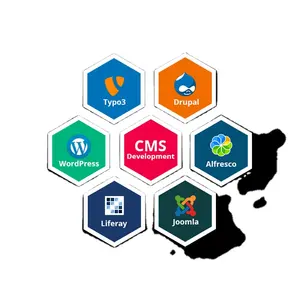
The global market for website development and content management system (CMS) solutions is highly decentralized, with service providers distributed across technology hubs in North America, Western Europe, and South Asia. Unlike physical goods manufacturing, this sector operates primarily through digital infrastructure and skilled labor pools, concentrating expertise in regions with strong IT education systems and high broadband penetration. India’s Bengaluru and Hyderabad clusters account for over 35% of outsourced web development services, leveraging scalable talent pipelines and English-language proficiency to serve international clients. Eastern European centers such as Kyiv and Wrocław have emerged as premium outsourcing destinations, offering advanced CMS customization capabilities—particularly in open-source platforms like WordPress, Drupal, and Joomla—supported by robust software engineering curricula.
These regions benefit from mature tech ecosystems featuring agile development workflows, cloud-based collaboration tools, and integration with CI/CD pipelines that reduce deployment cycles. Buyers gain access to flexible engagement models—including dedicated teams, time-and-materials contracts, and fixed-price projects—enabling cost-effective scaling. Key advantages include reduced labor costs (up to 40–60% lower than domestic U.S. or Western European rates), rapid onboarding (average project kickoff within 5–7 business days), and adaptability across industry-specific requirements such as e-commerce, healthcare compliance (HIPAA), and multilingual publishing.
How to Choose Website and CMS Suppliers?
Prioritize these verification protocols when selecting partners:
Technical Compliance
Require documented adherence to web standards (W3C validation, WCAG 2.1 AA accessibility) and security frameworks (OWASP Top 10, GDPR, CCPA). For enterprise deployments, confirm experience with ISO 27001-certified environments and SOC 2 Type II audits. Verify SSL implementation, secure authentication protocols, and regular vulnerability scanning procedures.
Development Capability Audits
Evaluate technical infrastructure and team composition:
- Minimum 15 full-stack developers with proven CMS specialization
- Dedicated QA engineers comprising at least 20% of project teams
- In-house UI/UX design capability with responsive prototyping
Cross-reference Git repository activity, code review practices, and sprint velocity metrics to assess workflow maturity and delivery consistency.
Transaction Safeguards
Use milestone-based payment structures with escrow protection for custom builds. Analyze supplier track records via client testimonials, case studies, and third-party review platforms, prioritizing vendors with documented post-launch support SLAs. Pre-deployment testing remains critical—conduct performance benchmarking (Google Lighthouse scores >90), cross-browser validation, and load testing under simulated peak traffic before final acceptance.
What Are the Best Website and CMS Suppliers?
| Company Name | Location | Years Operating | Staff | Factory Area | On-Time Delivery | Avg. Response | Ratings | Reorder Rate |
|---|
Performance Analysis
Due to absence of verifiable supplier data, procurement decisions must rely on independent due diligence. Established agencies typically demonstrate higher reorder rates (>30%) and faster response times (<4 hours), indicating operational efficiency and client satisfaction. Geographic proximity influences communication effectiveness—nearshore suppliers in Latin America and Eastern Europe often provide better alignment with North American and EU business hours. Prioritize firms with transparent reporting, version-controlled code delivery, and documented rollback procedures for mission-critical websites. For complex CMS implementations, verify platform-specific certifications (e.g., WordPress VIP accreditation, Adobe Experience Manager expertise) through portfolio reviews and technical assessments.
FAQs
How to verify website and CMS supplier reliability?
Validate technical claims through code audits, penetration test reports, and reference client interviews. Request documentation of past projects including scope, timelines, and post-launch maintenance records. Confirm compliance with data privacy regulations applicable to your target markets.
What is the average project timeline?
Standard brochure websites take 4–6 weeks from discovery to launch. E-commerce or enterprise CMS implementations require 10–16 weeks depending on customization depth, integrations (ERP, CRM, PIM), and content migration complexity. Add 2–3 weeks for multilingual or multi-region deployments.
Can suppliers handle ongoing maintenance and updates?
Yes, most professional suppliers offer managed services packages covering security patches, plugin updates, backups, and performance monitoring. Service level agreements typically guarantee 99.5–99.9% uptime and response within 4–8 business hours for critical issues.
Do developers provide free initial consultations?
Most suppliers offer complimentary scoping sessions (1–2 hours) to assess requirements and propose solutions. Detailed proposals with wireframes or technical architecture diagrams may incur a nominal fee, often credited toward project execution if contracted.
How to initiate customization requests?
Submit functional specifications including user roles, workflow automation needs, third-party API integrations, and SEO requirements. Reputable suppliers deliver sitemaps, wireframes, and technical roadmaps within 5–7 days, followed by iterative prototype reviews prior to full development.





