
In an era where home cooks seek authenticity, depth, and novelty in their dishes, the use of exotic spices has become a defining mark of culinary sophistication. While staples like cumin, paprika, and turmeric remain kitchen essentials, a new wave of globally sourced \"e-spices\"—exotic, expressive, and often underused—offers transformative potential. These are not mere seasonings; they are flavor catalysts capable of redefining soups, meats, vegetables, and even desserts. From the smoky depths of Andean ají amarillo to the citrusy punch of Ethiopian mitmita, these ten e-spices represent the frontier of modern gastronomy. Understanding their origins, characteristics, and applications allows cooks to move beyond imitation and into true flavor innovation.
Definition & Overview
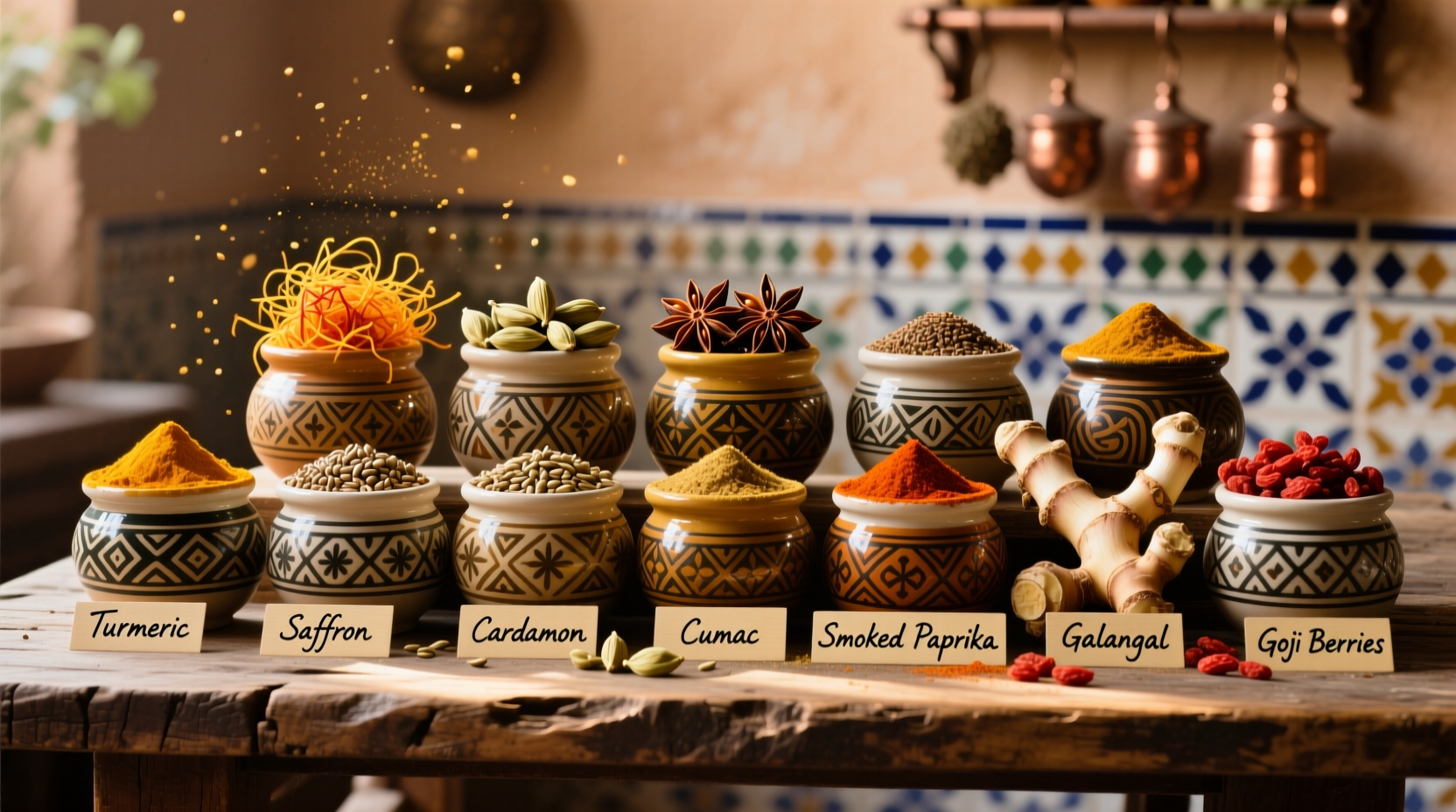
The term e-spices refers to a category of highly aromatic, region-specific ground spices or spice blends that originate from traditional cuisines but have gained international attention due to increased accessibility through online markets (hence the “e”). Unlike generic supermarket spices, e-spices are often single-origin, artisanally processed, and used in precise cultural contexts. They include both singular botanicals and complex blends passed down through generations. Their appeal lies in their intensity, complexity, and ability to impart a sense of place—a spoonful of ras el hanout can evoke the souks of Marrakech; a pinch of sansho pepper brings the alpine forests of Japan to your plate.
These ingredients are no longer confined to specialty stores or ethnic markets. With e-commerce platforms offering vacuum-sealed, lab-tested, and sustainably sourced options, chefs and home cooks alike can experiment with confidence. What sets e-spices apart is not just their rarity but their functional versatility—they don’t merely add heat or aroma; they structure flavor profiles, balance textures, and enhance umami in ways familiar spices cannot.
Key Characteristics of Exotic E-Spices
Each e-spice possesses a unique fingerprint of taste, aroma, color, and function. Below is a comparative overview of the ten featured spices:
| Spice Name | Origin | Flavor Profile | Heat Level (Scoville) | Primary Use | Shelf Life |
|---|---|---|---|---|---|
| Ají Amarillo | Peru | Fruity, tropical, mildly spicy | 30,000–50,000 | Sauces, stews, marinades | 2 years (ground) |
| Ras el Hanout | Morocco | Warm, floral, slightly sweet | Variable (usually mild) | Tagines, rice, grilled meats | 1.5 years |
| Sichuan Peppercorn (Zanthoxylum) | China | Citrusy, numbing, tingling | Non-thermal (paresthetic) | Dry rubs, stir-fries, sauces | 2 years (whole) |
| Grains of Paradise | West Africa | Pungent, peppery, cardamom-like | Low to moderate | Meat curing, craft brewing | 3 years (whole) |
| Asafoetida (Hing) | Iran/India | Pungent, garlicky, sulfurous (raw); savory when cooked | None | Vegetarian dishes, lentils | 4+ years (resin form) |
| Long Pepper (Pippali) | India/Indonesia | Complex heat, sweet-spicy finish | 10,000–20,000 | Curries, braises, pickles | 2.5 years (whole) |
| Sumac | Middle East | Tart, lemony, earthy | None | Salads, kebabs, dressings | 2 years |
| Amchoor (Mango Powder) | India | Sour, dried fruit, tangy | None | Chutneys, curries, snacks | 3 years |
| Smoked Paprika (Pimentón de la Vera) | Spain | Smoky, sweet, slightly bitter | Mild to hot (0–5,000) | Stews, chorizo, beans | 2 years |
| Mitmita | Ethiopia | Fiery, citrusy, clove-forward | 80,000–100,000 | Niter kibbeh, raw meat dishes | 1.5 years |
Practical Usage: How to Use Each E-Spice
Ají Amarillo (Peruvian Yellow Chili)
Ají amarillo paste or powder is foundational in Peruvian cuisine. Its bright orange hue and fruity heat make it ideal for creamy sauces like *oca con ají* or seafood stews such as *chupe de camarones*. For home use, blend 1 tsp of paste with sautéed onions, garlic, and evaporated milk to create a base for chicken or vegetable stews. Toasting dried flakes before grinding enhances depth. Avoid boiling for extended periods, which dulls its vibrancy.
Tip: Substitute for yellow bell pepper + cayenne in a 2:1 ratio when unavailable, though the authentic fruitiness will be lost.
Ras el Hanout (“Top of the Shelf” Blend)
This Moroccan blend varies by vendor but typically includes cardamom, cumin, cinnamon, clove, nutmeg, and sometimes rose petals or monkshood (non-toxic in trace amounts). Use 1–2 tsp per pound of meat in slow-cooked tagines. It pairs exceptionally well with lamb, apricots, and almonds. Sprinkle lightly over couscous or roasted carrots for instant complexity.
Sichuan Peppercorn
Not a true pepper, this berry husk induces a tingling, numbing sensation known as *ma*. Dry-toast whole berries lightly, then grind just before use. Combine with chili oil in Mapo Tofu or dry-rub on grilled eggplant. Do not confuse with black or white pepper—its effect is neurological, not thermal.
Grains of Paradise
An ancient West African substitute for black pepper, this seed offers a warm, citrusy bite with hints of ginger and coriander. Grind fresh and use in charcuterie, spice crusts for steak, or even in dark chocolate desserts. Craft brewers use it in saison-style beers for its peppery lift.
Asafoetida (Hing)
A resin derived from Ferula plants, hing smells intensely of onion and garlic when raw but mellows into a savory umami bomb when fried in oil. Essential in Jain and Brahmin cooking where alliums are avoided. Use a pinch (¼ tsp) in lentil dals or vegetable curries after tempering in hot ghee. Never use directly in uncooked dishes.
Long Pepper (Pippali)
Sweeter and more nuanced than black pepper, long pepper delivers a slow-building heat with notes of cinnamon and nutmeg. Whole pods can be added to simmering broths or infused into oils. Ground, it enhances rich dishes like beef rendang or mushroom risotto. In Ayurveda, it’s prized for digestive properties.
Sumac
Ground from dried sumac berries, this deep red powder adds acidity without moisture—ideal for finishing dishes. Sprinkle over hummus, fattoush salad, or grilled fish. Mix with salt and sesame seeds for *za’atar*-style seasoning. Its tartness cuts through fatty meats like duck or lamb.
Amchoor (Dried Green Mango Powder)
Harvested from unripe mangoes, amchoor imparts a clean sourness that doesn’t curdle dairy. Add ½ tsp to chickpea curries (*chana masala*) or potato dishes (*aloo tikki*). It’s superior to lemon juice when a dry acidulant is needed, preserving texture in fried snacks.
Smoked Paprika (Pimentón de la Vera)
Produced in Spain using oak-smoked red peppers, this comes in three varieties: *dulce* (sweet), *agridulce* (bittersweet), and *picante* (spicy). Stir into tomato sauce for paella, rub on pork shoulder before roasting, or whisk into aioli. Heat destroys its delicate smoke; add near the end of cooking.
Mitmita
An Ethiopian blend of bird’s eye chilies, cardamom, cloves, and salt. Traditionally served with *kitfo* (minced raw beef) or *tibs*. Use sparingly—¼ tsp is sufficient for most palates. Infuse into clarified butter (*niter kibbeh*) for a fiery aromatic fat. Store in airtight jars away from light.
Variants & Types
Many e-spices exist in multiple forms, each suited to different culinary functions:
- Sichuan Peppercorn: Red (more aromatic, common in Sichuan) vs. Green (brighter, more citrusy, used in Yunnan).
- Smoked Paprika: Spanish *Pimentón de la Vera* is PDO-protected; Hungarian smoked paprika may differ in wood type and heat.
- Asafoetida: Available as pure resin, powdered (mixed with rice flour), or compounded with turmeric.
- Ras el Hanout: No standard formula—some blends contain up to 30 spices. Premium versions include saffron or ambergris.
- Ají Amarillo: Fresh pods (seasonal), frozen pulp, freeze-dried powder, or jarred paste. Paste is most accessible for home cooks.
Pro Tip: Buy whole e-spices (like long pepper or grains of paradise) and grind in small batches using a dedicated coffee grinder. This preserves volatile oils and maximizes flavor impact.
Comparison with Similar Ingredients
Confusion often arises between e-spices and more common counterparts. Clarifying distinctions ensures accurate usage:
| E-Spice | Common Confusion | Key Difference |
|---|---|---|
| Sichuan Peppercorn | Black Pepper | Induces numbness (*ma*), not just heat; derived from Zanthoxylum, not Piper nigrum. |
| Asafoetida | Garlic Powder | Strong sulfurous odor raw; transforms completely when cooked; allium-free alternative. |
| Grains of Paradise | Black Pepper | More complex—floral, citrusy, less linear heat; belongs to the ginger family. |
| Amchoor | Lemon Juice | Dry acidulant; won’t alter moisture content or curdle dairy in heated dishes. |
| Sumac | Vinegar | Provides acidity with earthy depth and visual appeal; used as garnish, not liquid agent. |
| Mitmita | Harissa | Dry blend vs. wet paste; contains cardamom/clove, not caraway; much higher Scoville rating. |
“The difference between good food and transcendent food often lies in one unexpected spice. A pinch of asafoetida or a dusting of sumac can recalibrate an entire dish.” — Chef Imène Benmeziane, Culinary Director, Spice Heritage Project
Practical Tips & FAQs
How should I store e-spices?
Keep in airtight glass containers, away from heat, light, and moisture. Whole spices last significantly longer than ground. Label with purchase date. Refrigeration is unnecessary except for fresh pastes like ají amarillo (if opened).
Can I substitute e-spices with common ones?
Partial substitutions are possible but diminish authenticity. For example, smoked paprika can mimic pimentón, but not its exact oak-smoked profile. Mitmita has no true equivalent—bird’s eye chilies with ground cardamom offer a rough approximation.
Are e-spices safe for everyday use?
Yes, when used appropriately. Asafoetida is potent but safe in culinary doses. Sichuan peppercorns are non-toxic despite their numbing effect. Always source from reputable vendors to avoid adulteration.
Which e-spice should I try first?
Begin with smoked paprika or sumac—both are approachable, widely available, and versatile. They introduce smokiness and acidity without overwhelming heat.
Do e-spices lose potency over time?
All ground spices degrade within 6–18 months. Whole forms retain potency for 2–4 years. Perform a smell test: if aroma is faint, replace the spice.
Can I grow my own e-spices?
Some, like grains of paradise or long pepper, require tropical climates. Others, such as sumac berries, grow in temperate zones but take years to yield usable harvest. Most home cooks benefit more from direct sourcing.
Are there allergens in e-spices?
Rare, but possible. Blends like ras el hanout may contain tree nuts or gluten (if mixed with flour). Always check labels, especially for asafoetida, which is often blended with wheat.
Checklist: Buying E-Spices Online
- Verify origin and harvest date.
- Choose vacuum-sealed, opaque packaging.
- Look for third-party lab testing (especially for heavy metals in imported powders).
- Read reviews focusing on aroma and freshness.
- Start with small quantities to test compatibility with your palate.
Summary & Key Takeaways
The world of e-spices opens a gateway to authentic, layered, and adventurous cooking. These ten ingredients—ají amarillo, ras el hanout, Sichuan peppercorn, grains of paradise, asafoetida, long pepper, sumac, amchoor, smoked paprika, and mitmita—are not novelties but essential tools for building dimension in modern cuisine. Each brings a distinct sensory signature: heat, acidity, aroma, or umami, often in combinations unavailable in conventional spice racks.
Success lies in understanding their nature—not just how they taste, but how they behave in heat, how they pair with proteins and vegetables, and how they interact with other seasonings. Prioritize quality sourcing, proper storage, and mindful application. Begin with one or two that align with your preferred cuisines, and gradually expand your repertoire.
Transforming your cooking isn’t about complexity—it’s about intentionality. A single e-spice, used with precision, can elevate a dish from familiar to unforgettable.
Explore one new e-spice each month. Document its use in three different recipes. Notice how it changes not just flavor, but texture, aroma, and perception. The kitchen is your laboratory—let these exotic agents be your guides.




 浙公网安备
33010002000092号
浙公网安备
33010002000092号 浙B2-20120091-4
Comments
No comments yet. Why don't you start the discussion?