
Clothes that carry lingering odors—whether from sweat, mildew, or cooking smoke—are more than just unpleasant; they can shorten the lifespan of your garments and affect confidence. While washing is the obvious solution, not all odors disappear in a standard cycle. Some linger due to bacteria trapped in fibers, detergent buildup, or improper drying. The good news: with targeted strategies, you can eliminate stubborn smells and extend the freshness of your wardrobe. These seven proven methods combine science-backed techniques with everyday household items to deliver lasting results.
1. Wash with vinegar and baking soda
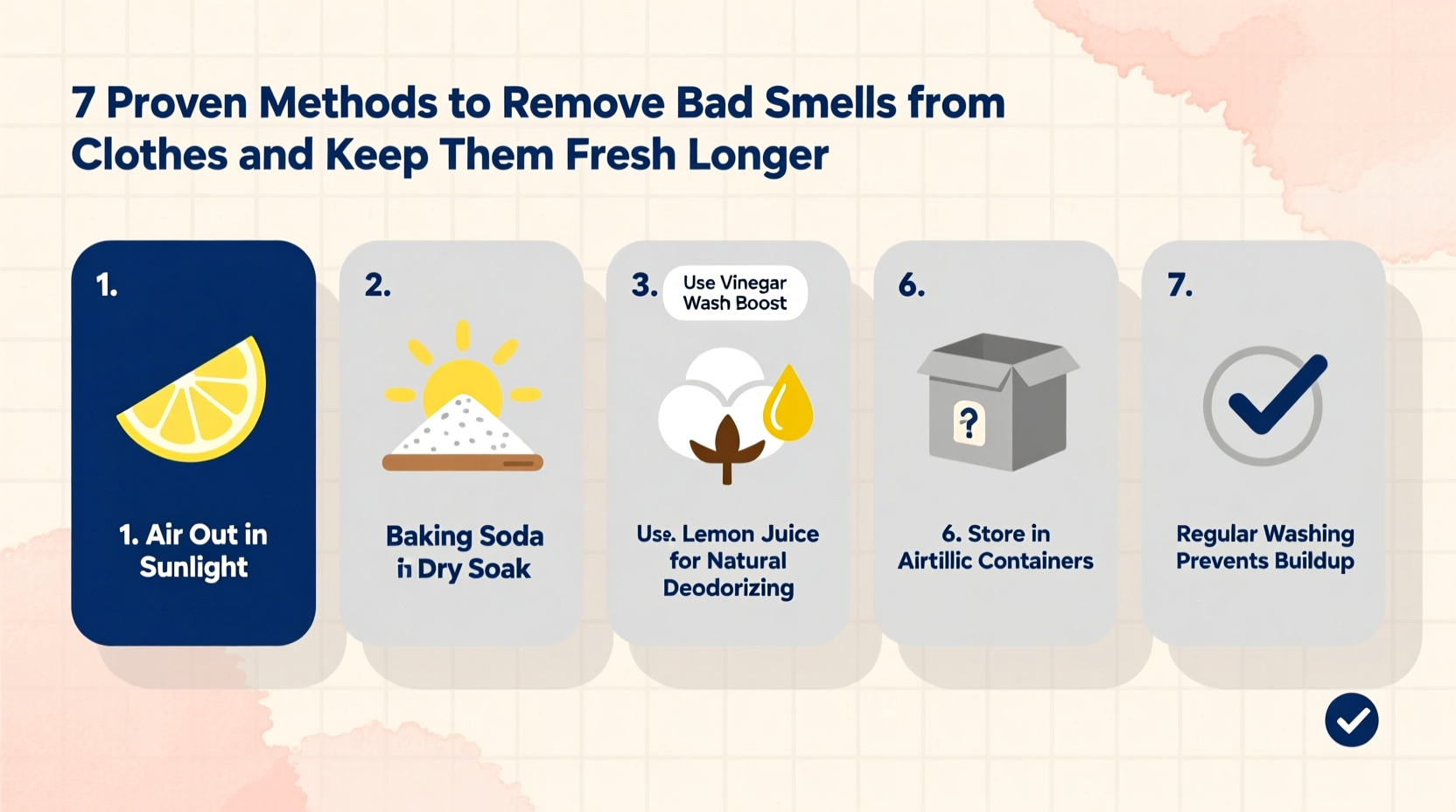
White vinegar and baking soda are two of the most effective natural deodorizers available. Vinegar contains acetic acid, which neutralizes alkaline odor molecules like those from sweat. Baking soda, or sodium bicarbonate, absorbs acidic and basic odors alike, making it ideal for mixed-smell environments such as gym clothes or kitchen aprons.
To use both effectively, add one cup of white vinegar to the rinse cycle and half a cup of baking soda to the wash cycle. Avoid mixing them directly, as they react and lose potency. This combination breaks down residue, softens fabric, and eliminates microbial growth responsible for persistent odors.
2. Use enzyme-based laundry detergents
Synthetic detergents often mask odors rather than eliminate their source. Enzyme-based detergents, however, contain biological agents like protease and lipase that break down organic matter—sweat, oils, food stains—that harbor odor-causing bacteria.
These detergents are especially effective on athletic wear, baby clothes, and towels. Look for labels indicating “bio” or “enzyme-powered.” For best results, wash in warm water (not exceeding garment care instructions) to activate the enzymes. Cold water slows their action but still works over time.
“Enzymes target the root cause of odor by digesting proteins and fats embedded in fabric fibers. They’re a game-changer for active lifestyles.” — Dr. Lena Patel, Textile Scientist at GreenClean Labs
3. Sun-dry clothes when possible
Nature’s oldest disinfectant? Sunlight. Ultraviolet (UV) rays have germicidal properties that kill bacteria and mold spores responsible for musty and sour smells. Additionally, fresh air circulation helps evaporate moisture trapped in fibers, reducing the damp environment where microbes thrive.
Hanging clothes outside after washing not only removes odors but also naturally bleaches yellowed whites and imparts a crisp, clean scent. Even 1–2 hours in direct sunlight can make a noticeable difference.
| Fabric Type | Recommended Sun-Drying Time | Caution |
|---|---|---|
| Cotton | 2–3 hours | Minimal fading risk |
| Polyester | 1–2 hours | May degrade under prolonged UV exposure |
| Wool | Indirect sun only | Avoid direct sunlight to prevent brittleness |
| Silk | Not recommended | UV light weakens delicate fibers |
4. Refresh with a steam treatment
Steam penetrates deep into fabric layers, killing odor-causing bacteria without rewashing. A handheld garment steamer or even a kettle’s rising vapor can revitalize clothes between washes—ideal for suits, coats, or delicate items that shouldn’t be laundered frequently.
To steam-refresh: Hang the garment and pass the steamer slowly over the surface, focusing on high-sweat areas like underarms and collars. Allow the item to air out afterward to release any residual moisture.
5. Store clothes with natural odor absorbers
Prevention is key. Even clean clothes can absorb ambient odors if stored in humid closets or near strong-smelling substances. To maintain freshness, place natural deodorizers inside drawers and wardrobes.
- Activated charcoal: Highly porous and excellent at trapping volatile organic compounds. Place in breathable pouches.
- Baking soda boxes: Open a small box in a drawer to absorb moisture and odors.
- Dried lavender or cedar blocks: Repel moths and impart a subtle, lasting fragrance.
Replace or recharge these every 1–3 months depending on humidity levels.
6. Deep-clean your washing machine monthly
One overlooked source of smelly laundry is the washing machine itself. Over time, detergent residue, lint, and mildew build up in gaskets, drains, and dispensers, transferring odors to clean clothes.
To prevent this, run an empty hot water cycle once a month with one cup of white vinegar or a specialized washing machine cleaner. Wipe the rubber seal and detergent tray weekly. Leave the lid or door open after use to dry out moisture and inhibit mold growth.
- Remove visible lint and debris from the door seal.
- Add 1 cup of vinegar or a cleaning tablet to the drum.
- Run the hottest, longest cycle available.
- Wipe interior surfaces with a microfiber cloth.
- Leave the machine door open for several hours post-cycle.
7. Rotate and air out clothes after wearing
Not every worn garment needs immediate washing. However, airing it out prevents odor buildup. Hang shirts, pants, and jackets on hangers in a well-ventilated room for several hours after use. This allows sweat and body oils to evaporate before being absorbed into the fabric.
Rotation extends wear cycles and reduces unnecessary laundering, preserving fabric integrity. Socks, underwear, and activewear should still be washed after each use.
Mini Case Study: Eliminating Musty Basement Smell
Sarah had stored seasonal sweaters in a basement closet during summer. When she retrieved them in fall, they carried a strong musty odor. Instead of discarding them, she placed each sweater in a sealed plastic bin with two bowls—one filled with activated charcoal, the other with baking soda—for 72 hours. She then hung them outside for a half-day in mild sunlight. The smell was completely gone, and the garments remained soft and undamaged. This low-cost method saved her hundreds in replacement costs.
Checklist: Keep Your Clothes Fresh Long-Term
- ✅ Use vinegar and baking soda in every third wash cycle
- ✅ Switch to enzyme-based detergent for workout clothes
- ✅ Air-dry clothes in sunlight at least once a week
- ✅ Steam garments between washes to refresh
- ✅ Place odor absorbers in storage areas
- ✅ Clean your washing machine monthly
- ✅ Always air out clothes after wearing
FAQ
Why do my clothes still smell after washing?
This usually indicates bacterial growth in the washing machine, detergent buildup, or incomplete drying. Try washing with vinegar, cleaning your machine, and ensuring clothes are fully dried before storage.
Can I use bleach to remove odors?
Bleach can kill bacteria but damages many fabrics and may react with ammonia in sweat to produce toxic fumes. It’s better suited for white cottons and linens. For most fabrics, oxygen-based bleach (like hydrogen peroxide) is safer and effective.
How often should I wash different types of clothing?
Underwear and socks: after every wear. T-shirts and workout clothes: after 1 wear. Jeans: every 3–5 wears. Sweaters and jackets: after 5–10 wears or as needed. Always air them out between uses.
Conclusion
Eliminating bad smells from clothes isn’t about using stronger fragrances—it’s about understanding the science of odor and treating its source. From harnessing sunlight to optimizing your laundry routine, these seven methods offer practical, sustainable solutions that preserve your clothes and your peace of mind. Start integrating these habits today, and notice how much longer your wardrobe stays fresh, clean, and wearable.




 浙公网安备
33010002000092号
浙公网安备
33010002000092号 浙B2-20120091-4
Comments
No comments yet. Why don't you start the discussion?