
When a recipe calls for ginger’s bright, peppery warmth but the root is unavailable, spoiled, or unsuitable due to allergy or preference, cooks need reliable substitutes that preserve both flavor and function. Whether you're managing dietary restrictions, facing supply shortages, or simply seeking new dimensions in your dishes, knowing how to replace fresh or ground ginger effectively is essential. The right alternative doesn’t just mimic heat—it captures ginger’s complex balance of citrusy zest, mild spice, and aromatic depth. This guide explores seven viable, non-root-based options that deliver comparable vibrancy without relying on the rhizome itself. Each substitute is evaluated for flavor compatibility, culinary application, and practical accessibility, empowering home chefs to adapt confidently across savory, sweet, and beverage preparations.
Definition & Overview
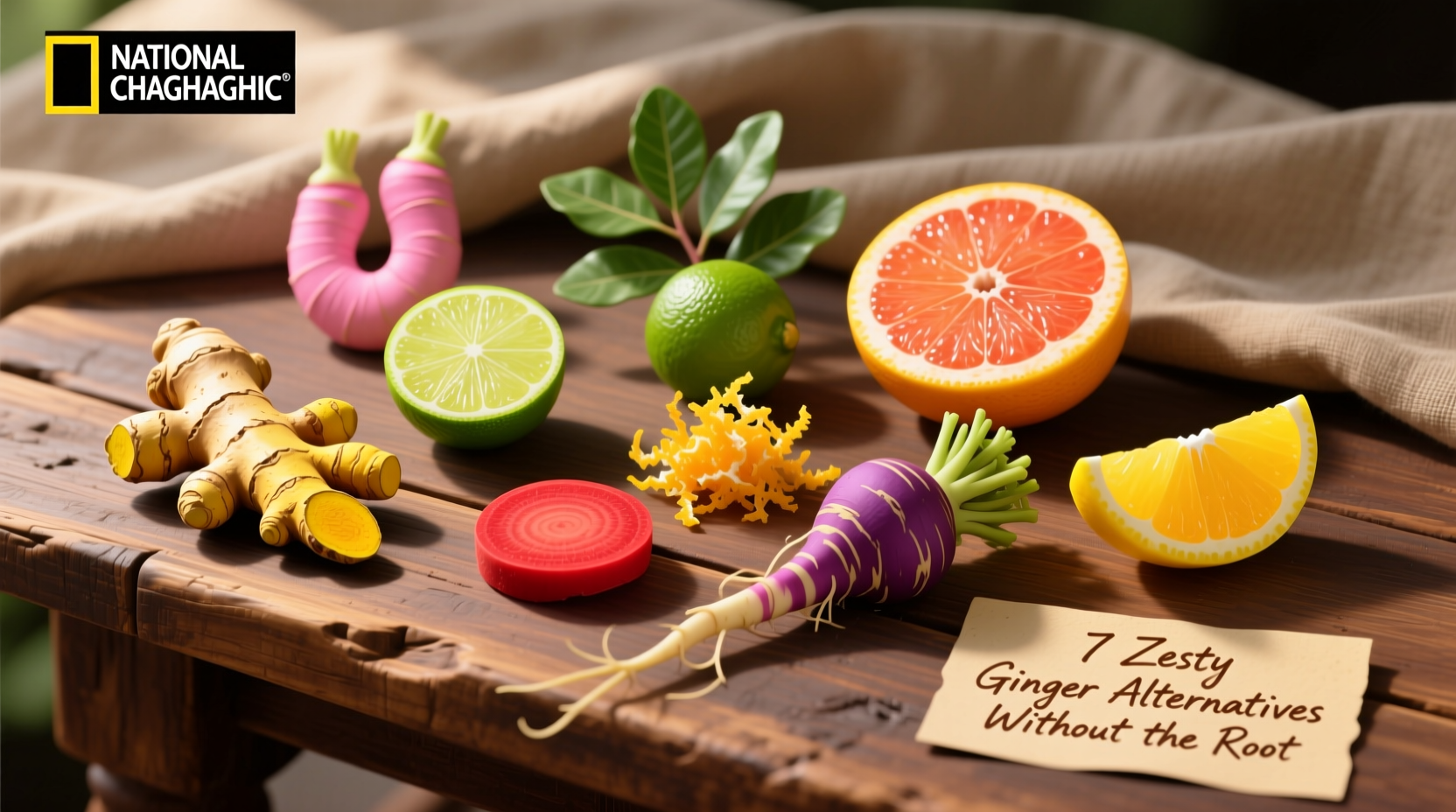
Ginger (*Zingiber officinale*) is a flowering plant whose aromatic rhizome has been central to global cuisines and traditional medicine for millennia. Native to Southeast Asia, it imparts a distinctive blend of pungency, warmth, and slight sweetness with lemony undertones. In cooking, ginger functions as both a flavor enhancer and digestive aid, commonly used fresh, dried, candied, or as an extract. However, some individuals avoid it due to sensitivities, while others may lack access to fresh roots or seek innovative twists on classic profiles.
The alternatives presented here are not direct clones of ginger but rather ingredients that replicate key aspects of its sensory profile—particularly its zesty lift and gentle heat—without involving the root. These substitutes span spices, citrus components, fermented products, and herbal extracts, each offering unique advantages depending on the dish type, desired intensity, and dietary needs. Understanding their properties enables precise substitution while maintaining culinary integrity.
Key Characteristics of Ginger (for Reference)
To evaluate effective replacements, it's important to understand what makes ginger distinct:
| Characteristic | Description |
|---|---|
| Flavor Profile | Warm, slightly sweet, peppery, with citrusy and pine-like notes |
| Aroma | Sharp, clean, resinous, faintly floral |
| Heat Level | Moderate (non-capsaicin heat; more warming than burning) |
| Culinary Function | Flavor base, digestive aid, tenderizer, balancing agent in sweet/savory dishes |
| Common Forms | Fresh, ground, crystallized, juice, oil, tea |
| Shelf Life | Fresh: 2–3 weeks refrigerated; dried: up to 3 years if stored properly |
Why Substitute Ginger Without Using the Root?
Substituting ginger without turning to another form of the same root may seem counterintuitive, but several real-world scenarios justify this constraint:
- Allergies or sensitivities: Though rare, some individuals react adversely to compounds in ginger such as gingerols.
- Supply limitations: Fresh ginger can be difficult to source in certain regions or during off-seasons.
- Dietary protocols: Specific elimination diets (e.g., low-FODMAP) restrict ginger consumption.
- Creative exploration: Chefs and home cooks often experiment with novel flavor pairings beyond traditional templates.
The following alternatives meet these challenges by offering functional parallels through different botanical pathways.
1. Galangal – The Citrus-Pine Counterpart
Often mistaken for ginger due to visual similarity, galangal is technically a root—but distinct from *Zingiber officinale*. It belongs to the same family (Zingiberaceae) but offers a sharper, more assertive profile ideal when ginger’s milder warmth won’t suffice.
Characteristics
- Flavor: Intensely citrusy, pine-like, with camphorous brightness and minimal sweetness
- Heat: Moderate, more aromatic than spicy
- Best Used In: Thai tom yum soup, Indonesian sambals, Vietnamese broths
- Form: Fresh, powdered, or in paste form
How to Use
Replace 1 tablespoon fresh grated ginger with 2 teaspoons finely minced fresh galangal. Due to its potency, use sparingly. For dried applications, substitute ¼ teaspoon ground galangal for every ½ teaspoon ground ginger.
TIP: Freeze fresh galangal whole—it grates more easily when frozen and retains quality for up to six months.
2. Grated Lemon or Lime Zest – The Brightness Boost
Citrus zest provides the volatile oils responsible for much of ginger’s top-note aroma. While lacking heat, zest delivers the zing that lifts heavy dishes and mimics ginger’s refreshing edge.
Characteristics
- Flavor: Bright, tangy, floral-citrus
- Function: Aromatic enhancement, acidity modulation
- Best Used In: Baked goods, marinades, dressings, seafood rubs
- Shelf Life: Fresh zest: 1–2 days; dried: up to 6 months (less vibrant)
How to Use
Use 1 teaspoon finely grated lemon or lime zest per 1 tablespoon fresh ginger in recipes where pungency isn't critical. Combine with a pinch of white pepper or allspice to simulate warmth. Avoid adding zest to long-cooked dishes; add near the end to preserve volatile oils.
“In pastry applications, lemon zest can stand in remarkably well for ginger, especially when paired with molasses or dark sugar.” — Chef Elena Torres, Culinary Instructor at Pacific Rim Cooking Academy
3. Turmeric + Black Pepper – Earthy Heat Duo
This combination leverages turmeric’s earthy bitterness and subtle warmth, enhanced by black pepper’s piperine—which adds perceptible heat and improves bioavailability of curcumin.
Characteristics
| Component | Contribution |
|---|---|
| Turmeric (ground) | Earthy, slightly bitter, warm, golden color |
| Freshly cracked black pepper | Sharp, biting heat, aromatic complexity |
How to Use
Mix ½ teaspoon ground turmeric with ¼ teaspoon freshly ground black pepper to replace 1 tablespoon fresh grated ginger. Ideal in curries, lentil stews, roasted vegetables, and grain bowls. Note: lacks ginger’s sweetness; consider adding a touch of honey or maple syrup in sweet applications.
TIP: Sauté the turmeric-pepper blend in oil briefly before adding liquids to mellow harshness and deepen flavor integration.
4. Asafoetida (Hing) – The Umami-Pungent Stand-In
Primarily used in Indian vegetarian cooking, asafoetida is a resin derived from Ferula plants. Though potent in raw form, it mellows into a savory, onion-garlic-ginger hybrid when cooked.
Characteristics
- Flavor: Pungent when raw, transforms into umami-rich depth when heated
- Aroma: Strong sulfurous note (similar to garlic), dissipates during cooking
- Best Used In: Dals, vegetable curries, pickles, vegan meat substitutes
- Form: Powdered resin, often blended with rice flour
How to Use
Use ⅛ teaspoon asafoetida powder in place of 1 tablespoon fresh ginger. Always bloom in hot oil or ghee at the start of cooking. Not suitable for desserts or delicate sauces.
“Asafoetida isn’t a one-to-one swap, but in savory legume dishes, it performs a similar ‘background warmth’ role as ginger.” — Dr. Anika Patel, Food Anthropologist
5. Ground Allspice – Clove-Cinnamon-Ginger Triad
Also known as Jamaican pepper, allspice tastes like a natural blend of cinnamon, nutmeg, and clove—with noticeable ginger-like warmth. Its name stems from its ability to evoke multiple spices simultaneously.
Characteristics
- Flavor: Warm, sweet-spicy, with hints of juniper and dried fruit
- Heat: Mild to moderate; builds slowly
- Best Used In: Baking, jerk seasoning, mulled wines, chutneys
- Shelf Life: Up to 3 years in airtight container away from light
How to Use
Substitute ¾ teaspoon ground allspice for every 1 tablespoon fresh ginger in baked goods or braised dishes. Reduce other warm spices (like cinnamon or cloves) to avoid overpowering. For fresh ginger in marinades, combine ½ tsp allspice with ¼ tsp lemon zest.
6. Kombucha or Fermented Ginger Beer (Non-Alcoholic) – Functional Liquid Substitute
While these contain trace amounts of ginger extract, they do not rely on the physical root during preparation and are acceptable under some dietary constraints. They offer effervescence, acidity, and fermented depth akin to ginger’s enzymatic qualities.
Characteristics
- Flavor: Tart, yeasty, mildly sweet, carbonated
- Function: Tenderizing, flavor layering, digestive support
- Best Used In: Marinades, glazes, salad dressings, poaching liquids
- Note: Choose brands labeled “made with ginger flavor” rather than containing actual ginger root if avoiding it entirely.
How to Use
Replace 1 tablespoon ginger juice with 2 tablespoons plain or citrus-flavored kombucha. Simmer gently to reduce if excess liquid is a concern. Works particularly well in Asian-inspired stir-fry sauces or barbecue bastes.
TIP: Reduce kombucha by half over low heat to concentrate flavor and eliminate carbonation before incorporating into thick sauces.
7. Lemongrass – The Herbal Citrus Lift
A tall perennial grass native to tropical Asia, lemongrass contains citral and myrcene—compounds also found in ginger—that contribute sharp lemon-pine aromas and mild antimicrobial properties.
Characteristics
- Flavor: Clean, lemony, herbaceous, slightly floral
- Texture: Fibrous; must be bruised, chopped finely, or removed after cooking
- Best Used In: Thai curries, Vietnamese pho, coconut soups, herbal teas
- Form: Fresh stalks, dried, powdered, or infused oil
How to Use
Bruise 1 lower bulb of lemongrass and add to pot in place of 1-inch piece fresh ginger in soups and stews. Remove before serving. For ground applications, use ½ teaspoon lemongrass powder per 1 teaspoon ground ginger. Enhance with a dash of coriander or white pepper for added dimension.
Comparison with Common Confusions
Many assume certain substitutes are interchangeable, but distinctions matter:
| Ingredient | Similarity to Ginger | Key Difference |
|---|---|---|
| Galangal | High (same family) | Sharper, less sweet, more pine/camphor notes |
| Lemongrass | Moderate (shared citrus oils) | No inherent heat; purely aromatic |
| Allspice | Moderate (warmth and baking utility) | Sweeter, denser, lacks freshness |
| Asafoetida | Low to moderate (umami background role) | Sulfurous origin; not for sweet dishes |
| Citrus Zest | Low (only matches top notes) | No warmth or depth; requires complementary spices |
Practical Tips & FAQs
Can I combine substitutes for better results?
Yes. Combining citrus zest with black pepper and turmeric closely approximates ginger’s full spectrum. Try: 1 tsp lemon zest + ⅛ tsp black pepper + ¼ tsp turmeric for every 1 tbsp fresh ginger in savory dishes.
Which substitute works best in baking?
Ground allspice is most effective in gingerbread, muffins, and spice cakes. For lighter textures, use lemon zest with a hint of cardamom to maintain brightness without heaviness.
Is there a low-FODMAP option?
Yes. Lemon zest (in moderation), lemongrass (small amounts), and allspice are considered low-FODMAP. Avoid garlic/onion-based options like asafoetida unless confirmed FODMAP-free versions are used.
How do I adjust quantities in liquid-based recipes?
In syrups, beverages, or brines, prefer kombucha, ginger-flavored herbal extracts, or diluted lemongrass tea. Reduce volume if necessary to prevent dilution.
What about shelf-stable options?
Dried lemongrass, ground allspice, turmeric, and asafoetida keep well for months in cool, dark pantries. Fresh citrus zest and kombucha require refrigeration and short-term use.
Are any of these anti-inflammatory like ginger?
Several have documented benefits: turmeric (curcumin), black pepper (piperine), and lemongrass (citral) all exhibit anti-inflammatory properties, though mechanisms differ from gingerols in true ginger.
Summary & Key Takeaways
Replacing ginger without using the root is not only feasible but can lead to exciting culinary discoveries. Each alternative brings a unique facet of ginger’s multifaceted profile—whether it’s the citrus lift of lemon zest, the earthy warmth of turmeric and pepper, or the fermented complexity of kombucha. Success lies in understanding the functional role ginger plays in a given dish and selecting a substitute that fulfills that purpose, even if via a different path.
- For heat and depth: Use galangal or the turmeric-black pepper duo.
- For brightness: Opt for lemon or lime zest.
- For savory backbone: Try asafoetida in oil-infused dishes.
- For baking: Rely on ground allspice with citrus accents.
- For marinades and drinks: Leverage kombucha or fermented ginger beer (check labels).
- For herbal aroma: Incorporate lemongrass in soups and broths.
Final Tip: Label substitutions clearly when meal prepping or sharing recipes—especially when accommodating allergies. Precision ensures safety and repeat success.
Mastery in the kitchen often comes not from rigid adherence to tradition, but from informed adaptation. With these seven zesty ginger alternatives, cooks gain flexibility, creativity, and resilience—essential tools for modern, inclusive, and inventive cuisine.




 浙公网安备
33010002000092号
浙公网安备
33010002000092号 浙B2-20120091-4
Comments
No comments yet. Why don't you start the discussion?