
Pregnancy brings a wave of physical changes, some expected, others surprising. One such unexpected experience many women report is feeling constantly cold, even in mild or warm environments. While fatigue, nausea, and food cravings are widely discussed, the sensation of being perpetually chilly during pregnancy often goes unaddressed—despite how commonly it occurs. Understanding why this happens is essential not only for comfort but also for ruling out any underlying health concerns. This article explores the science behind feeling cold during pregnancy, identifies contributing factors, and offers actionable advice for managing the chill.
Why Do Some Pregnant Women Feel Cold?
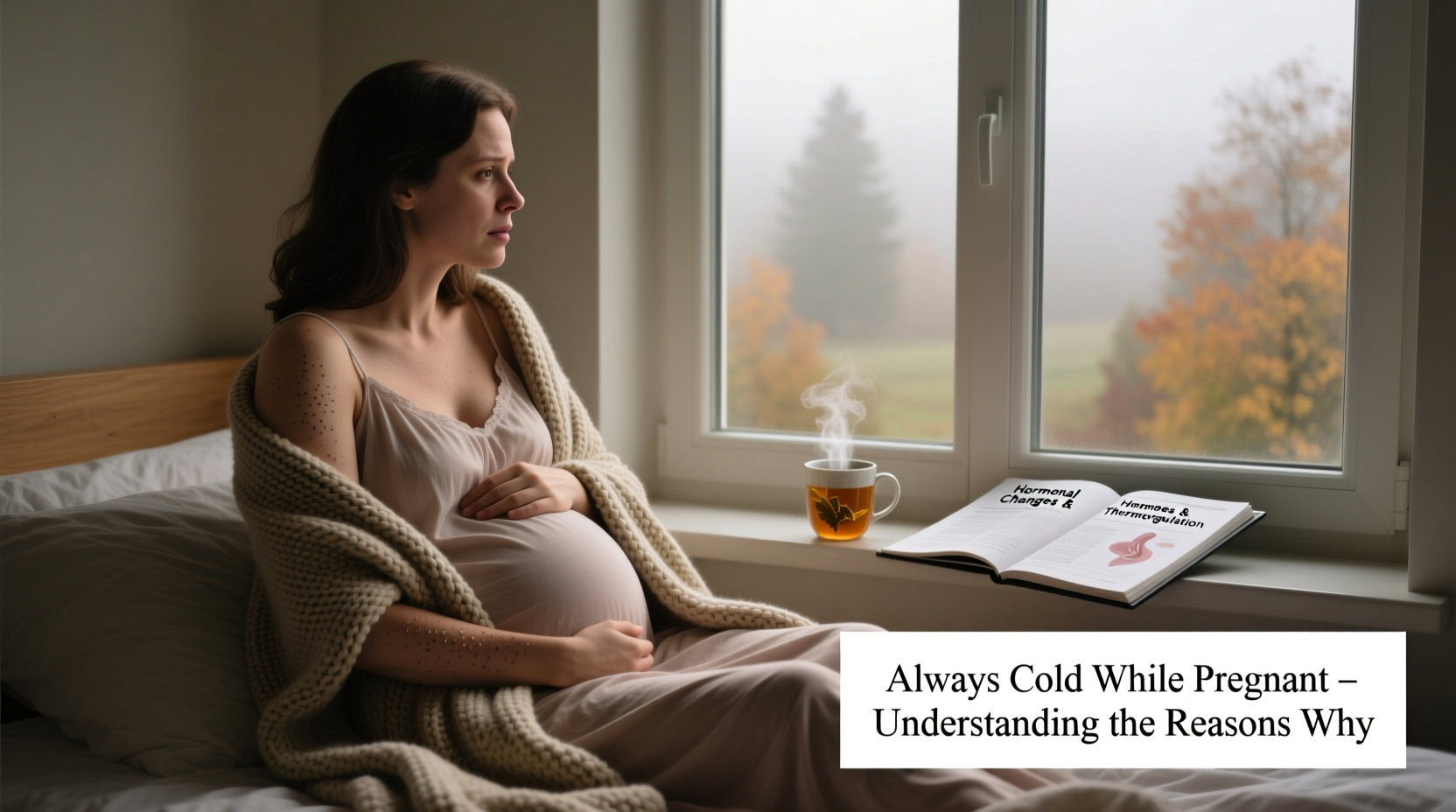
Contrary to the popular belief that pregnancy always causes overheating, many women experience the opposite: a persistent feeling of coldness. This shift in temperature perception stems from complex hormonal and circulatory changes occurring throughout gestation.
During early pregnancy, the body produces high levels of progesterone—a hormone critical for maintaining the uterine lining and supporting fetal development. Elevated progesterone can influence the hypothalamus, the brain’s thermostat, leading to altered temperature regulation. As a result, some women may feel colder than usual despite no actual drop in core body temperature.
In addition, blood volume increases by up to 50% during pregnancy to support the growing fetus. This expanded circulation redirects blood flow toward the uterus and placenta, sometimes reducing peripheral circulation to the hands and feet. The reduced blood flow to extremities can create a sensation of coldness, particularly in the limbs.
Hormonal Fluctuations and Thermoregulation
The endocrine system undergoes dramatic shifts during pregnancy, directly impacting how the body manages heat. Progesterone, as mentioned, plays a central role, but other hormones such as estrogen and human chorionic gonadotropin (hCG) also contribute to thermoregulatory changes.
Estrogen affects vascular tone and can cause blood vessels to dilate or constrict unpredictably. This instability may lead to episodes of chills or cold flashes, especially during the first trimester when hormone levels rise rapidly. Similarly, hCG peaks around weeks 8–10, coinciding with increased reports of temperature sensitivity.
Interestingly, research suggests that these hormonal fluctuations can mimic symptoms seen in thyroid dysfunction—even in women with normal thyroid function. This overlap can make it difficult to distinguish between normal pregnancy-related chills and potential thyroid issues.
“Many women come in concerned about feeling cold all the time. In most cases, it’s a normal part of pregnancy due to hormonal shifts, but we always check thyroid levels to be safe.” — Dr. Lena Patel, OB-GYN and Maternal Health Specialist
When Feeling Cold Might Signal an Underlying Condition
While occasional chills are typically harmless, persistent coldness—especially when accompanied by other symptoms—may indicate an underlying medical issue. Two of the most common conditions linked to cold intolerance during pregnancy are iron-deficiency anemia and hypothyroidism.
Anemia develops when the body lacks sufficient red blood cells to carry oxygen efficiently. Pregnancy increases iron demands dramatically, and if intake doesn’t match needs, hemoglobin levels can drop. Symptoms include fatigue, dizziness, pale skin, and yes—feeling cold, particularly in the hands and feet.
Hypothyroidism, or underactive thyroid function, slows metabolism and reduces heat production. Since thyroid disorders are more prevalent in women and can worsen during pregnancy, routine screening is recommended. Untreated hypothyroidism poses risks to both mother and baby, including preterm birth and developmental delays.
| Condition | Key Symptoms | Recommended Action |
|---|---|---|
| Anemia | Fatigue, pale skin, shortness of breath, cold extremities | Blood test for hemoglobin and ferritin; iron supplementation if needed |
| Hypothyroidism | Constant coldness, weight gain, dry skin, depression, constipation | Thyroid function tests (TSH, T4); medication if diagnosed |
| Normal Pregnancy | Occasional chills, fluctuating temperature sensitivity | No treatment needed; monitor symptoms and consult provider if worsening |
Mini Case Study: Sarah’s Experience with Cold Sensitivity
Sarah, a 32-year-old teacher in her first trimester, began noticing she was reaching for sweaters even when others were comfortable in short sleeves. She felt chilled at night and struggled to warm up after showers. Concerned, she contacted her midwife, who ordered blood work. Results showed mild iron-deficiency anemia and slightly elevated TSH levels, indicating subclinical hypothyroidism.
With prescribed prenatal vitamins containing iron and a low-dose thyroid hormone replacement, Sarah’s energy improved within weeks, and her cold sensitivity diminished significantly by week 20. Her case highlights the importance of not dismissing persistent coldness as “just part of pregnancy” without evaluation.
Practical Tips to Stay Warm and Comfortable
If you're frequently cold during pregnancy, several lifestyle adjustments can help improve your comfort without compromising safety.
- Layer smartly: Wear moisture-wicking base layers, insulating mid-layers (like fleece), and wind-resistant outerwear.
- Use heated blankets cautiously: Opt for low-heat settings and avoid falling asleep with them on to prevent overheating.
- Warm your core: Use a hot water bottle (wrapped in cloth) on your lower back or abdomen for soothing warmth.
- Exercise regularly: Gentle movement like walking or prenatal yoga boosts circulation and generates internal heat.
- Stay hydrated: Dehydration can impair circulation and make you feel colder.
Checklist: Managing Coldness During Pregnancy
- Track symptoms: Note when you feel cold and whether it’s linked to time of day or activity.
- Request blood tests: Ask your provider to check hemoglobin, ferritin, and thyroid function.
- Dress in layers using natural fibers.
- Maintain balanced meals rich in iron, B12, and folate.
- Avoid prolonged exposure to cold environments.
- Practice relaxation techniques—stress can amplify physical sensations.
FAQ: Common Questions About Feeling Cold While Pregnant
Is it normal to feel cold in the first trimester?
Yes, it’s relatively common. Hormonal surges, particularly progesterone and hCG, can disrupt your body’s temperature control, leading to cold sensations even if your actual body temperature is normal.
Can feeling cold affect my baby?
Not directly. Occasional coldness isn't harmful. However, if it's due to anemia or hypothyroidism, untreated conditions could impact fetal development. That’s why proper diagnosis and management are crucial.
Why do I feel cold but have warm skin?
This paradoxical sensation occurs because internal blood flow is redirected to vital organs and the placenta. Your core may feel warm, but your extremities receive less circulation, making hands and feet feel cold despite overall warmth.
Conclusion: Listen to Your Body and Take Action
Feeling cold during pregnancy can be a normal response to profound physiological changes—or it can be a signal that your body needs additional support. By understanding the interplay of hormones, circulation, and nutrition, you empower yourself to respond wisely. Don’t dismiss persistent chills as just another odd symptom. Instead, use them as cues to evaluate your health, seek appropriate testing, and adjust your daily habits for better well-being.




 浙公网安备
33010002000092号
浙公网安备
33010002000092号 浙B2-20120091-4
Comments
No comments yet. Why don't you start the discussion?