
The world of collectibles has evolved dramatically over the past two decades, with anime figures and high-end collectible statues emerging as two dominant categories among enthusiasts and investors alike. While both represent forms of art and fandom expression, their long-term financial performance differs significantly. Understanding which category tends to appreciate more in value requires examining production quality, scarcity, brand reputation, and collector demand. For those considering a purchase not just for passion but also for profit, the choice between anime figures and collectible statues can have lasting implications.
Defining the Categories
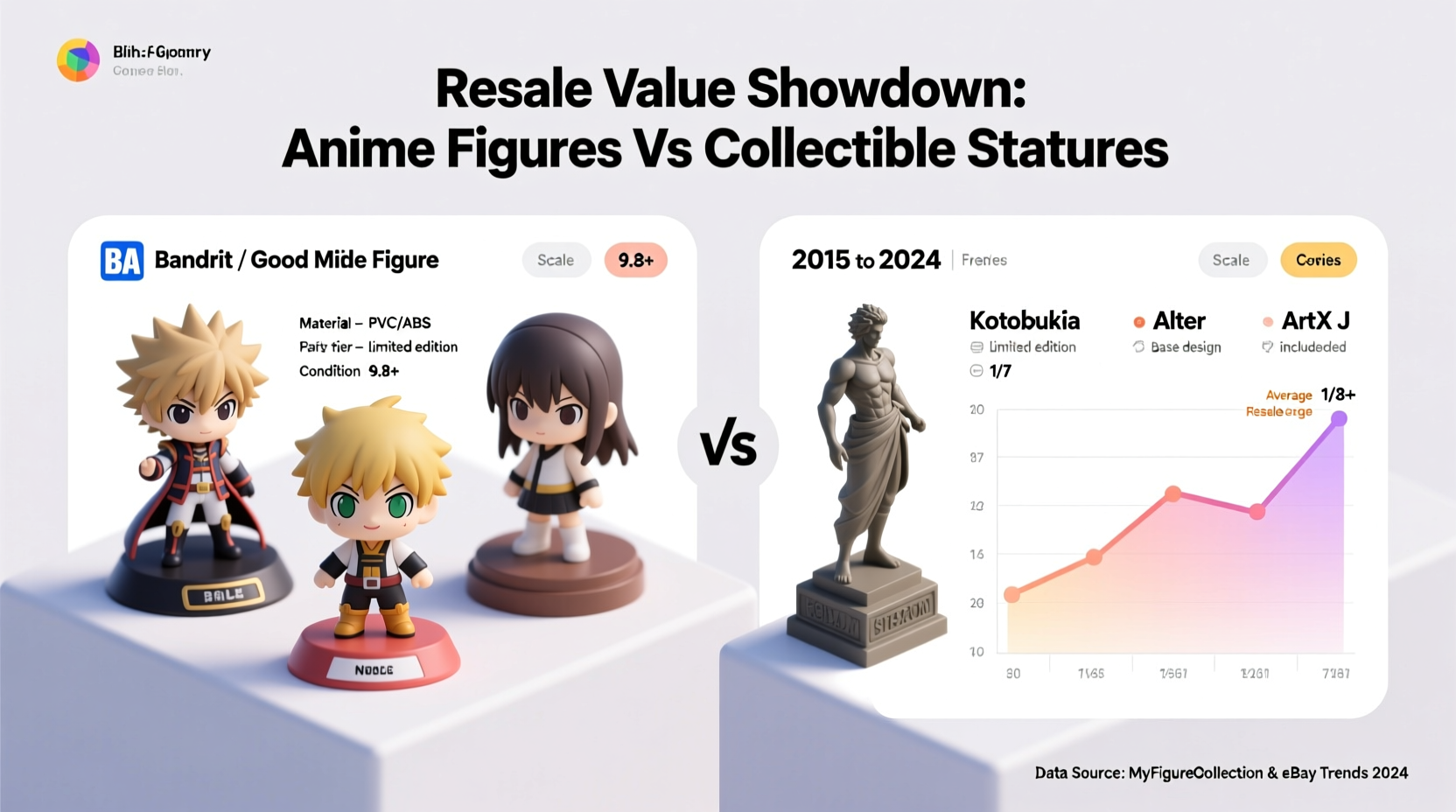
Anime figures are mass-produced or limited-run figurines based on characters from Japanese animation, manga, or video games. They typically range from 6 to 10 inches in height and are made from PVC or ABS plastic. Produced by companies like Good Smile Company, Aniplex, and Kotobukiya, these figures often retail between $50 and $200, though premium editions can exceed $300.
Collectible statues, on the other hand, are larger, more detailed sculptures usually released in very limited quantities—sometimes fewer than 500 worldwide. These are often made from polystone, cold-cast resin, or mixed media and stand anywhere from 12 inches to over 3 feet tall. Brands such as Sideshow Collectibles, Iron Studios, and Prime 1 Studio dominate this space, with price points commonly ranging from $400 to $2,000 or more at release.
The distinction isn’t merely one of size or material—it’s also about intent. Anime figures cater primarily to fans seeking representation of beloved characters, while collectible statues are often marketed as museum-grade art pieces intended for display and investment.
Factors Influencing Resale Value
Resale value in the collectibles market hinges on several interrelated factors:
- Rarity: Limited editions, exclusives (e.g., convention-only releases), and discontinued models command higher prices due to scarcity.
- Licensing and Authenticity: Officially licensed products maintain stronger credibility and trust among buyers.
- Condition: Mint-in-box items sell for far more than opened or damaged pieces. Dust-free storage, original packaging, and minimal handling are critical.
- Cultural Relevance: Characters tied to enduring franchises (e.g., *Dragon Ball*, *Naruto*, *Demon Slayer*) tend to hold value better than those from short-lived series.
- Production Quality: Higher craftsmanship, intricate paintwork, and dynamic poses increase desirability.
- Secondary Market Infrastructure: Platforms like Mandarake, AmiAmi, eBay, and Yahoo Japan Auctions influence liquidity and pricing transparency.
Market Performance: Anime Figures vs. Collectible Statues
To assess long-term appreciation, consider real-world examples and broader market dynamics.
Anime Figures: Volatility and Fandom Cycles
Anime figures often experience sharp spikes in value shortly after release if demand exceeds supply—especially for popular characters. However, this surge is frequently followed by depreciation once secondary stock floods the market. For example, the Nendoroid Ganyu from *Genshin Impact* briefly sold for over $500 during peak hype but settled back near its original $70 price within a year as availability increased.
Long-term winners exist, but they are exceptions rather than norms. The Fate/Stay Night Saber Alter figure, originally priced around $120 in 2006, now trades for over $1,000 due to its iconic status and discontinuation. Still, such cases require perfect alignment of nostalgia, cultural impact, and scarcity.
Collectible Statues: Slower Growth, Steadier Returns
High-end statues follow a different trajectory. Because of their low production runs and premium presentation, many appreciate steadily over time. Take the Sideshow x Premium IX Studio \"Batman: Knightmare\" statue from *Justice League*. Released in 2017 at $750, it now sells for $2,200+ in mint condition. Similarly, the Iron Studios Venom vs. Carnage diorama, initially priced at $599, has doubled in value over five years.
This stability stems from deliberate production limits, meticulous design, and appeal beyond niche fandoms—many collectors view these pieces as fine art. Additionally, because they're costlier upfront, owners are less likely to resell quickly, reducing market saturation.
“Statues aren’t just merchandise—they’re heirlooms. We design them to last generations, and that mindset translates into long-term value retention.” — Marcus Lin, Creative Director at Prime 1 Studio
Comparative Analysis: Investment Potential Over Time
| Factor | Anime Figures | Collectible Statues |
|---|---|---|
| Average Initial Cost | $50–$300 | $400–$2,500+ |
| Typical Production Run | 1,000–10,000 units | 250–750 units |
| Appreciation Rate (5-year avg.) | 10–30% (select rare items) | 60–150% |
| Liquidity (Ease of Resale) | High (active fan markets) | Moderate (smaller buyer pool) |
| Sensitivity to Trends | Very High | Moderate |
| Storage Requirements | Low (compact boxes) | High (climate-controlled, secure space) |
| Common Depreciation Risk | High (oversupply, fading hype) | Low (limited supply protects value) |
The data suggests that while anime figures offer accessibility and broad appeal, their resale upside is inconsistent and highly dependent on timing and trend cycles. In contrast, collectible statues, despite higher entry costs and slower turnover, demonstrate more predictable appreciation and lower risk of devaluation.
Real-World Example: The Case of Two Collectors
In 2018, two collectors began building portfolios with similar budgets—around $5,000 each.
Case A – Anime-Focused Collector: Alex invested in 20 premium anime figures from popular series like *My Hero Academia*, *Attack on Titan*, and *One Piece*. Most were limited editions from major manufacturers. Over three years, he flipped five figures during hype peaks, netting a 25% return on those sales. However, seven others lost value due to re-releases or declining interest. By 2023, his remaining collection was worth approximately $5,800—a modest gain, largely driven by early exits.
Case B – Statue-Oriented Collector: Jamie allocated funds toward six high-end statues: two from Sideshow, three from Iron Studios, and one exclusive Prime 1 Studio piece. All were stored professionally in a climate-controlled cabinet. No items were sold until 2023, when she liquidated half her collection. The total return was $8,200—an average appreciation of 64%. The remaining pieces are currently valued at over $4,500, suggesting continued growth.
This scenario illustrates a key truth: patience and selectivity favor statue investments, whereas anime figures require active management and market timing to yield returns.
How to Maximize Resale Value Regardless of Category
Whether you lean toward anime figures or statues, certain practices universally enhance long-term value.
Checklist: Preserving and Increasing Your Collection's Worth
- ✅ Buy only officially licensed products from reputable distributors.
- ✅ Keep all original packaging, manuals, certificates of authenticity, and accessories.
- ✅ Store items in a cool, dry environment away from direct sunlight and humidity.
- ✅ Use UV-protective display cases if showing pieces publicly.
- ✅ Document your collection with photos and purchase receipts.
- ✅ Monitor secondary markets regularly to identify optimal selling windows.
- ✅ Avoid opening or assembling figures unless necessary for display.
When Anime Figures Outperform Statues
It would be inaccurate to claim statues always win. There are notable exceptions where anime figures surpass even top-tier statues in resale growth.
These outliers typically involve:
- First-ever releases of iconic characters (e.g., the original 2005 Asuka Langley Soryu figure).
- Convention exclusives from Comiket or Anime Expo with run sizes under 500.
- Discontinued lines due to licensing expiration (e.g., older *Sailor Moon* figures pre-2010).
- Celebrity-owned or signed pieces, which can double or triple in value overnight.
However, identifying these opportunities requires deep market knowledge and often a bit of luck. They are not reliable as a primary investment strategy.
Frequently Asked Questions
Are anime figures a good long-term investment?
Generally, no—unless you're targeting ultra-rare, discontinued, or culturally significant pieces. Most mass-produced figures depreciate over time. However, they remain valuable as personal keepsakes and conversation starters.
Do collectible statues hold value better than art prints or trading cards?
Yes, in most cases. Statues combine physical presence, craftsmanship, and scarcity in ways that paper-based collectibles cannot match. While some rare trading cards (e.g., Pikachu Illustrator) outperform, they are extreme outliers. Statues offer more consistent appreciation across the board.
What should I do if I want to start a value-driven collection?
Begin by researching upcoming limited editions from trusted studios. Focus on franchises with enduring popularity (*Star Wars*, *Marvel*, *Ghost in the Shell*) and prioritize items with numbered certificates. Start small, learn the market rhythms, and avoid emotional buying.
Conclusion: Making the Smart Move
Between anime figures and collectible statues, the latter consistently demonstrates superior resale value over time. Their limited availability, higher production standards, and positioning as luxury art objects create a foundation for sustained appreciation. Anime figures, while emotionally rewarding and accessible, rarely deliver comparable financial returns without precise timing and rare conditions.
That said, collecting should never be reduced solely to profit. Passion drives preservation, and care enhances value. Whether you choose a vibrant anime figure lineup or an imposing gallery of cinematic statues, the key is intentionality—buying wisely, storing carefully, and understanding the market you're entering.




 浙公网安备
33010002000092号
浙公网安备
33010002000092号 浙B2-20120091-4
Comments
No comments yet. Why don't you start the discussion?