
Choosing the right pair of ankle boots can make or break your day—especially when it comes to comfort during extended wear. While both block heels and stilettos have their place in fashion, the real test lies in how they perform over long hours on your feet. Whether you're commuting, working a full shift, or exploring a new city, foot fatigue is no small matter. The debate between ankle boots with block heels and those with stiletto heels isn’t just about style—it’s about ergonomics, support, and long-term wearability. This guide dives deep into the structural, biomechanical, and lifestyle factors that determine which heel type truly wins in the comfort department.
Anatomy of the Heel: How Design Affects Comfort
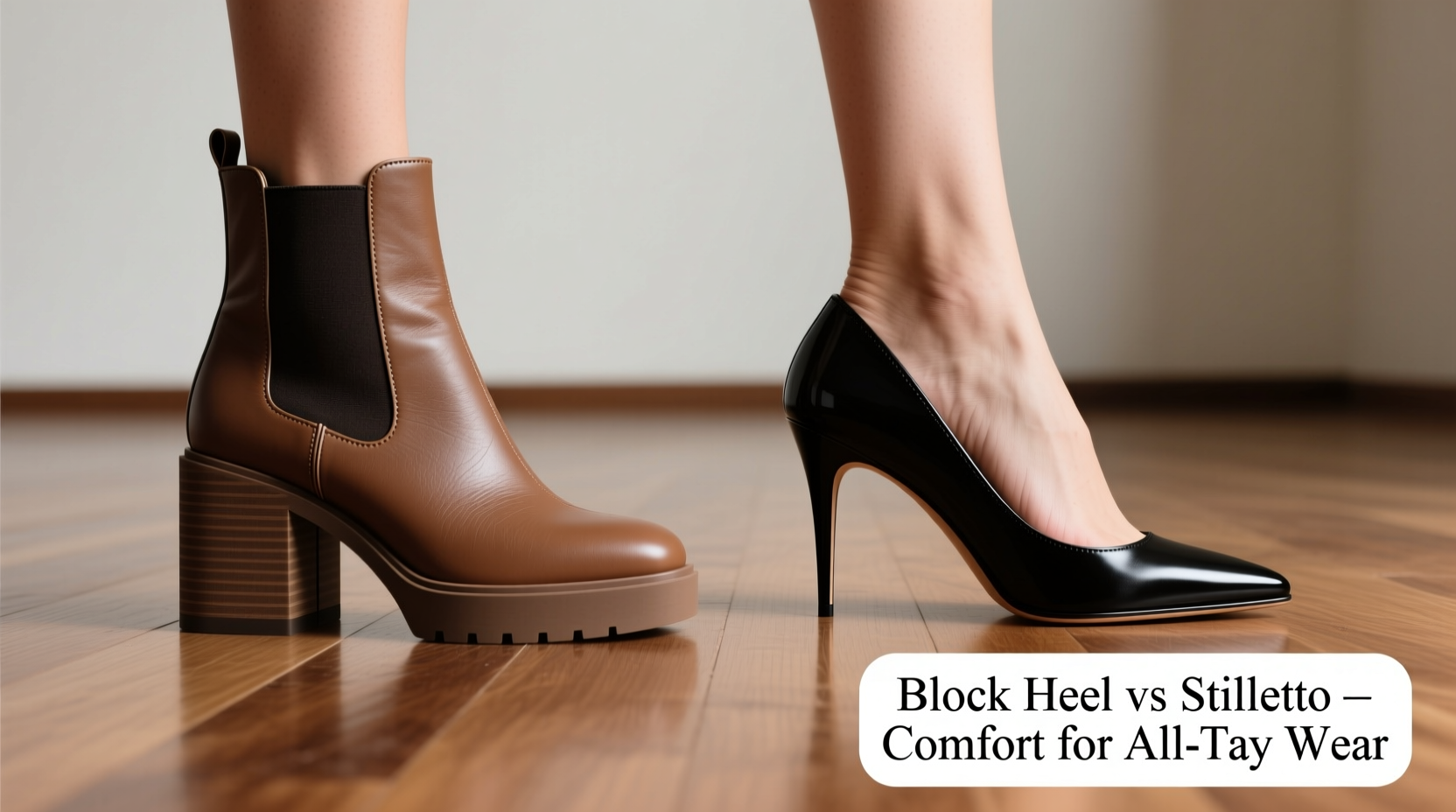
The fundamental difference between block heels and stilettos lies in surface area and weight distribution. A stiletto heel is narrow, typically less than an inch in diameter at the base, concentrating your body weight onto a very small point. In contrast, a block heel has a broader, more solid structure, spreading pressure across a larger footprint. This basic engineering principle directly impacts stability and fatigue.
When walking, each step generates force equal to 1.5 to 3 times your body weight. With stilettos, this force is funneled through a tiny contact point, increasing pressure per square inch dramatically. Over time, this leads to strain on the forefoot, increased risk of rolling an ankle, and compensatory posture shifts that affect the knees, hips, and lower back.
Block heels, by virtue of their wider base, offer better balance and distribute weight more evenly. They also tend to be slightly shorter in height (though not always), further reducing the angle of foot flexion and minimizing tendon strain. Podiatrists consistently highlight the importance of a stable heel base for prolonged standing or walking.
“From a biomechanical standpoint, any heel that increases surface area while maintaining moderate height will reduce joint stress and improve gait efficiency.” — Dr. Lena Reyes, DPM, Foot & Ankle Specialist
Comfort Comparison: Key Factors Evaluated
To assess which boot style is genuinely more comfortable for all-day wear, several variables must be considered beyond heel shape alone. These include arch support, sole cushioning, shaft fit, material flexibility, and heel height. Below is a detailed breakdown comparing block heel and stiletto ankle boots across critical comfort metrics.
| Factor | Block Heel Ankle Boots | Stiletto Heel Ankle Boots |
|---|---|---|
| Weight Distribution | Evenly distributed across broad base; reduces pressure on ball of foot | Concentrated on narrow tip; high pressure on forefoot |
| Stability | High—less likely to wobble or twist on uneven surfaces | Low—prone to tipping, especially on cobblestones or gravel |
| Arch Support | Often built-in due to thicker heel and structured design | Variable—many prioritize aesthetics over support |
| Cushioning | More room for midsole padding and shock absorption | Limited space; often firmer soles for structural integrity |
| All-Day Wear Viability | High—suitable for 6–8+ hours with proper fit | Moderate to low—typically limited to 2–4 hours before discomfort sets in |
| Fashion Versatility | Excellent—pairs well with jeans, dresses, skirts, and workwear | High—often seen as more elegant or formal |
Real-World Experience: A Day in the Life
Consider Sarah, a marketing executive who commutes 45 minutes each way via subway, walks frequently between meetings, and stands during client presentations. She owns two pairs of black ankle boots: one with a 3-inch stiletto heel and another with a 2.75-inch block heel. On days she wears the stilettos, she reports sharp pain in the balls of her feet by mid-afternoon, occasional ankle instability on escalators, and a noticeable change in her posture—leaning forward to compensate for the heel height.
In contrast, when wearing the block heel boots, Sarah describes feeling “grounded” throughout the day. She doesn’t need to carry flats in her bag, nor does she feel the urge to sit down after short walks. The broader heel allows her to navigate crowded platforms and uneven sidewalks without fear of twisting her ankle. While both boots are from reputable brands and fit well, the difference in daily comfort is undeniable.
This scenario reflects a common pattern among professionals who spend significant time on their feet. Style is important, but functionality often wins when physical demands mount. As one fashion editor put it: “I’ll wear stilettos to the event, but I’ll walk there in my block heels and change at the door.”
How to Choose the Right Boot for All-Day Wear
Selecting ankle boots for prolonged use involves more than just heel type. Fit, materials, and construction play equally important roles. Follow this checklist to ensure maximum comfort without sacrificing style.
✅ Comfort-Focused Boot Selection Checklist
- Heel Height Under 3 Inches: Keeps the foot at a more natural angle, reducing Achilles tendon strain.
- Wide Base Heel: Prioritize block, stacked, or wedge-style heels over needle-thin designs.
- Cushioned Insole: Look for memory foam, gel padding, or removable orthotic-friendly footbeds.
- Flexible Sole: Rubber or TPR soles absorb shock better than hard leather or plastic.
- Ankle Support: Snug but not tight shaft that stabilizes the ankle without cutting off circulation.
- Breathable Lining: Leather or moisture-wicking fabric prevents sweat buildup and odor.
- Break-In Period Consideration: Allow time to wear new boots around the house before committing to full-day use.
It's also worth noting that some modern stiletto designs incorporate ergonomic improvements—such as slightly flared bases or internal shanks for rigidity—but these remain exceptions rather than the norm. For consistent, reliable comfort, block heels still dominate.
Expert Recommendations and Industry Trends
Fashion and footwear experts increasingly emphasize wearability alongside aesthetics. In recent years, designers like Sam Edelman, Clarks, and even higher-end labels such as Stuart Weitzman have shifted toward block heel ankle boots in their \"everyday\" collections, citing customer demand for practical luxury.
“We’ve seen a clear trend: women want to look polished without paying for it with foot pain. Block heels deliver that balance.” — Naomi Patel, Senior Footwear Editor at *Style Weekly*
Orthopedic research supports this shift. A 2022 study published in the *Journal of Applied Biomechanics* found that participants wearing block heels exhibited significantly lower plantar pressure and improved postural alignment compared to those in stilettos. Researchers concluded that even modest increases in heel base width could reduce injury risk and enhance endurance during ambulation.
Additionally, workplace dress codes have evolved. Many offices now embrace “elevated casual” attire, where stylish yet functional footwear is not only accepted but expected. This cultural shift has made block heel ankle boots a staple in professional wardrobes—from law firms to tech startups.
FAQ: Common Questions About Heel Comfort
Can stiletto heels ever be comfortable for all-day wear?
While some high-end stilettos feature advanced cushioning and supportive insoles, the inherent instability and concentrated pressure make them less ideal for extended periods. They may be tolerable for events or short outings, but few podiatrists recommend them for daily, all-day use. Custom orthotics can help, but they don’t eliminate the core biomechanical drawbacks.
Are lower stilettos more comfortable than taller block heels?
Not necessarily. A 2-inch stiletto still focuses weight on a tiny surface area, whereas a 3-inch block heel distributes load effectively. Height matters, but base width is more critical for comfort and safety. In most cases, a taller block heel will be more comfortable than a shorter stiletto.
Do block heels look less formal than stilettos?
This perception is outdated. Modern block heel designs come in sleek, minimalist silhouettes that are appropriate for business meetings, dinners, and formal events. Materials like polished leather, metallic finishes, and refined stitching elevate their appearance. The key is choosing clean lines and avoiding overly chunky profiles if a more elegant look is desired.
Final Verdict: Which Is Better for All-Day Wear?
The evidence is clear: ankle boots with block heels are objectively more comfortable for all-day wear than those with stiletto heels. Their superior weight distribution, enhanced stability, and compatibility with supportive features make them the smarter choice for anyone spending long hours on their feet. While stilettos offer undeniable glamour and vertical lift, they come at a cost—increased fatigue, higher injury risk, and reduced mobility.
This doesn’t mean abandoning stilettos altogether. They have their place in special occasions, evening wear, or photo shoots. But for daily routines involving walking, standing, or active movement, block heels provide the optimal blend of style, support, and sustainability.
Ultimately, comfort is not a compromise—it’s a necessity. Choosing footwear that respects the mechanics of your body leads to better posture, fewer aches, and greater confidence throughout the day. The most stylish person in the room isn’t the one struggling to stand straight in painful shoes; it’s the one moving with ease, poise, and lasting energy.




 浙公网安备
33010002000092号
浙公网安备
33010002000092号 浙B2-20120091-4
Comments
No comments yet. Why don't you start the discussion?