
Shark clips have become a staple in modern hairstyling—quick, functional, and stylish for busy mornings or polished updos. But with prices ranging from $2 at the drugstore to over $30 from luxury brands, many wonder: is the splurge justified? The answer isn’t just about aesthetics. It lies in materials, engineering, grip strength, and long-term impact on your hair. This guide breaks down exactly what separates budget clips from premium ones and helps you determine whether investing more delivers real value.
Material Quality: The Foundation of Performance
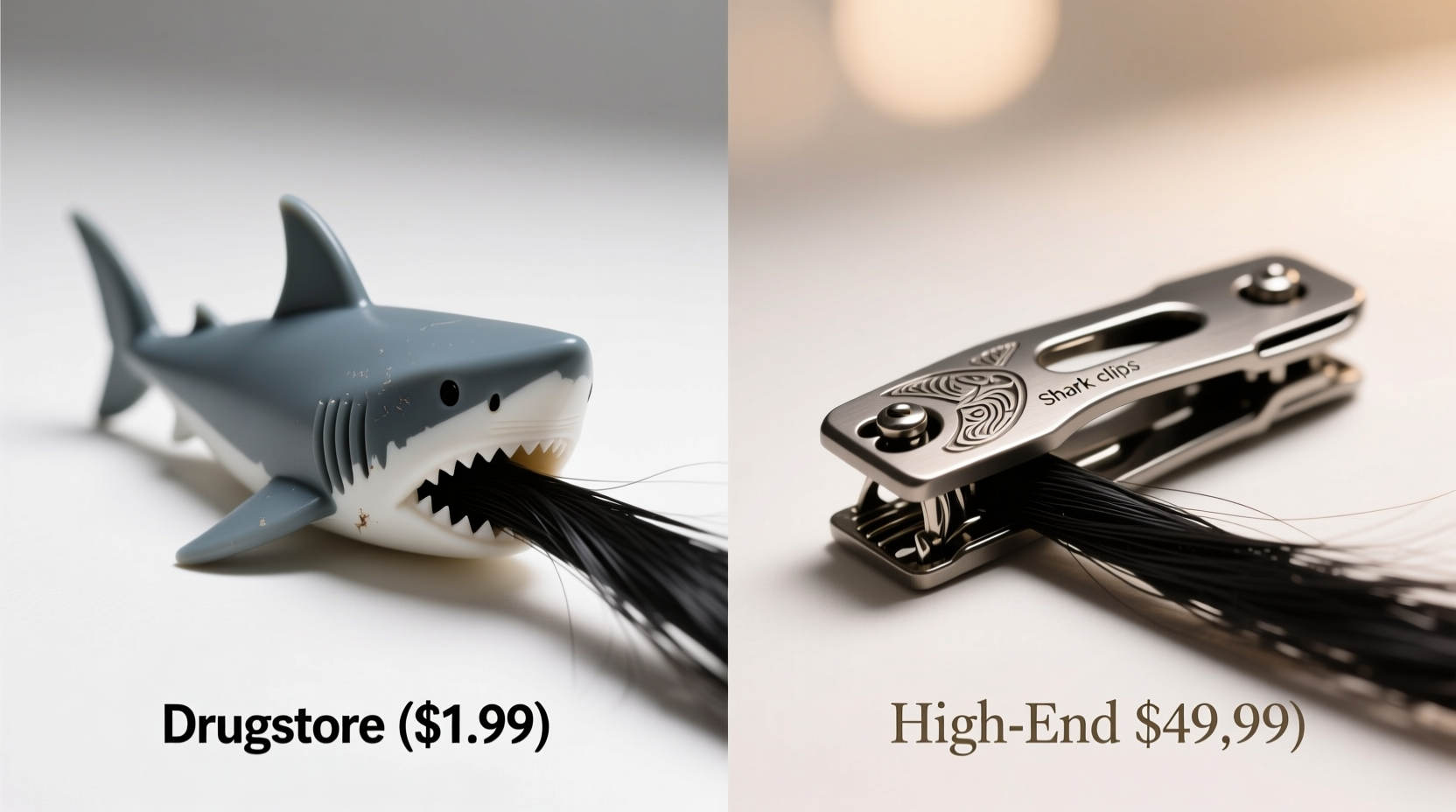
The most significant difference between drugstore and high-end shark clips is the material used in construction. Budget clips are typically made from injection-molded plastic—lightweight but brittle. Over time, this plastic can warp, crack, or lose tension, especially when exposed to heat or frequent use.
Premium clips, on the other hand, often use acetate, cellulose, or reinforced polymers. These materials offer greater flexibility, resistance to breakage, and a smoother surface that’s less likely to snag hair. Acetate, in particular, is favored by top brands like Kitsch and Lelet C due to its durability and ability to mimic the feel of tortoiseshell without using animal products.
Grip Mechanism and Engineering Design
Not all shark clips open and close the same way. Drugstore versions usually rely on a simple spring mechanism embedded in thin plastic jaws. While adequate for fine or short hair, they often struggle with thick, curly, or heavy strands. The tension tends to weaken after repeated use, leading to slips and drops.
High-end clips incorporate precision-engineered hinges and dual-spring systems. This allows for stronger, more consistent clamping force while reducing strain on the fingers during use. Some even feature internal silicone grips or textured inner rails that hold hair securely without crushing it.
“Most people don’t realize how much engineering goes into a good clip. The hinge design affects everything from grip strength to longevity.” — Dana Reyes, Hair Accessory Designer & Founder of Clip Theory
Performance Comparison: Drugstore vs. High-End
| Feature | Drugstore Clips ($1–$5) | High-End Clips ($15–$35) |
|---|---|---|
| Material | Basic plastic (often polystyrene) | Acetate, cellulose, or bio-resin |
| Tension Retention | Loses grip within weeks | Holds tension for months or years |
| Hair Compatibility | Fine to medium hair only | All hair types, including thick/curly |
| Silicone Lining | Rare | Common in premium models |
| Aesthetic Finish | Limited colors, glossy finish | Mattes, tortoiseshell, marble, metallics |
| Lifespan | 1–3 months with daily use | 1+ years with proper care |
Real-World Impact: A Mini Case Study
Sophia, a nurse with shoulder-length curly hair, used drugstore shark clips for years. She found them affordable but frustrating—they slipped during her 12-hour shifts, caused headaches from uneven pressure, and frequently snapped when she opened them too wide. After switching to a set of acetate-based clips from a premium brand, she noticed immediate differences. The clips stayed secure all day, didn’t tug on her curls, and survived being dropped multiple times without cracking. Though she paid $28 for two clips, she hasn’t needed replacements in over 14 months.
“I was skeptical,” Sophia admits. “But now I see it’s like comparing a dollar store umbrella to a travel one—it’s not just about staying dry, it’s about reliability.”
Do Expensive Shark Clips Prevent Hair Damage?
Yes—when designed thoughtfully. Lower-end clips often have sharp edges and uneven pressure distribution, which can lead to creasing, breakage, or traction stress along the hairline. Premium clips mitigate these risks through rounded edges, wider jaw surfaces, and internal cushioning.
Additionally, high-end brands frequently design their clips with ergonomics in mind. Wider teeth distribute weight more evenly, reducing the chance of pulling individual strands. Some even include smooth interior coatings that allow hair to slide in gently rather than catching mid-clasp.
When Budget Clips Make Sense
That said, expensive clips aren’t always necessary. If you have fine, straight hair and only wear your clip occasionally—for quick errands or lazy buns—a $3 option may suffice. Drugstore clips also work well as backups or disposables for travel, especially if you’re trying a new style and don’t want to risk damaging your favorite high-end piece.
However, if you rely on a shark clip daily, have thick or textured hair, or experience scalp sensitivity, investing in a quality clip pays off in comfort, security, and hair health.
Step-by-Step: How to Choose the Right Shark Clip
- Assess your hair type: Thick or curly hair needs wider, stronger clips with high tension.
- Check the material: Look for acetate, cellulose, or “reinforced resin” in product descriptions.
- Inspect the hinge: Open and close the clip several times. Does it snap shut smoothly? Does it feel loose?
- Feel the interior: Are there silicone strips or smooth rails to protect hair?
- Test the size: Larger clips aren’t always better—choose one proportional to your ponytail or bun.
- Read reviews: Look for feedback on long-term durability and slippage issues.
Expert-Recommended Checklist Before Buying
- ✅ Made from acetate or eco-resin, not basic plastic
- ✅ Features internal silicone grips or cushioned rails
- ✅ Has a dual-spring hinge for consistent tension
- ✅ Rounded edges to prevent snagging
- ✅ Available in a size appropriate for your hair volume
- ✅ Backed by positive long-term user reviews
Frequently Asked Questions
Can cheap shark clips cause hair loss?
Not directly, but poorly designed clips that pull, tug, or apply uneven pressure can contribute to traction alopecia over time—especially if worn tightly every day. High-quality clips reduce this risk with better grip distribution and smoother materials.
How do I clean and maintain my shark clips?
Wipe them down weekly with a damp cloth and mild soap. For deeper cleaning, soak in warm water with a drop of dish soap for 5 minutes, then air dry. Avoid boiling or dishwashers, which can warp plastic and degrade adhesives in silicone linings.
Are gold-plated or decorative shark clips worth it?
Most decorative finishes are purely aesthetic. Gold plating, rhinestones, or glitter coatings don’t improve function and may wear off over time. Prioritize structure and material over looks unless you’re buying for special occasions.
Final Verdict: Are Expensive Shark Clips Worth It?
For everyday users, yes—high-end shark clips are absolutely worth the investment. They last longer, perform better across hair types, and are gentler on your strands. While a $25 clip might seem steep next to a three-pack for $5, consider the cost per use. A premium clip used daily for a year averages less than 7 cents per day. A drugstore clip replaced monthly costs nearly the same over time—but delivers inferior performance and potential hair damage.
The real value isn’t just in holding your hair up. It’s in confidence—knowing your style will stay put, your scalp won’t ache, and your hair won’t fray at the roots. When designed with care, a shark clip becomes more than an accessory. It becomes a reliable tool in your daily routine.




 浙公网安备
33010002000092号
浙公网安备
33010002000092号 浙B2-20120091-4
Comments
No comments yet. Why don't you start the discussion?