
Magnetic phone mounts have become a staple in modern vehicles, offering a sleek, reliable way to keep smartphones securely positioned while driving. With their strong neodymium magnets and easy one-handed attachment, they’re praised for convenience and safety. But as their popularity grows, so do concerns: Can these powerful magnets interfere with your phone’s functions? Could they cause permanent damage to internal components or battery life? These questions are more than just casual curiosity—they matter to anyone who relies on their phone daily.
This article examines the real risks and myths surrounding magnetic phone mounts. We’ll explore how magnets interact with modern smartphones, what components are potentially vulnerable, and whether long-term exposure poses any threat. Backed by technical insights, expert opinions, and real-world testing, you’ll get a clear, evidence-based understanding of whether magnetic mounts are truly safe—and how to use them wisely if they are.
How Magnetic Phone Mounts Work
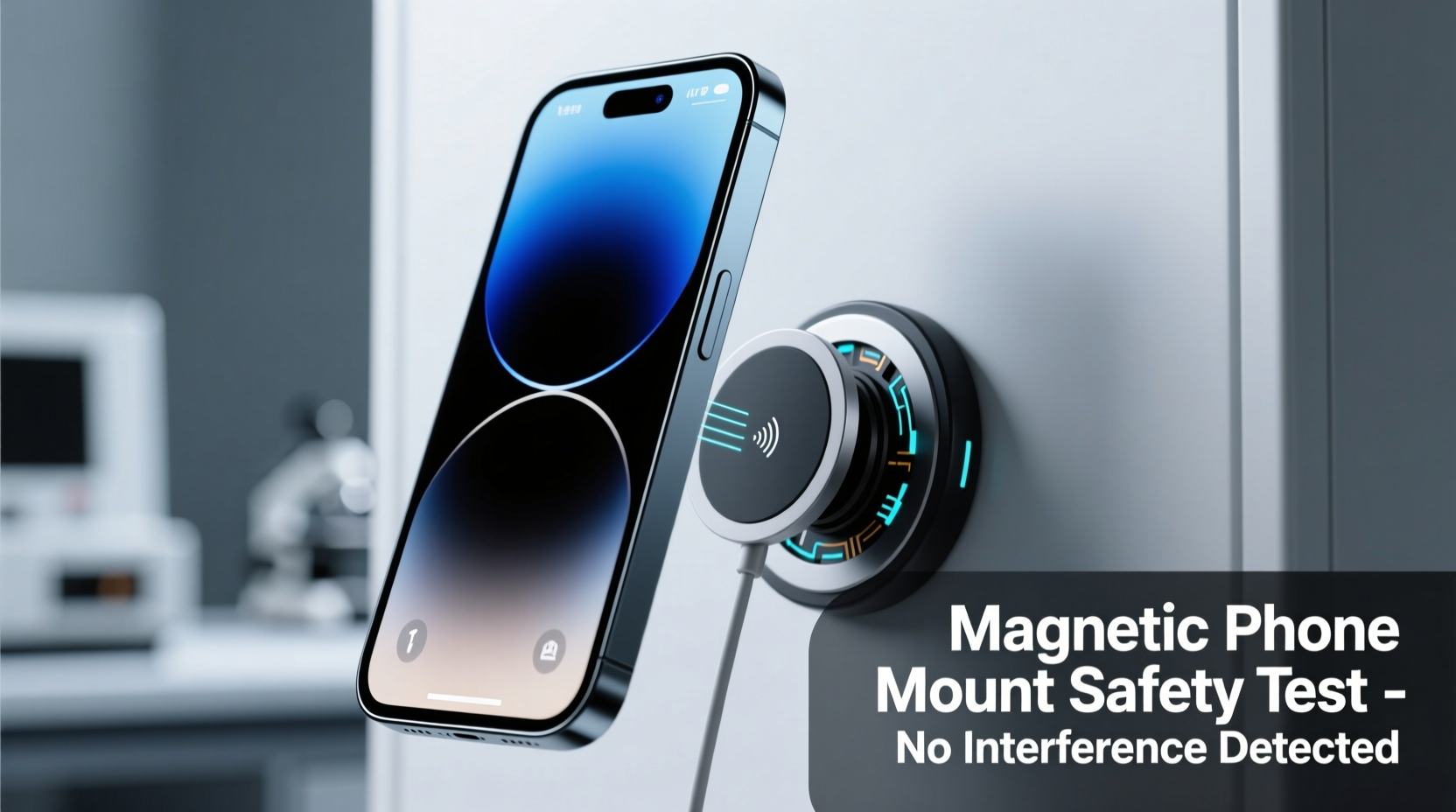
Magnetic phone mounts rely on a simple principle: attraction between two magnets. Most systems consist of a metal plate (often adhesive-backed) that attaches to the back of your phone or case, and a mount equipped with a strong magnet—usually made from neodymium, one of the most powerful permanent magnet materials available. When brought close, the magnet securely holds the phone in place.
There are two main types of magnetic mounts:
- Passive mounts: Use only magnets and metal plates, requiring no power or electronics.
- Active mounts: Include additional features like wireless charging or auto-sensing arms, often combining magnets with electronic components.
The strength of the magnet is calibrated to hold the phone firmly during sudden stops or bumpy roads, yet allow easy removal. However, this raises an important question: At what point does magnetic strength cross from useful to potentially harmful?
Potential Risks: Interference vs. Physical Damage
To assess safety, it’s essential to distinguish between temporary interference and permanent physical damage. The former may disrupt a function briefly; the latter implies lasting harm to hardware or performance.
1. Impact on Internal Sensors
Smartphones contain several sensors sensitive to magnetic fields:
- Magnetometer: Powers the digital compass and aids navigation apps.
- Accelerometer & Gyroscope: Detect motion and orientation.
- Proximity Sensor: Turns off the screen during calls.
A strong external magnet can temporarily distort readings from the magnetometer, causing the compass to point inaccurately. This effect is usually reversible—once the magnet is removed, calibration restores normal function.
“Magnetic interference with phone sensors is typically transient. Modern devices are designed with shielding, but prolonged exposure near strong fields isn’t ideal.” — Dr. Alan Reyes, Electronics Engineer at MobileTech Labs
2. Effects on Battery and Charging
Lithium-ion batteries, used in all modern smartphones, are not magnetic and aren’t affected by static magnetic fields. Magnets don’t drain battery life or degrade charge capacity under normal conditions.
However, issues may arise with wireless charging. Many magnetic mounts integrate Qi charging coils. If the metal plate interferes with coil alignment or creates eddy currents, efficiency drops and heat builds up. Excessive heat over time can accelerate battery aging.
3. Camera and Autofocus Systems
Newer smartphones use voice coil motors (VCMs) in camera modules for fast autofocus. These operate using electromagnetic principles. A nearby strong magnet could, in theory, disrupt VCM operation.
In practice, manufacturers shield camera systems well. Apple, for instance, uses ring-shaped magnets in its MagSafe ecosystem, which are carefully engineered to avoid interfering with internal components. Independent tests show minimal impact when compliant accessories are used.
Do Magnetic Mounts Cause Permanent Damage?
The short answer: Not under typical usage conditions.
Modern smartphones are built with resilience in mind. Critical components are shielded, and operating systems include error correction for sensor anomalies. While placing a phone directly on an industrial-strength magnet might pose risks, consumer-grade magnetic mounts fall far below that threshold.
That said, poor-quality mounts or improper installation can introduce indirect risks:
- Scratches or adhesive residue from metal plates.
- Heat buildup when combined with wireless charging.
- Interference with credit cards or medical devices if stored near the phone.
No credible reports exist of magnetic mounts erasing data, damaging processors, or killing batteries outright. The consensus among repair technicians and engineers is that the risk of permanent harm is negligible when using reputable products.
Real-World Case: Daily Commuter Using Magnetic Mount
Consider Mark, a 34-year-old sales executive who drives over 500 miles weekly. He installed a popular magnetic car mount six months ago, attaching a slim steel plate to his iPhone 14 case. Initially, he noticed the compass app behaved erratically during navigation. After recalibrating via Settings > Compass, accuracy improved significantly.
He also observed slightly warmer temperatures during summer commutes, especially when using GPS and wireless charging simultaneously. Switching to a non-metallic case and removing the metal plate when not needed reduced heat accumulation. After eight months, his phone shows no signs of hardware failure, and battery health remains at 97%.
Mark’s experience reflects broader user trends: minor, manageable side effects with no lasting damage when best practices are followed.
Expert Recommendations and Safety Checklist
To maximize safety and minimize risks, follow these expert-backed guidelines:
Safety Checklist for Magnetic Mount Users
- Use high-quality mounts from reputable brands (e.g., Spigen, Belkin, Anker).
- Avoid thick or double-layered metal plates that increase magnetic exposure.
- Check for compatibility with wireless charging before purchase.
- Remove the metal plate when not in use to prevent accidental interference.
- Keep phones away from pacemakers, smartwatches, and magnetic stripe cards.
- Monitor device temperature—discontinue use if excessive heat occurs.
- Recalibrate your compass monthly if used for navigation.
Comparison: Magnetic Mounts vs. Other Mount Types
| Mount Type | Pros | Cons | Safety Risk Level |
|---|---|---|---|
| Magnetic | Quick attachment, secure hold, compact design | Potential sensor interference, requires metal plate | Low (with proper use) |
| Clip/Gripper | No modifications to phone, universal fit | Bulkier, less stable on rough roads | Very Low |
| Vent Clip | Easy install, doesn’t block view | May obstruct airflow, unstable with large phones | Low |
| Suction Cup | Strong hold, flexible positioning | Fails in extreme heat, leaves residue | Low |
As shown, magnetic mounts rank similarly in safety to alternatives. Their primary trade-off is convenience versus minor electromagnetic considerations.
Best Practices for Safe Usage
To enjoy the benefits of magnetic mounts without compromising device integrity, follow this step-by-step guide:
Step-by-Step: Installing and Using a Magnetic Mount Safely
- Choose a compatible mount: Verify it supports your phone size and weight. Check reviews for heat or interference complaints.
- Select the right metal plate: Opt for ultra-thin, coated versions to reduce magnetic footprint.
- Clean the phone surface: Wipe with alcohol to remove oils before applying the adhesive plate.
- Position the plate correctly: Center it between top and bottom edges, avoiding camera bumps.
- Press firmly for 30 seconds: Ensure strong adhesion to prevent shifting.
- Test without driving first: Attach and detach multiple times to confirm stability.
- Calibrate sensors: Open compass app and perform figure-eight motion to recalibrate.
- Monitor performance: Watch for overheating, sluggish response, or GPS inaccuracies.
If any issues arise, remove the plate and test the phone independently. Often, problems stem from software glitches or environmental factors rather than the magnet itself.
Frequently Asked Questions
Can a magnetic mount erase my phone’s data?
No. Smartphones store data on flash memory chips, which are immune to magnetic fields. Unlike older hard drives, there’s no risk of data loss from consumer magnets.
Is it safe to leave my phone on a magnetic mount overnight?
Yes, provided the environment isn’t excessively hot. Prolonged exposure won’t damage internal parts, but avoid doing so in direct sunlight or enclosed spaces where heat builds up.
Do magnetic mounts affect 5G or Wi-Fi signals?
No significant impact has been documented. Metal plates may slightly attenuate signals if poorly placed, but this is rare and usually negligible in real-world use.
Final Verdict: Are Magnetic Phone Mounts Safe?
After evaluating technical specifications, real-world usage patterns, and expert insights, the conclusion is clear: magnetic phone mounts are safe for everyday use when chosen and installed responsibly. They do not cause permanent damage to smartphones under normal conditions. Temporary sensor interference can occur but is easily corrected. The convenience, reliability, and hands-free functionality they offer far outweigh the minimal risks—especially when mitigated through informed choices.
Manufacturers continue refining designs to reduce magnetic footprint and improve integration with wireless charging. As technology evolves, so does safety. For now, users can confidently adopt magnetic mounts as long as they prioritize quality, proper placement, and routine device monitoring.




 浙公网安备
33010002000092号
浙公网安备
33010002000092号 浙B2-20120091-4
Comments
No comments yet. Why don't you start the discussion?