
In an age where desk jobs dominate and screen time has skyrocketed, poor posture has become a modern epidemic. Slouching over laptops, hunching over phones, and sitting for hours without movement have led to widespread complaints of neck pain, back strain, and chronic discomfort. Enter the posture corrector—a wearable device promising to realign your spine, strengthen your back muscles, and restore proper posture. But beneath the sleek marketing and celebrity endorsements lies a growing debate: are these devices genuinely effective, or are they just uncomfortable props offering temporary relief with no long-term benefits?
This article dives deep into the mechanics, research, and real-world outcomes of posture correctors. From biomechanical principles to clinical studies and everyday user experiences, we’ll separate fact from fiction and help you determine whether investing in one is worth it—or if better alternatives exist.
The Science Behind Posture and Spinal Alignment
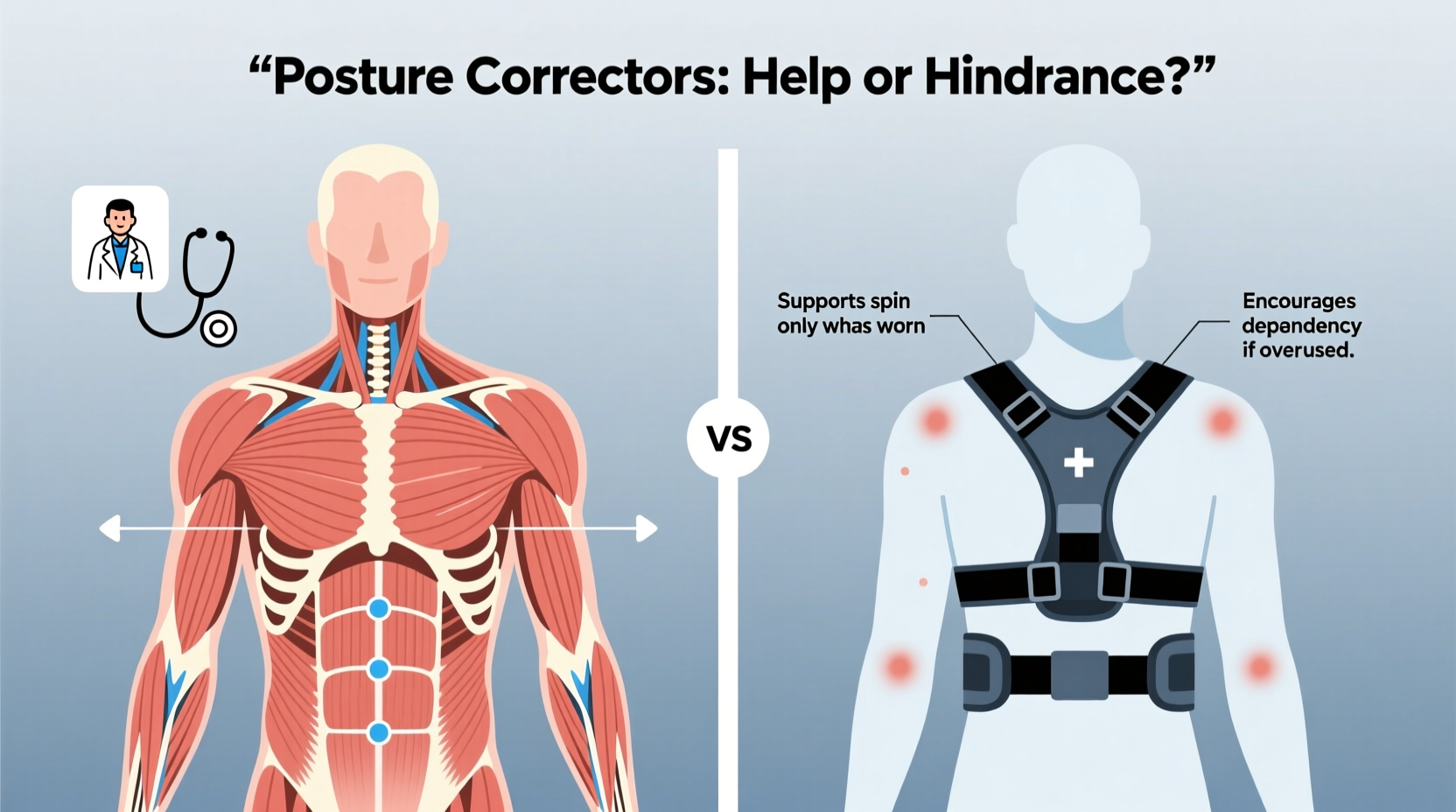
Good posture isn’t just about looking confident; it’s about maintaining the natural curves of the spine. The human spine has three primary curves: cervical (neck), thoracic (upper back), and lumbar (lower back). These curves work together to distribute mechanical stress during movement and rest. When posture deteriorates—often due to prolonged sitting or muscle imbalances—these curves can flatten or exaggerate, leading to musculoskeletal strain.
Poor posture commonly manifests as forward head posture, rounded shoulders, and increased thoracic kyphosis (commonly called “hunchback”). Over time, this misalignment can compress nerves, reduce lung capacity, and contribute to chronic pain in the neck, shoulders, and upper back.
Muscle imbalances play a key role. Weakness in the deep neck flexors, lower trapezius, and serratus anterior, combined with tightness in the pectorals and upper trapezius, pull the body into a slouched position. Correcting this requires more than just physical repositioning—it demands neuromuscular re-education and strength development.
How Posture Correctors Work: Design and Mechanism
Posture correctors come in various forms—brace-like shirts, shoulder straps, clavicle supports, and even smart wearables that vibrate when slouching is detected. Most function by pulling the shoulders back and limiting forward flexion of the spine, forcing the wearer into an upright position.
The underlying assumption is simple: by holding the body in correct alignment, the brain will learn to maintain that position naturally over time. This concept draws from proprioceptive feedback—the body’s ability to sense its spatial orientation. Devices aim to \"retrain\" postural habits through consistent reinforcement.
However, this mechanism raises concerns. While immediate visual improvement is often noticeable, critics argue that many correctors act like external crutches. Instead of engaging stabilizing muscles, users may rely on the device to do the work, potentially weakening those very muscles over time.
A 2020 study published in the Journal of Physical Therapy Science examined the short-term effects of posture braces on scapular positioning. It found that while shoulder angle improved during wear, there was no significant carryover once the device was removed. This suggests limited neuro-motor adaptation—the kind needed for lasting change.
“Wearing a posture corrector is like using a sling for a sprained wrist—you’re immobilizing the area instead of rehabilitating it.” — Dr. Lena Torres, DPT, Orthopedic Rehabilitation Specialist
Do They Actually Help? A Balanced Evaluation
The answer depends on how “help” is defined. If the goal is immediate postural improvement during wear, then yes—most correctors deliver visible results. But if the objective is long-term postural correction and reduced pain, the evidence is far less convincing.
Let’s break down the potential benefits and drawbacks:
| Benefits | Drawbacks |
|---|---|
| Immediate visual correction of slouching | Can cause discomfort, skin irritation, or nerve compression |
| Raises awareness of poor posture habits | May lead to muscle dependency and atrophy |
| Useful as a short-term reminder during rehabilitation | Limited evidence of long-term efficacy |
| Some models integrate well with clothing | Improper use can worsen spinal alignment |
One common misconception is that posture correctors build muscle. In reality, most passive braces restrict movement rather than activate muscles. Active training tools—such as resistance bands or targeted exercises—are far more effective for strengthening postural support systems.
That said, some users report subjective improvements in pain and alertness. This may be due to increased body awareness rather than structural change. For example, feeling the brace tighten when slouching can prompt conscious correction, fostering mindfulness about posture throughout the day.
Mini Case Study: Office Worker with Chronic Neck Pain
Mark, a 34-year-old software developer, began experiencing persistent neck and shoulder pain after transitioning to remote work. After months of discomfort, he purchased a popular posture brace advertised online. Within days, his coworkers noticed he sat “taller” during video calls. Mark felt more confident and reported reduced pain initially.
However, after six weeks of near-daily use, he found that removing the brace led to worse slouching than before. His upper back muscles felt fatigued, and he became dependent on the device to feel “aligned.” Upon consulting a physical therapist, he learned that his rhomboids and lower traps had weakened from disuse. The therapist recommended discontinuing the brace and starting a targeted exercise program focusing on scapular stabilization and core engagement.
Within three months of consistent exercise, Mark’s posture improved sustainably—and without external support.
Better Alternatives: Building Posture Through Movement
If posture correctors aren’t the solution, what is? Experts agree that sustainable posture improvement comes not from external devices, but from internal strength, mobility, and habit formation.
Here’s a step-by-step guide to building better posture naturally:
- Assess Your Posture: Use full-length mirrors or smartphone photos to evaluate alignment. Look for ear-to-shoulder-to-hip symmetry.
- Improve Thoracic Mobility: Spend 5–10 minutes daily on foam rolling and rotational stretches to reverse stiffness in the upper back.
- Strengthen Key Muscles: Focus on exercises like rows, face pulls, prone Y-T-W raises, and dead bugs to activate underused postural muscles.
- Stretch Tight Areas: Incorporate chest openers (doorway stretches), chin tucks, and levator scapulae stretches into your routine.
- Optimize Your Workspace: Adjust chair height, monitor position (top at eye level), and keyboard placement to support neutral alignment.
- Practice Mindful Sitting: Set hourly reminders to reset posture. Engage your core, retract shoulders, and keep feet flat on the floor.
- Move Frequently: Break up sitting every 30–60 minutes with standing, walking, or dynamic stretches.
Checklist: Sustainable Posture Improvement Plan
- ✅ Perform posture assessment weekly
- ✅ Complete 3–4 strength sessions per week targeting upper back and core
- ✅ Stretch chest and neck muscles daily
- ✅ Take movement breaks every hour
- ✅ Adjust workstation ergonomics (chair, monitor, lighting)
- ✅ Practice diaphragmatic breathing to engage deep core stabilizers
- ✅ Track progress with monthly photos or journal notes
When Might a Posture Corrector Be Useful?
While not ideal for long-term use, posture correctors can serve specific, limited purposes under professional guidance:
- Short-term cueing during rehab: Physical therapists sometimes recommend brief use (15–30 minutes) to help patients recognize proper alignment.
- Post-surgical support: After certain spinal procedures, doctors may prescribe medical-grade braces for stability.
- Behavioral feedback: Smart wearables with vibration alerts can increase awareness without restricting motion.
The key is integration—not replacement. A posture corrector should never substitute for active training. Think of it as a temporary teaching aid, not a permanent fix.
“Devices don’t fix posture. Movement does. The nervous system learns alignment through repetition of correct motion, not passive restraint.” — Dr. Arjun Patel, Sports Medicine Physician
Frequently Asked Questions
Can wearing a posture corrector make my posture worse?
Yes, if used excessively or incorrectly. Long-term reliance can lead to muscle inhibition and reduced proprioception, making it harder to maintain good posture without the device. Some designs may also encourage hyperextension of the lower back or excessive shoulder retraction, creating new imbalances.
How long should I wear a posture corrector if I choose to use one?
If used at all, limit wear to 15–30 minutes at a time, no more than once or twice daily. Never sleep in one or wear it during intense physical activity. Always pair use with active exercises to avoid dependency.
Are there any risks associated with posture correctors?
Potential risks include skin irritation, restricted breathing, nerve compression (especially in the brachial plexus), and altered movement patterns. Individuals with respiratory conditions, spinal injuries, or circulatory issues should consult a healthcare provider before use.
Conclusion: Rethinking the Quick Fix
Posture correctors tap into a legitimate need: the desire to feel better, move better, and look better. But their promise of effortless correction oversimplifies a complex issue. True postural health isn’t achieved through constraint—it’s built through consistency, awareness, and intelligent movement.
Instead of spending money on a brace that may weaken your muscles, invest time in strengthening them. Learn how to sit, stand, and move with intention. Reclaim control over your body through exercise, ergonomics, and mindful habits. That’s where real, lasting change begins.




 浙公网安备
33010002000092号
浙公网安备
33010002000092号 浙B2-20120091-4
Comments
No comments yet. Why don't you start the discussion?