
For dog owners of power chewers—dogs that demolish plush toys in minutes and crack standard rubber bones like pretzels—finding safe, durable, and engaging enrichment is a constant challenge. Subscription boxes for dogs have surged in popularity over the past decade, promising curated treats, toys, and surprises delivered monthly. But when your dog is a relentless chewer, the question isn’t just about novelty or convenience—it’s about value. Are these boxes truly worth the investment, or do they deliver flimsy items that end up shredded on day one?
This article examines the economics, toy quality, and long-term sustainability of dog subscription services specifically through the lens of heavy chewers. We’ll compare pricing models, evaluate toy durability, and explore alternatives so you can make an informed decision without wasting money on short-lived novelties.
Understanding the Heavy Chewer Challenge
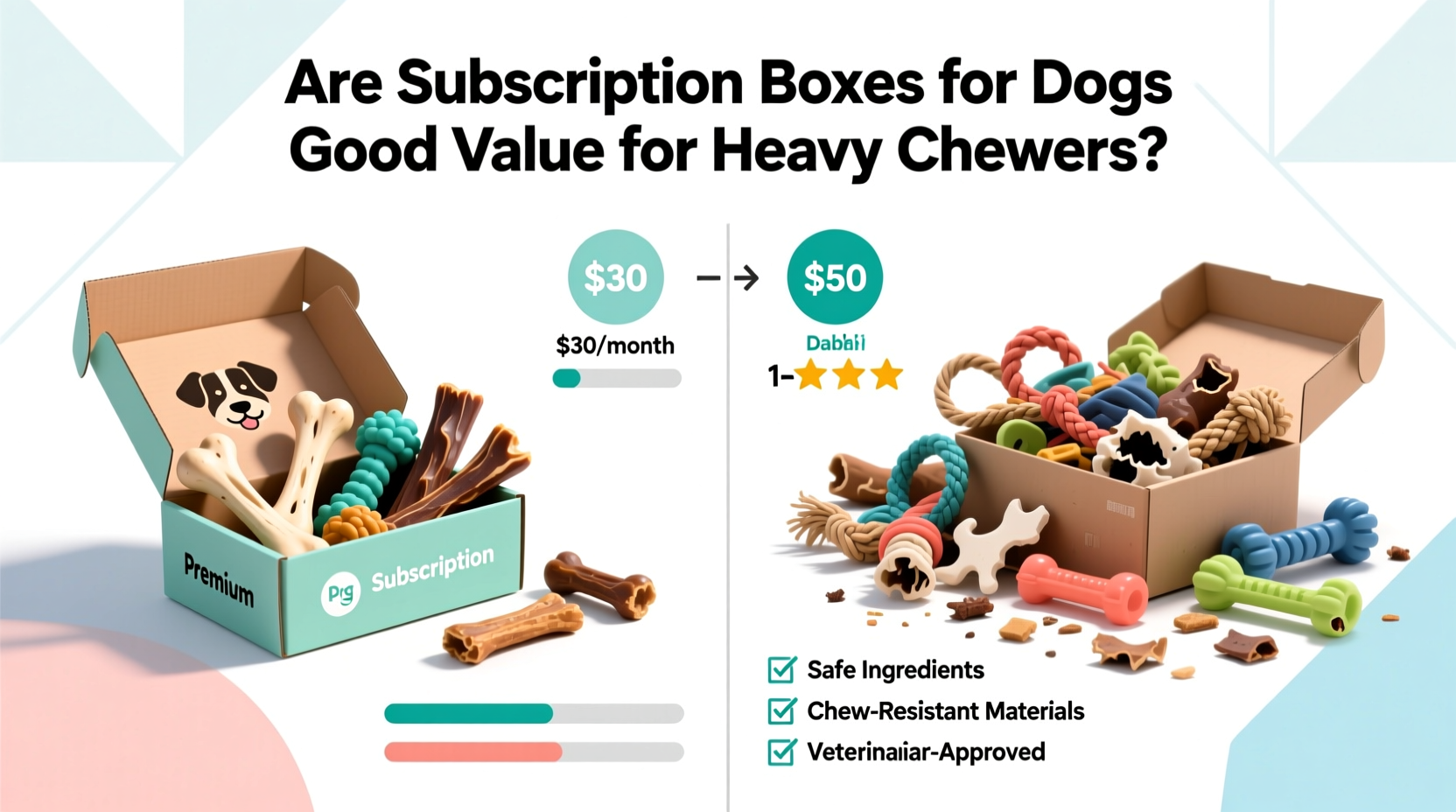
Dogs classified as “heavy chewers” typically exhibit behaviors such as intense jaw strength, persistent gnawing, and rapid destruction of conventional dog toys. Breeds like German Shepherds, Pit Bulls, Rottweilers, and Australian Cattle Dogs are commonly prone to this behavior, though any dog can be a strong chewer due to boredom, anxiety, or natural instinct.
The risks associated with inadequate chew toys go beyond financial waste. Ingesting fragments of soft plush or brittle rubber can lead to intestinal blockages, dental damage, or choking hazards. For responsible pet owners, durability and safety are non-negotiable.
Subscription boxes often market themselves as fun, surprise-filled experiences—but for heavy chewers, the emphasis must shift from entertainment to endurance. The core issue becomes: do most subscription services prioritize long-lasting materials, or do they default to mass-market toys designed for casual play?
How Dog Subscription Boxes Work: A Breakdown
Most dog subscription services operate on a monthly model, offering tiered plans based on box size, toy count, treat quality, and customization options. Common features include:
- Curated selection of 2–5 items per month (toys, treats, chews)
- Customization by breed, size, dietary needs, or activity level
- Themed boxes (e.g., holiday, seasonal, training-focused)
- Free shipping and flexible cancellation
Pricing varies widely, from $20 to over $60 per month. Entry-level boxes tend to include basic plush toys and generic biscuits, while premium tiers promise higher-quality treats and “tough” toys made from nylon, rubber, or reinforced fabric.
However, marketing terms like “tough,” “durable,” or “chew-resistant” are not standardized. What qualifies as tough for a Chihuahua may not survive five minutes with a determined Labrador. This lack of consistency creates a significant risk for heavy chewer owners.
Common Toy Materials in Subscription Boxes
| Material | Typical Use | Suitability for Heavy Chewers | Common Brands Using It |
|---|---|---|---|
| Plush/Fabric | Cuddle toys, squeaky novelties | Poor – easily destroyed, high ingestion risk | BarkBox, PupBox |
| Latex Rubber | Bouncy balls, teething rings | Fair – punctures under sustained pressure | Kong, Nylabone (limited) |
| Nylon/Composite | Durable chew sticks, bones | Good – resists cracking and splintering | Nylabone, Petstages, some BarkBox Tough lines |
| Reinforced Fabric | Multilayer tug toys, fetch discs | Variable – depends on stitching and density | West Paw, Planet Dog, occasional premium subs |
| Edible Chews (Rawhide Alternatives) | Dental treats, bully sticks, yak chews | High engagement but temporary – monitor consumption | Most boxes include at least one per month |
The table illustrates a key insight: many subscription boxes rely heavily on plush and low-grade rubber—materials unsuitable for aggressive chewers. While some brands offer “tough” upgrade options, these are often limited and come at a higher price point.
Cost vs. Longevity: Is It Really a Good Deal?
To assess value, consider both upfront cost and lifespan of included items. A $30 box might seem reasonable—until every toy is destroyed within hours.
Let’s analyze two scenarios:
Scenario 1: Standard Box (Non-Tough Focused)
- Price: $28/month
- Contents: 1 plush toy, 1 rubber ball, 3 treats
- Lifespan: 15 minutes (plush), 2 days (ball), treats consumed immediately
- Effective cost per hour of engagement: ~$1.40/hour
Scenario 2: Premium “Tough” Box
- Price: $55/month
- Contents: 1 reinforced tug toy, 1 nylon bone, 1 edible chew, 2 durable treats
- Lifespan: 2 weeks (tug), 3 weeks (nylon), chew lasts 1–2 days
- Effective cost per hour of engagement: ~$0.15/hour
While the premium box costs nearly double, its items last significantly longer, resulting in better value over time. However, even these “tough” toys aren’t immune to eventual destruction—especially with extreme chewers.
“Many subscription boxes fail heavy chewers because they source toys designed for average dogs. True durability requires purpose-built materials like high-density rubber or ballistic nylon—we don’t see enough of that in mainstream boxes.” — Dr. Lena Torres, Veterinary Behaviorist & Canine Enrichment Specialist
Real-World Example: Max, the Border Collie Mix
Max, a 45-pound Border Collie mix adopted from a shelter, has a compulsive chewing habit rooted in anxiety. His owner, Sarah, subscribed to a popular mid-tier dog box service for six months, spending $168 total.
Each month, Max received a plush dinosaur, a rubber ring, and a few treats. He dismantled the plush toy within 10 minutes and cracked the rubber ring within two days. After three months, Sarah noticed shards of rubber in Max’s stool and discontinued use of the rubber toys.
Frustrated, she switched to a specialty tough-toy subscription that focused on non-toxic nylon chews and West Paw Zogoflex toys. Though the monthly cost increased to $48, each toy lasted 3–4 weeks. Over the same six-month period, Max remained engaged, safer, and Sarah felt the investment was justified.
Her takeaway: “The cheaper box felt like a waste. The expensive one paid for itself in fewer vet worries and longer-lasting toys.”
How to Choose a Subscription That Works for Heavy Chewers
Not all dog boxes are created equal. If you're considering a subscription for a power chewer, follow this checklist to maximize value and safety.
✅ Checklist: Selecting a Chewer-Friendly Subscription
- Look for explicit “tough chewer” or “power chewer” categories. Some services, like BarkBox Tough or Chewy’s Chew Crew, specialize in durable products.
- Avoid boxes that feature mostly plush toys. If more than 50% of sample boxes show soft toys, it’s not suitable.
- Check material disclosures. Prioritize boxes that list specific materials like TPE rubber, nylon, or recycled plastics.
- Read customer reviews focused on durability. Search for phrases like “lasted more than a week” or “survived my German Shepherd.”
- Confirm return or exchange policies for damaged goods. Some companies replace broken toys if reported quickly.
- Consider customization. Services allowing toy preferences (e.g., “no plush”) improve relevance.
Step-by-Step Guide to Evaluating a New Box
- Research the brand’s target audience. Visit their website and look for references to “aggressive chewers” or “durable toys.”
- Review past box archives. Most companies post photos of previous months’ contents—analyze materials used.
- Start with a single-month trial. Avoid annual commitments until you’ve tested durability firsthand.
- Monitor your dog’s interaction. Time how long each toy lasts and note any safety concerns.
- Compare cost per week of engagement. Divide the box price by the number of usable days across all toys.
- Decide: renew, switch, or abandon. Be honest about whether the value matches your dog’s needs.
Alternatives to Monthly Subscriptions
For some heavy chewer owners, subscriptions may never offer sufficient value. Consider these alternatives:
- Buy durable toys in bulk. High-quality chew toys from brands like West Paw or Planet Dog can be purchased once and last months—even years—with proper care.
- Use treat subscription only. Skip toys entirely and opt for treat-only boxes, which pose less safety risk and offer consistent value.
- Create a DIY chew rotation. Buy 3–4 tough toys and rotate them weekly to maintain novelty without ongoing cost.
- Join online communities. Reddit forums like r/DogToys or Facebook groups often share real-user testing results for chew-proof claims.
In many cases, a hybrid approach delivers the best outcome: using subscriptions selectively for treats and novel chews, while investing independently in vetted, long-lasting toys.
FAQ: Common Questions About Dog Boxes for Heavy Chewers
Can I trust “indestructible” toy claims in subscription boxes?
No toy is truly indestructible. Terms like “indestructible” are marketing language. Even the toughest rubber or nylon can break under extreme chewing. Supervise your dog and replace toys at the first sign of wear, especially around edges or seams.
Are there subscription boxes specifically for aggressive chewers?
Yes. Services like BarkBox Tough, Chewy’s Chew Crew, and Tuff Chews focus exclusively on durable toys and long-lasting edibles. These tend to cost more ($40–$60/month) but are far more appropriate for power chewers than general boxes.
What should I do if my dog destroys a toy from the box quickly?
First, ensure no pieces were ingested. Then, contact the company—some offer replacements or refunds for durability issues. Use the experience to refine your selection criteria for future boxes. You may need to upgrade to a tougher tier or discontinue toy subscriptions altogether.
Conclusion: Value Depends on Your Dog’s Needs
Subscription boxes for dogs can be a fun and convenient way to provide variety, but their value for heavy chewers hinges on one critical factor: toy durability. Generic boxes filled with plush and flimsy rubber are poor investments, often leading to wasted money and potential health risks. However, specialized services that prioritize high-strength materials and cater explicitly to aggressive chewers can offer meaningful engagement and long-term savings.
The key is research, realism, and selective participation. Don’t assume all boxes are equal. Read reviews, inspect materials, and test cautiously. For many owners, combining a treat-focused subscription with independently purchased, proven durable toys delivers the optimal balance of novelty, safety, and value.




 浙公网安备
33010002000092号
浙公网安备
33010002000092号 浙B2-20120091-4
Comments
No comments yet. Why don't you start the discussion?