
When a recipe calls for ancho chiles and your pantry comes up short, the search for a reliable substitute becomes urgent. Anchos are a cornerstone of Mexican cuisine—prized for their deep, fruity complexity and mild heat—but they’re not always accessible outside specialty markets or in certain regions. Understanding what makes an ancho chile unique allows you to make informed swaps without sacrificing authenticity or depth. Whether you're crafting mole, simmering chili, or building a smoky salsa, knowing which dried chiles or spice blends can step in—and how they differ—is essential for maintaining balance in flavor, color, and texture.
Definition & Overview
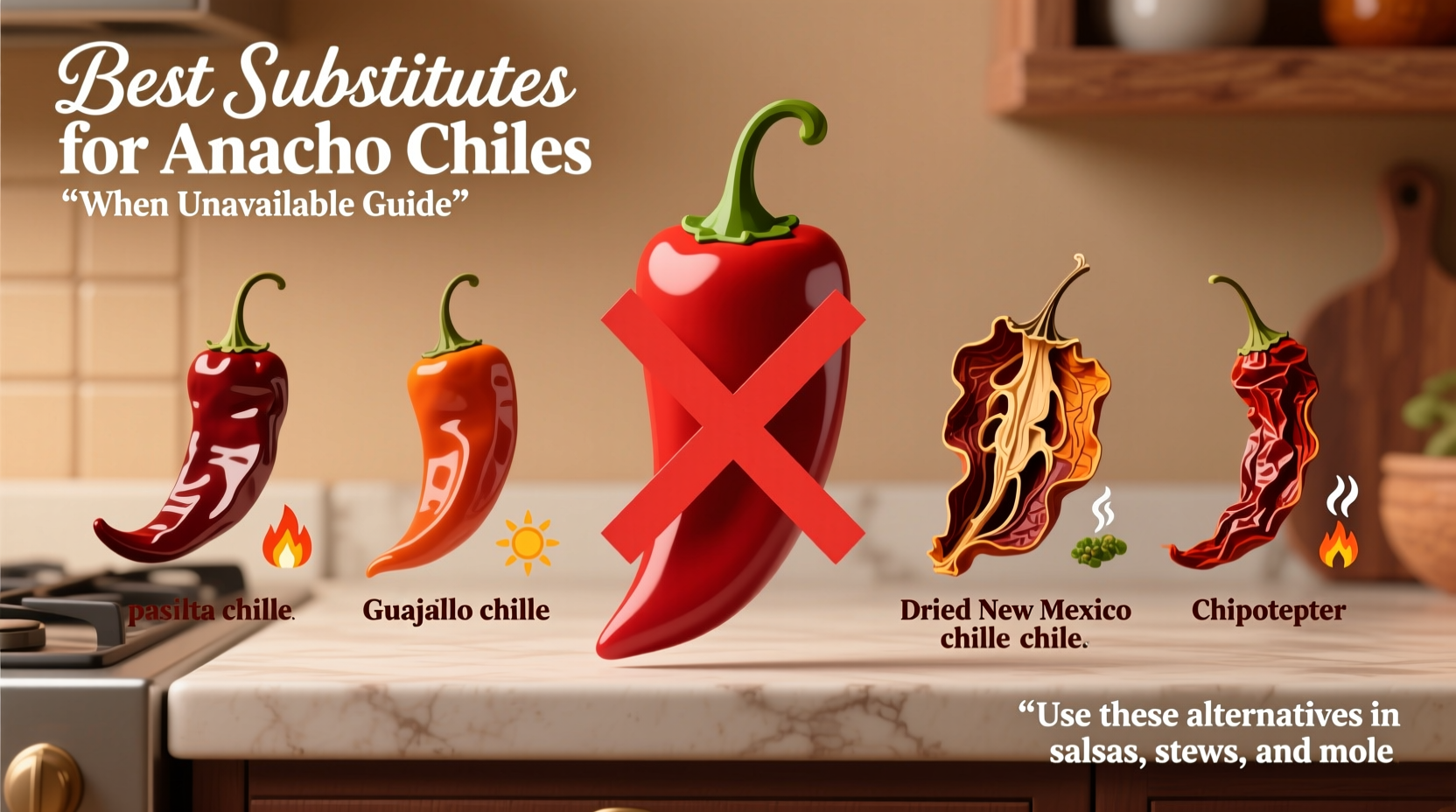
Ancho chiles are dried poblano peppers, harvested at full maturity, then dehydrated to concentrate their flavor. Native to Mexico, they belong to the *Capsicum annuum* species and are one of the most widely used dried chiles in traditional Mexican cooking. The name “ancho” means “wide” in Spanish, referring to their broad, flat shape. After drying, they develop a deep mahogany hue and a leathery texture, easily rehydrated for use in sauces, stews, and marinades.
Their flavor is often described as earthy, raisin-like, with subtle notes of cocoa, coffee, and dried cherry. Mild on the Scoville scale—typically between 1,000 and 2,000 units—they provide warmth rather than burn, making them ideal for dishes where heat must remain in the background. Anchored by sweetness and fruitiness, ancho chiles form the base of many complex spice blends and regional moles, especially in Oaxaca and Puebla.
Key Characteristics
| Characteristic | Detail |
|---|---|
| Origin | Mexico (from dried poblano peppers) |
| Flavor Profile | Earthy, fruity (raisin, plum), hints of chocolate, tobacco, and mild sweetness |
| Aroma | Dried fruit, roasted pepper, faint smokiness |
| Heat Level | Mild (1,000–2,000 SHU) |
| Color | Deep reddish-brown to dark maroon |
| Culinary Function | Base flavoring agent, thickener, color enhancer, aroma builder |
| Shelf Life | 6–12 months when stored in a cool, dark, airtight container |
| Common Forms | Whole dried, ground powder, paste |
Practical Usage
In both home and professional kitchens, ancho chiles serve multiple roles beyond mere seasoning. They are typically stemmed, seeded, and rehydrated in hot water before being blended into smooth sauces. This process unlocks their full-bodied texture and dissolves soluble flavor compounds into liquids. In mole negro, for example, anchos contribute body and sweetness that counterbalance bitter cacao and spicy pasillas.
To use whole ancho chiles:
- Remove stems and shake out seeds (retain some if more heat is desired).
- Toast lightly in a dry skillet over medium heat for 15–30 seconds per side to intensify aroma.
- Soak in hot water for 15–20 minutes until pliable.
- Blend with broth, garlic, onions, or other aromatics to form a puree.
This puree can be strained and incorporated into braises, soups, or rubs. Ground ancho powder is excellent for dry rubs on meats or dusting over roasted vegetables. A typical ratio is 1 tablespoon of ground ancho per 1–2 whole dried chiles, depending on desired concentration.
Pro Tip: Never skip the toasting step when substituting whole chiles—it dramatically enhances depth and reduces raw, vegetal notes. Use a cast-iron skillet and monitor closely; burning creates bitterness.
Variants & Types
Ancho chiles exist primarily in three forms, each suited to different applications:
- Whole Dried: Most authentic form; ideal for rehydration and blending into sauces. Offers full control over texture and potency.
- Ground Powder: Convenient for rubs, spice mixes, and quick additions to soups or stews. May lose aromatic complexity faster due to increased surface area.
- Paste or Puree: Pre-made from reconstituted chiles, sometimes mixed with vinegar or oil. Found in jars or tubes; useful for consistent results but may contain preservatives or added salt.
While all derive from the same source, shelf life varies significantly. Whole dried chiles retain quality longest—up to a year if stored properly—while powders degrade within 6 months. Pastes last several weeks refrigerated once opened.
Comparison with Similar Ingredients
Several dried chiles resemble ancho chiles visually or functionally but differ critically in taste and application. Confusing them can alter a dish’s character entirely.
| Chile | Flavor Profile | Heat Level (SHU) | Best Substitute For | Key Difference |
|---|---|---|---|---|
| Guajillo | Tart, cranberry-like, green tea notes | 2,500–5,000 | Moderate substitute (color match) | Bright acidity vs. ancho’s sweetness; thinner flesh |
| Pasilla | Smoky, prune, licorice | 1,000–2,500 | Partial substitute (depth only) | More pronounced smoke and bitterness |
| Mulato | Chocolate, vanilla, caramelized sugar | 900–1,500 | Closest relative; often paired with ancho | Sweeter, less fruity; darker roast profile |
| Chipotle (dried) | Smoked jalapeño, campfire, leather | 2,500–8,000 | Not ideal unless smoke is primary goal | Overpowering smoke masks ancho’s nuance |
“Ancho chiles are the bassline of Mexican sauce work—the low, resonant tone that supports brighter highs. Replace them carelessly, and the harmony collapses.” — Chef Elena Ruiz, Culinary Instructor, Instituto Culinario de México
Best Substitutes for Ancho Chiles
No single ingredient perfectly replicates the ancho’s balance of sweetness, earthiness, and mild heat. However, strategic substitutions—alone or combined—can preserve the spirit of the dish.
1. Mulato Chile (Top Choice)
Mulatos are also made from dried poblanos but from a different cultivar and grown under distinct conditions, resulting in a darker, sweeter profile. They share the same mild heat range and similar body when blended. While less fruity, mulatos offer deeper chocolate and vanilla notes, making them ideal in moles or rich stews. Use a 1:1 ratio in recipes requiring slow-simmered depth.
2. Guajillo Chile + Sweet Paprika Blend
Guajillos provide the right red color and moderate heat but lack sweetness. Combine ¾ guajillo puree with ¼ sweet paprika (preferably smoked *pimentón dulce*) to approximate ancho’s roundness. Toast and soak one guajillo per ancho called for, then blend with ½ teaspoon paprika per cup of soaking liquid. This mix works well in salsas and adobos.
3. Pasilla Chile (With Sugar Adjustment)
Pasillas bring earthy depth and moderate heat but tend toward bitterness. To compensate, add ¼ teaspoon brown sugar or honey per chile when blending. Best reserved for savory dishes like carnitas or bean soups where sweetness plays a minor role.
4. New Mexico Chile
Grown in the U.S. Southwest, these dried red chiles are milder than their spicier Hatch counterparts. Their flavor leans herbal and slightly tangy, closer to bell pepper than fruit. Rehydrate and use one-to-one, but expect a leaner, less opulent result. Ideal for chili con carne or enchilada sauces where tomatoes dominate.
5. Ancho Chile Powder (If Only Form Differs)
If the issue is availability of whole chiles, not the ingredient itself, ground ancho is a direct swap. Use 1 teaspoon ground ancho per 1 whole dried chile. Sift into dry rubs or dissolve in warm oil before adding to wet ingredients to prevent clumping.
6. Smoked Paprika and Raisin Blend (Emergency Pantry Hack)
When no dried chiles are available, create a makeshift substitute: blend 1 tablespoon smoked paprika, 1 chopped raisin or ½ teaspoon molasses, ¼ teaspoon cumin, and a pinch of garlic powder. Mix with 2 tablespoons hot water to form a paste. This mimics color, mild sweetness, and faint smoke. Suitable only for quick sauces or marinades, not traditional moles.
Blending Tip: Always strain chile purees through a fine-mesh sieve to remove tough skins and achieve silky texture—especially important when using substitutes that may have inconsistent fiber content.
Combination Substitution Strategy
For maximum fidelity, combine two substitutes to replicate multiple dimensions of the ancho:
- Fruitiness + Earthiness: 50% guajillo + 50% mulato
- Sweetness + Body: 1 pasilla + 1 tsp tomato paste + ½ tsp maple syrup
- Color + Mild Heat: 1 New Mexico chile + ½ tsp sweet paprika
This layered approach mirrors restaurant-level technique, where chefs build flavor profiles from components rather than relying on single ingredients.
Practical Tips & FAQs
Can I use fresh poblano peppers instead of ancho chiles?
No—not directly. Fresh poblanos lack the concentrated, fruity depth developed during drying. However, you can roast, peel, and purée them to mimic texture. Expect a greener, more vegetal flavor. For better results, reduce the purée by half over low heat to concentrate flavor, then add a touch of molasses or dried fruit to simulate sweetness.
How do I store leftover ancho chiles or substitutes?
Store whole dried chiles in an airtight glass jar away from light and heat. Include a food-safe desiccant packet to absorb moisture. Ground spices should be kept in opaque containers and used within six months. Label with purchase date. Refrigeration extends shelf life of pastes and homemade blends.
Are canned chipotles in adobo a good substitute?
Only if smoke is acceptable. Chipotles are smoked jalapeños—spicier and more aggressive than anchos. If used, rinse off excess adobo sauce and blend with a sweet element like dates or applesauce to mute heat. Use sparingly: ½ chipotle per ancho chile maximum.
What dishes absolutely require an ancho chile?
Traditional moles (especially mole poblano), ancho-rubbed short ribs, pozole rojo, and certain tamales rely heavily on ancho’s unique profile. Simpler dishes like black bean soup or taco seasoning are more forgiving and adapt well to substitutes.
Can I omit ancho chiles entirely?
You can, but the dish will lose foundational depth. Omitting anchos is like removing oregano from Italian tomato sauce—technically possible, but structurally diminished. At minimum, replace with a combination of sweet paprika and a touch of cumin to maintain color and warmth.
Is there a non-spicy alternative for sensitive palates?
Yes. Sweet paprika alone provides color and mild pepper flavor without any heat. For more complexity, blend with a small amount of pureed sun-dried tomato or roasted red bell pepper. These add umami and body without capsaicin.
Expert Case Study: Substituting in Mole Poblano
In a test kitchen evaluation, a traditional mole poblano was prepared three ways: with authentic ancho chiles, with mulato-only substitution, and with a guajillo-paprika blend. Tasters included professional chefs and experienced home cooks.
- Ancho Version: Balanced, fruity, with seamless integration of chocolate and nuts.
- Mulato Version: Richer, sweeter, slightly darker; preferred by 60% of panelists for its dessert-like depth.
- Guajillo-Paprika Version: Brighter acidity, less rounded; deemed acceptable but “missing the soul” by two judges.
Conclusion: Mulato chiles can stand in seamlessly, even enhancing certain aspects. Guajillo blends require additional sweetening and longer simmering to integrate fully.
Summary & Key Takeaways
Ancho chiles are irreplaceable in their full complexity, but effective substitutes exist when necessity demands. The key lies in understanding their core attributes—mild heat, fruity sweetness, earthy depth, and thickening ability—and selecting alternatives that either mirror these traits or combine to recreate them.
- Mulato chiles are the closest single substitute, offering similar mildness and richer sweetness.
- Guajillo-chile blends with sweet paprika restore color and partial flavor but need sugar adjustment.
- Combination strategies (e.g., pasilla + tomato paste + sweetener) yield superior results in complex dishes.
- Always toast and rehydrate dried chiles before use to maximize flavor extraction.
- Store properly to extend usability and preserve volatile oils.
Final Advice: Keep a small stash of whole ancho chiles vacuum-sealed in the freezer—they’ll last over a year and be ready when inspiration strikes. If unavailable locally, reputable online spice merchants offer high-quality, freshly harvested batches shipped globally.




 浙公网安备
33010002000092号
浙公网安备
33010002000092号 浙B2-20120091-4
Comments
No comments yet. Why don't you start the discussion?