
A custom potato bar is more than just a side dish—it’s an interactive dining experience that transforms humble spuds into a centerpiece of flavor, texture, and personalization. Whether hosting a weekend brunch, holiday dinner, or backyard barbecue, a well-designed potato bar accommodates diverse tastes, dietary needs, and culinary curiosity. Unlike static sides, this format invites guests to engage directly with their food, layering textures and flavors according to preference. The concept leverages the universal appeal of potatoes while elevating them through thoughtful curation of toppings, cooking techniques, and presentation. With minimal prep and maximum impact, a potato bar delivers restaurant-style customization in a home-friendly format.
Definition & Overview
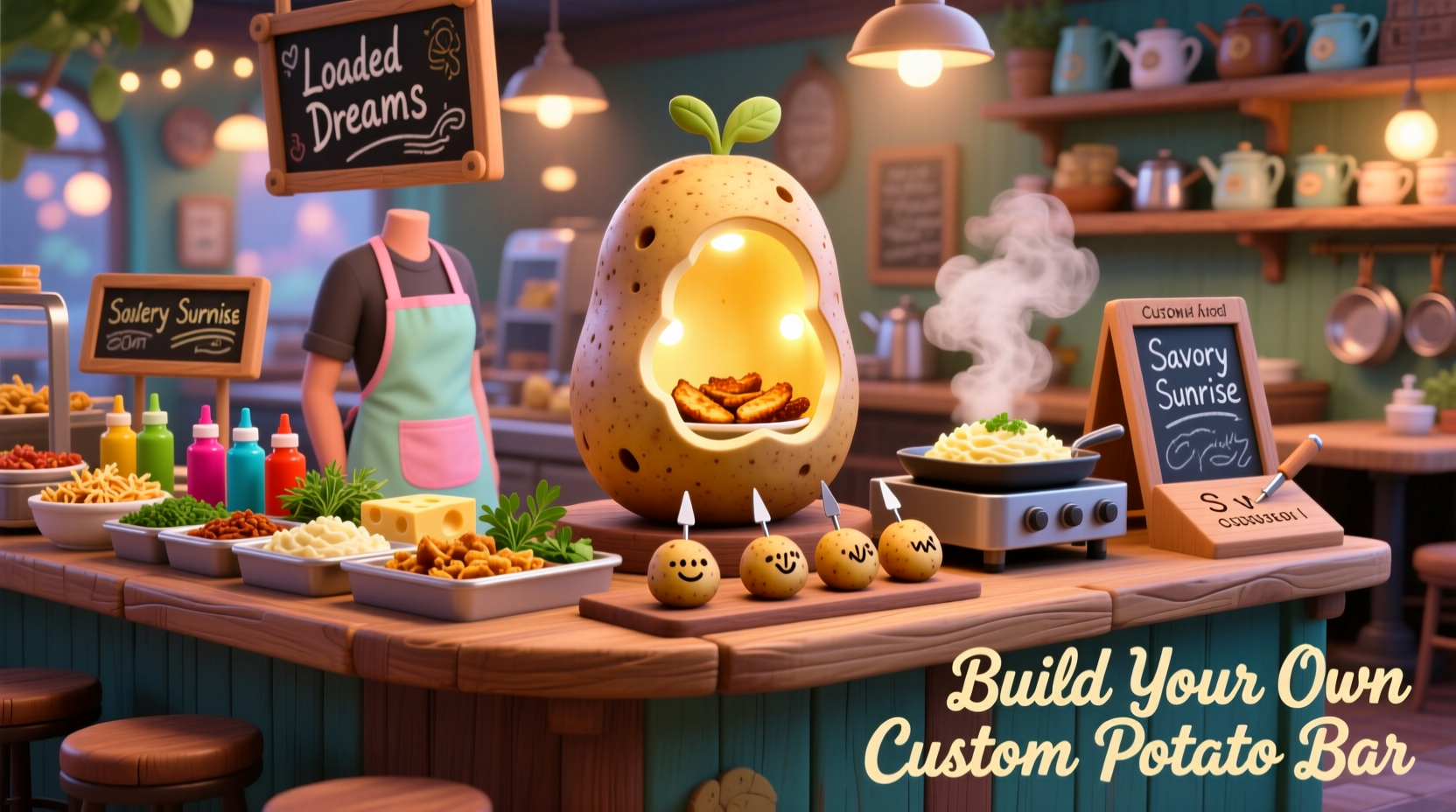
A custom potato bar is a self-serve station featuring cooked potatoes as the base, accompanied by a variety of toppings, sauces, and garnishes. Guests assemble their ideal combination, creating a personalized dish that can range from hearty and savory to light and herbaceous. While often associated with baked potatoes, the format extends to roasted wedges, mashed potato scoops, or even air-fried cubes. Originating in casual American diners and family-style restaurants, the potato bar has evolved into a popular feature at catered events, potlucks, and gourmet home entertaining.
Potatoes themselves belong to the nightshade family and are one of the world’s most consumed staple crops. Native to the Andes region of South America, they were domesticated over 7,000 years ago and introduced to Europe in the 16th century. Today, hundreds of varieties exist, each suited to different preparations. Their neutral flavor, high starch content, and creamy texture when cooked make them ideal canvases for bold accompaniments. In a build-your-own setting, the potato acts as both foundation and foil—absorbing flavors without overpowering them.
Key Characteristics
- Flavor Profile: Mild, earthy, slightly sweet; varies by variety and cooking method.
- Aroma: Subtle when raw; nutty and roasted when baked or grilled.
- Texture: Fluffy interior with crisp exterior (baked), creamy (mashed), or tender-crisp (roasted).
- Color/Form: Ranges from golden yellow to deep russet skin; flesh color includes white, yellow, purple, and red.
- Culinary Function: Acts as a base, thickener, binder, or standalone component.
- Shelf Life: Uncooked: 2–4 weeks in cool, dark storage; cooked: 3–5 days refrigerated.
- Dietary Flexibility: Naturally gluten-free, vegan, and adaptable to low-fat, dairy-free, or plant-forward diets.
Practical Usage: How to Build a High-Impact Potato Bar
The success of a potato bar hinges on balance—offering enough variety to excite without overwhelming logistics. Begin by selecting your potato type and cooking method, then curate toppings that complement rather than compete. Aim for contrast in temperature, texture, fat content, and umami depth.
Selecting the Right Potato
Not all potatoes behave the same under heat. Choose based on desired outcome:
- Russet (Idaho): High starch, fluffy interior—ideal for baking and fluffing. Best for classic loaded potatoes.
- Yukon Gold: Medium starch, buttery flesh—holds shape well when roasted or boiled. Excellent for mashed or halved presentations.
- Red Bliss: Waxy, moist texture—resists breaking during roasting or grilling. Perfect for bite-sized cubes or skins.
- Sweet Potatoes: Naturally sweet, dense flesh—adds color and nutrition. Roast whole or slice into rounds.
- Fingerling: Small, firm, flavorful—great for roasting and serving whole as gourmet bites.
Cooking Methods
Different techniques yield distinct textures and visual appeal:
- Baking: Preheat oven to 400°F (200°C). Scrub russets, pierce skins, and bake directly on racks for 45–60 minutes until tender. Results in dry, fluffy interiors perfect for scooping open and loading.
- Roasting: Toss cubed or halved potatoes with olive oil, salt, and herbs. Roast at 425°F (220°C) for 30–40 minutes, flipping once. Crispy edges enhance mouthfeel.
- Mashing: Boil peeled Yukon Golds until soft. Drain, then mash with warm milk, butter, or non-dairy alternatives. Serve warm in a chafing dish with a spoon for portioning.
- Air-Frying: Ideal for small batches or crispy skins. Cook pre-baked halves at 380°F (190°C) for 10–15 minutes before topping.
- Grilling: Parboil wedges, brush with oil, and grill over medium heat for smoky char. Great for summer events.
Pro Tip: Bake or roast potatoes ahead of time and hold in a warming drawer or insulated container. To prevent drying, cover loosely with foil until service. Re-crisp skins in a hot oven for 5–8 minutes before serving.
Topping Strategy: The Four Zones of Flavor
Organize toppings into functional categories to guide guest choices and ensure balanced combinations:
| Flavor Zone | Examples | Function |
|---|---|---|
| Creamy/Fatty | Sour cream, Greek yogurt, crème fraîche, avocado crema, melted cheese, vegan cashew sauce | Adds richness, cools heat, binds ingredients |
| Savory/Umami | Crispy bacon, sautéed mushrooms, caramelized onions, kimchi, miso-glazed eggplant, smoked salmon | Deepens flavor, adds protein complexity |
| Crisp/Textural | Chives, pickled red onions, toasted breadcrumbs, crushed nuts, fried shallots, radish slices | Provides crunch, freshness, visual pop |
| Herbal/Acidic | Fresh dill, parsley, cilantro, lemon zest, apple cider vinegar, hot sauce, salsa verde | Brightens heavy components, cuts fat |
Offer 3–4 options per zone to maintain manageability. Label each clearly, especially if accommodating allergies or dietary restrictions (e.g., “vegan cheese,” “gluten-free bacon bits”).
Variants & Types of Potato Bars
Customization isn’t limited to toppings—entire themes can redefine the potato bar concept:
1. Classic Loaded Baked Potato Bar
Centered around large russets split open. Features sour cream, cheddar, bacon, chives, and butter. Ideal for steakhouse-style dinners or winter holidays.
2. Global-Inspired Mini Potato Bar
Uses small roasted fingerlings or baby potatoes served on skewers or mini plates. Themed toppings include:
- Mediterranean: Feta, olives, sun-dried tomatoes, tzatziki, oregano
- Mexican: Black beans, corn, pico de gallo, lime crema, cotija, jalapeños
- Asian Fusion: Wasabi mayo, pickled ginger, scallions, sesame seeds, teriyaki-glazed tofu
- Middle Eastern: Hummus, tabbouleh, harissa, pine nuts, parsley salad
3. Mashed Potato DIY Station
Serve warm mashed potatoes in a heated bowl with mini bowls of mix-ins: pesto swirls, truffle oil, blue cheese crumbles, roasted garlic, bacon jam. Include mini cast-iron skillets for guests to bake their own mini gratins (if oven access allows).
4. Sweet Potato Bar
Roasted sweet potato rounds or halves topped with both sweet and savory options: maple pecans, marshmallow fluff (for indulgence), black beans, avocado, chipotle crema, pumpkin seeds. Appeals to health-conscious guests and vegetarians.
5. Gourmet Skins Bar
Bake potatoes, scoop out centers (reserve for future use), then re-crisp hollowed skins. Offer toppings like blue cheese and pear, buffalo chicken and ranch, or lobster and tarragon aioli.
Space-Saving Hack: For smaller gatherings, use muffin tins to bake individual mini potatoes (halved baby Yukons). Fill each cup, roast, and let guests top directly in the tin for easy cleanup.
Comparison with Similar Concepts
The potato bar is often confused with other build-your-own stations. Understanding distinctions ensures proper planning:
| Feature | Potato Bar | Baked Potato Bar (Narrow) | Loaded Nacho Bar | Grain Bowl Bar |
|---|---|---|---|---|
| Base Ingredient | Potatoes (whole, mashed, roasted) | Only baked russets | Tortilla chips | Quinoa, rice, farro |
| Temperature | Primarily hot | Hot | Room temp or warm | Warm or room temp |
| Structural Integrity | High—holds heavy toppings | High—but limited surface area | Low—chips break easily | Moderate—grains absorb moisture |
| Dietary Reach | Broad (naturally GF, adaptable) | Limited by dairy/fat content | Often high sodium, less filling | Higher fiber, plant-protein focus |
| Best For | Hearty meals, cold weather, comfort food | Simple, familiar option | Casual parties, game days | Health-focused or vegetarian events |
“A potato bar succeeds when it respects the ingredient’s simplicity while offering intelligent upgrades. It’s not about piling on—it’s about pairing wisely.” — Chef Elena Ruiz, Culinary Director, Hearth & Platter Events
Practical Tips & FAQs
How many toppings should I offer?
Aim for 10–14 total toppings across all zones. Too few feels sparse; too many causes decision fatigue. For 10 guests, 3 creamy, 4 savory, 3 crisp, and 2 acidic options provide balance.
Can I make it vegetarian or vegan?
Easily. Replace animal products with plant-based alternatives: cashew sour cream, coconut bacon, lentil-walnut “bacon,” nutritional yeast “cheese,” and roasted mushrooms. Label vegan items clearly.
How do I keep potatoes warm?
Use chafing dishes with fuel warmers, slow cookers (for mashed), or insulated carriers. Wrap baked potatoes in foil and towels inside a cooler for transport. Avoid holding above 140°F (60°C) for more than two hours for food safety.
What about gluten-free concerns?
Potatoes are naturally gluten-free. Ensure toppings like soy sauce, malt vinegar, or seasoned breadcrumbs are certified GF. Use separate spoons for each condiment to avoid cross-contact.
Can kids enjoy this setup?
Absolutely. Include milder options like plain butter, shredded cheese, steamed broccoli, and mild salsa. Let children build “rainbow potatoes” using colorful toppings for fun engagement.
How much potato per person?
One medium baked potato (8–10 oz) per adult. For mini versions or multiple sides, reduce to half a potato. Always prepare 20% extra.
Storage and leftovers?
Uncooked potatoes store best in a cool, dark place (not the fridge). Leftover cooked potatoes can be refrigerated for up to five days. Repurpose into hash browns, soups, or shepherd’s pie. Avoid freezing plain mashed potatoes unless mixed with fat (butter, cream) to prevent graininess.
Are sweet and regular potatoes interchangeable?
Not always. Sweet potatoes have higher sugar content and denser texture. They caramelize beautifully but don’t absorb savory flavors as neutrally. Best served in separate bars or labeled distinctly.
Waste Reduction Tip: Save scooped-out centers from baked potatoes. Whip into next-day gnocchi, blend into soup, or fold into frittatas. Nothing goes to waste in a professional kitchen—or a smart home setup.
Summary & Key Takeaways
A custom potato bar is a versatile, scalable, and crowd-pleasing solution for any gathering. Its strength lies in balancing simplicity with sophistication—offering a familiar base elevated by creative, chef-driven touches. Success depends on three pillars: choosing the right potato variety and cooking method, organizing toppings into complementary flavor zones, and designing for accessibility and dietary inclusivity.
Whether executed as a rustic family meal or a themed event centerpiece, the potato bar empowers guests to become co-creators of their dining experience. It reduces last-minute cooking pressure, minimizes plating labor, and maximizes enjoyment. With strategic planning, minimal equipment, and attention to detail, this concept delivers maximum return on effort.
Start simple: bake a dozen russets, offer sour cream, cheese, bacon, chives, and a hot sauce. Then expand—explore global flavors, seasonal produce, and alternative bases. The potato bar is not a trend; it’s a timeless format rooted in hospitality, flavor science, and culinary joy.
Next time you host, skip the static sides. Build a potato bar that reflects your style, engages your guests, and turns a humble tuber into a celebration of taste and choice.




 浙公网安备
33010002000092号
浙公网安备
33010002000092号 浙B2-20120091-4
Comments
No comments yet. Why don't you start the discussion?