
Avocados are a kitchen staple—creamy, nutritious, and endlessly versatile. But their short peak window can lead to waste if not managed properly. When you have more ripe avocados than you can use in a few days, freezing is a smart solution. However, many people hesitate, fearing mushy results or off-flavors. The truth is, yes—you can freeze avocados successfully, but only if you follow the right methods. With careful preparation and proper technique, frozen avocados can retain much of their quality for use in smoothies, dips, and baked goods.
This guide breaks down how to freeze avocados without sacrificing texture, explores best storage practices, and shares expert-backed tips to make your avocado preservation efforts effective and reliable.
The Science Behind Freezing Avocados
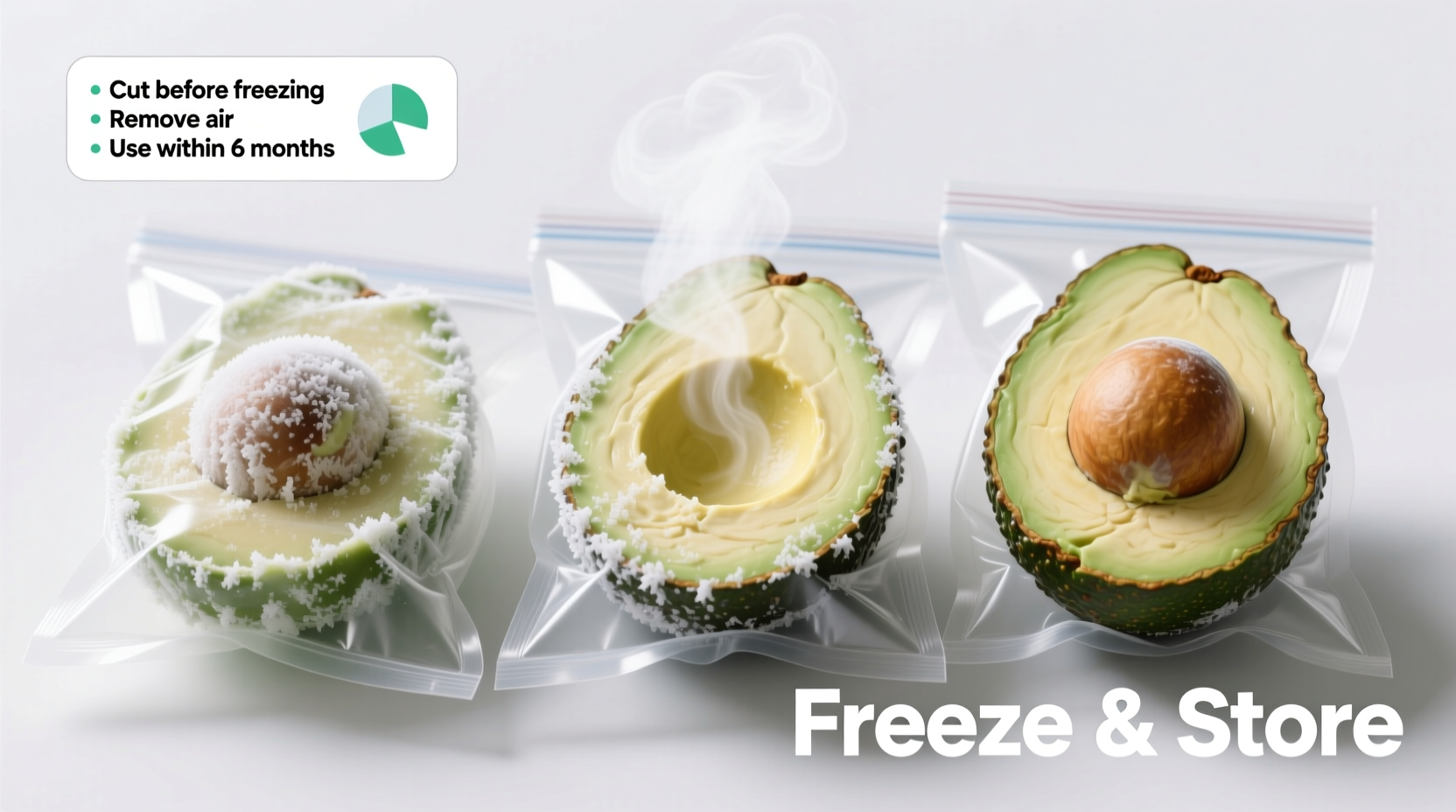
Freezing any fruit alters its cellular structure due to ice crystal formation. Avocados are especially sensitive because of their high fat (oil) content and low acidity. When frozen raw, cell walls rupture, which leads to a softer, sometimes watery texture upon thawing. This makes whole frozen-thawed avocados unsuitable for slicing into salads or toast, but they remain excellent for blending or mashing.
The key to preserving usability lies in minimizing oxidation and controlling moisture loss. Enzymatic browning begins as soon as the flesh is exposed to air, accelerated by polyphenol oxidase enzymes reacting with oxygen. Citric acid or lemon juice inhibits this process, just as it does with apples or bananas.
“Freezing halts microbial growth and enzyme activity when done correctly. The trick is to limit exposure to air and manage moisture before sealing.” — Dr. Lina Patel, Food Preservation Specialist, University of California Cooperative Extension
Best Methods to Freeze Avocados
Not all freezing methods yield the same results. Your intended use determines the best approach. Below are four reliable techniques, ranked by versatility and texture retention.
1. Mashed Avocado with Acid Stabilizer
This method works best for guacamole, spreads, and baking. Pureeing the avocado before freezing ensures even distribution of preservatives and prevents uneven texture post-thaw.
- Cut the avocado in half, remove the pit, and scoop the flesh.
- Place in a bowl and mash with a fork or blend briefly.
- Mix in citrus juice (optional: a pinch of salt or garlic powder for guacamole base).
- Spoon into an airtight container or resealable freezer bag, pressing out excess air.
- Label with date and use within 4–6 months.
2. Whole Avocado Halves (Pitted)
If you want flexibility in usage later, freezing halves preserves shape better than mashed versions. Ideal for stuffing or scooping after thawing.
- Peel and leave the pit in place—it helps reduce surface area exposed to air.
- Brush cut surfaces lightly with lemon juice.
- Wrap each half tightly in plastic wrap, then place in a freezer-safe bag.
- Thaw slowly in the refrigerator overnight before using.
3. Sliced or Diced Avocado (For Blending Only)
Suitable only for smoothies or sauces. Texture will be soft after thawing, so avoid this method if firmness matters.
- Peel, pit, and slice or dice the avocado.
- Toss pieces in citrus juice.
- Lay flat on a parchment-lined tray and flash-freeze for 1–2 hours.
- Transfer to a labeled freezer bag, removing as much air as possible.
- Use directly from frozen in blended recipes.
4. Vacuum-Sealed Avocado Puree
For long-term storage (up to 8 months), vacuum sealing removes nearly all oxygen, drastically reducing oxidation and freezer burn.
| Method | Texture After Thaw | Best Use Case | Max Storage |
|---|---|---|---|
| Mashed + Citrus | Smooth, creamy | Guacamole, dressings | 6 months |
| Whole Halves | Firm edges, soft center | Stuffed avocados, scooping | 5 months |
| Diced + Flash-Frozen | Very soft, slightly grainy | Smoothies, soups | 4 months |
| Vacuum-Sealed Puree | Premium consistency | All blended applications | 8 months |
Avoid These Common Freezing Mistakes
Even small errors can compromise quality. Here’s what not to do when freezing avocados.
- Skipping acid treatment: Without lemon or lime juice, browning occurs rapidly, affecting both color and taste.
- Using thin storage bags: Standard sandwich bags are prone to punctures and air leakage. Opt for heavy-duty freezer bags or vacuum-sealed options.
- Leaving air in containers: Air causes freezer burn and accelerates oxidation. Press out air or fill containers to the brim.
- Freezing overripe fruit: Overly soft avocados break down further during freezing. Choose perfectly ripe—not mushy—avocados.
- Thawing at room temperature: Rapid thawing encourages bacterial growth and texture degradation. Always thaw in the refrigerator.
Storage Timeline and Shelf Life Guide
Understanding how long frozen avocados last helps maintain quality and food safety. While safe indefinitely when kept at 0°F (-18°C), flavor and texture degrade over time.
- Weeks 1–4: Optimal quality. Minimal texture change; ideal for any recipe.
- Months 2–6: Good usability. Slight separation may occur; stir or blend before use.
- After Month 6: Acceptable for cooked or blended dishes, but diminished flavor and increased graininess.
- After 8 months: Risk of rancidity due to fat oxidation. Discard unless urgently needed.
To track freshness, always label containers with contents and date. Rotate stock using the FIFO (First In, First Out) principle.
Real-World Example: Meal Prep Success Story
Sophia, a busy nutrition coach in Portland, uses seasonal avocado harvests to prepare weekly meal components. Every fall, she buys 20 pounds of Hass avocados at farmers' market prices. She peels, pits, and purees them with lime juice and a touch of sea salt. Using a vacuum sealer, she divides the mixture into 1-cup portions.
Throughout winter, she thaws one portion at a time for green smoothies, vegan chocolate mousse, and instant guacamole. “I save at least $120 a year,” she says. “And my clients love that I use real ingredients instead of store-bought bases full of preservatives.”
Her system reduces food waste, cuts prep time, and maintains consistent flavor—all thanks to proper freezing technique.
Defrosting Without Damage
How you thaw frozen avocado impacts final texture. Follow these steps for best results:
- Transfer the desired portion to the refrigerator 8–12 hours before use.
- Keep it sealed during thawing to retain moisture.
- Once thawed, gently stir or re-blend to restore uniformity.
- Use within 24 hours; do not refreeze.
For smoothies or hot soups, you can add frozen avocado directly—no thawing required. The blending process masks minor texture changes, and cold ingredients improve drink consistency.
FAQ: Your Top Questions Answered
Can you freeze avocados and eat them like fresh?
No. Due to structural breakdown from ice crystals, thawed avocados lose firmness and are not suitable for slicing or eating raw as you would a fresh one. They’re best used mashed or blended.
Why did my frozen avocado turn brown?
Browning indicates oxidation, usually caused by insufficient acid application or air exposure. Always treat with lemon or lime juice and use airtight packaging to minimize contact with oxygen.
Is it safe to freeze store-bought guacamole?
Yes, but commercial varieties often contain stabilizers and less oil, which affects texture. Homemade guacamole freezes better when citrus juice and healthy fats (like olive oil) are included. Expect slight separation—just stir well after thawing.
Checklist: How to Freeze Avocados Like a Pro
Follow this step-by-step checklist for successful avocado freezing:
- ☐ Select ripe but firm avocados (not overripe)
- ☐ Wash and dry the exterior before cutting
- ☐ Remove peel and pit carefully
- ☐ Treat flesh immediately with lemon or lime juice
- ☐ Choose form: puree, halves, or diced
- ☐ Use airtight, freezer-safe containers or vacuum sealer
- ☐ Remove excess air to prevent freezer burn
- ☐ Label with date and contents
- ☐ Freeze flat for easy stacking and faster thawing
- ☐ Thaw in refrigerator, never at room temperature
Reviving Thawed Avocados for Better Results
While you can’t fully restore the crisp bite of a fresh avocado, you can improve the performance of thawed ones:
- Add a spoonful of Greek yogurt or sour cream to guacamole for creaminess.
- Blend with fresh herbs like cilantro or chives to boost aroma.
- Incorporate into warm dishes like scrambled eggs or pasta sauce where texture is less noticeable.
- Use in baked goods like brownies or muffins—avocado replaces butter seamlessly.
One chef recommends mixing 75% thawed avocado with 25% fresh when serving guacamole to guests. The blend maintains richness while improving appearance and mouthfeel.
Conclusion: Make the Most of Your Avocados Year-Round
Freezing avocados doesn’t ruin them—it redefines their purpose. By understanding the science of texture change and applying smart storage techniques, you can enjoy the benefits of ripe avocados far beyond their natural season. Whether you're prepping for smoothie mornings, weekend taco nights, or homemade desserts, frozen avocados offer convenience without significant sacrifice in flavor.
The key is matching the method to your needs: puree for versatility, halves for presentation, and flash-frozen cubes for quick blends. Avoid common pitfalls, label everything, and always prioritize airtight, oxygen-limited packaging.




 浙公网安备
33010002000092号
浙公网安备
33010002000092号 浙B2-20120091-4
Comments
No comments yet. Why don't you start the discussion?