
Rabbits are intelligent, clean animals by nature. Contrary to common misconceptions, they are not inherently messy pets. In fact, with the right approach, most rabbits can be successfully trained to use a litter box—often more reliably than cats. The key lies in understanding their instincts, creating the right environment, and applying consistent, positive reinforcement. This guide breaks down exactly how to achieve reliable litter training, backed by animal behavior experts and real-world success stories.
Understanding Rabbit Behavior and Bathroom Habits
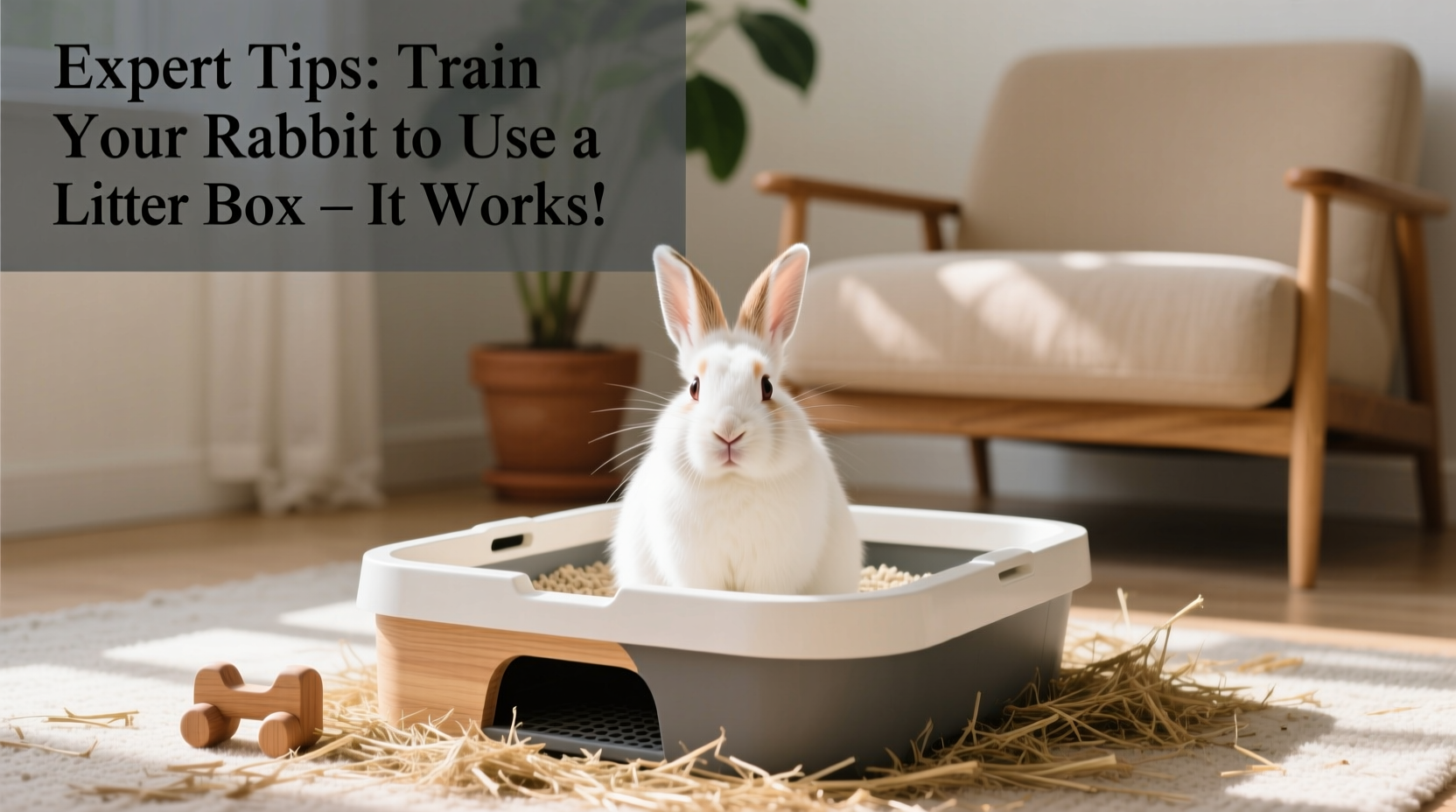
Rabbits are creatures of habit. In the wild, they designate specific areas for urination and defecation to keep their burrows clean and reduce predator detection. This instinct makes them naturally inclined to use a consistent spot for bathroom needs—making litter training not only possible but often intuitive for them.
Unlike dogs or cats, rabbits don’t need to go outside; they typically eliminate multiple times a day, especially after eating or resting. They also practice cecotrophy—consuming special soft fecal pellets at night—which means they often return to the same spot to deposit and re-ingest these nutrient-rich droppings. This reinforces the importance of having a stable, predictable bathroom location.
Spaying or neutering plays a significant role in successful litter training. Unaltered rabbits are more likely to mark territory with urine or scatter droppings, particularly during mating season. According to the House Rabbit Society, spayed or neutered rabbits are up to 85% more likely to maintain consistent litter habits.
“Rabbits are fastidious groomers and prefer clean spaces. When given a safe, consistent place to eliminate, they’ll almost always choose it.” — Dr. Lauren Ford, Exotic Animal Veterinarian
Step-by-Step Guide to Litter Training Your Rabbit
Litter training isn’t about forcing your rabbit to comply—it’s about guiding them to make the natural choice. Follow this timeline for best results:
- Choose the Right Litter Box: Use a low-sided, wide tray so your rabbit can easily hop in and out. A cat litter box with one lowered side works well. For larger breeds, consider a dog training pad-sized box or a custom plastic tray.
- Select Safe Litter Material: Avoid clumping clay, pine, cedar, or dusty litters. Opt for paper-based, aspen shavings, or compressed hay pellets. These are non-toxic if ingested and produce less respiratory irritation.
- Place the Box Where They Naturally Go: Observe where your rabbit tends to eliminate. Most will favor a corner. Position the litter box there—even if it’s on the carpet initially.
- Add Hay to the Box: Place fresh hay (like timothy or orchard grass) directly in or above the litter box. Rabbits like to eat while they eliminate, so this encourages repeated use.
- Transfer Droppings Daily: For the first week, collect your rabbit’s droppings and urine-soaked bedding and place them in the litter box. This signals “this is the spot” through scent.
- Confine Initially: Start in a smaller space (a rabbit-safe room or exercise pen) to limit options. Expand freedom gradually as consistency improves.
- Never Punish Accidents: Yelling or rubbing a rabbit’s nose in waste damages trust and increases stress. Instead, quietly clean accidents and reinforce correct behavior with praise or treats.
- Expand Territory Slowly: Once your rabbit uses the box consistently for 7–10 days, allow access to another room. Add a second litter box temporarily until habits solidify.
Common Challenges and How to Solve Them
Even with proper setup, some rabbits resist training. Here are frequent issues and practical solutions:
- Urinating Outside the Box: Often due to territorial marking. Ensure your rabbit is spayed/neutered. Clean marked areas with enzyme cleaner to remove odor cues.
- Flipping or Kicking Litter: Some rabbits dig or toss litter out. Use heavier boxes, add barriers, or place the box in a corner to minimize scatter.
- Using One Spot for Poop and Another for Pee: This is normal. Add a second box or enlarge the current one to accommodate both behaviors.
- Sudden Regression: Stress, illness, or environmental changes (new pet, move, loud noises) can disrupt habits. Reassess routine and vet health if problem persists.
Mini Case Study: Bella the Rescued Rabbit
Bella, a 2-year-old Dutch rabbit, was adopted from a shelter with no prior litter training. Her new owner, Sarah, followed a structured plan: she confined Bella to a 6x8 ft exercise pen with a large litter box filled with paper-based litter and topped with fresh hay. Within three days, Bella began using the box consistently. By day seven, she was 90% accurate. Over the next month, Sarah gradually opened up her apartment, adding litter boxes in each room. Today, Bella uses any of the four boxes in the home and even hops into them unprompted after meals. The turning point? Placing hay directly in the box—Bella couldn’t resist munching while going to the bathroom.
Do’s and Don’ts of Rabbit Litter Training
| Do’s | Don’ts |
|---|---|
| Use paper-based or aspen-based litter | Use clumping, scented, or wood-based litters (pine/cedar) |
| Spay or neuter your rabbit by 4–6 months old | Delay sterilization past 6 months |
| Place hay in or near the litter box | Leave food bowls far from the box |
| Clean the box 2–3 times per week | Let waste accumulate for more than 48 hours |
| Use enzyme cleaners for accidents | Use ammonia-based or vinegar cleaners (they mimic urine scent) |
| Start training in a small, controlled space | Allow free roam before training is established |
Essential Supplies Checklist
To set up an effective litter system, gather these items before beginning training:
- One or more low-entry litter boxes (at least 2 per room once fully trained)
- Paper-based or aspen pellet litter (avoid clay, corn, or walnut shells)
- Fresh grass hay (timothy, orchard, or oat hay)
- Hay feeder or rack that can attach to the side of the box
- Enzyme-based cleaner for accidents
- Non-slip mat or rug under the box to prevent sliding
- Small barrier or cardboard flap if your rabbit kicks litter out
- Odor-absorbing baking soda (use sparingly and only on the bottom layer)
How Long Does Litter Training Take?
Most rabbits show progress within 3–7 days. Full reliability typically takes 2–4 weeks, depending on age, prior experience, and whether the rabbit has been spayed or neutered.
Young rabbits may take longer due to developing bladder control. Older rabbits, especially those previously litter-trained, often adapt quickly. Rescue rabbits may need extra patience—especially if they’ve lived in cages without choices.
Consistency is critical. Even one week of inconsistent reinforcement can reset progress. Stick to the routine, avoid sudden changes, and reward desired behavior immediately.
“Litter training is less about teaching and more about removing obstacles. Provide the right setup, and your rabbit will do the rest.” — Karen Johnson, Certified Rabbit Behavior Consultant
FAQ: Common Questions About Rabbit Litter Training
Can all rabbits be litter trained?
Almost all rabbits can be litter trained to some degree. While individual personalities vary, over 90% of spayed/neutered rabbits achieve high accuracy with proper training. Medical conditions like arthritis or urinary infections may affect success—consult a vet if accidents persist.
Why does my rabbit eat in the litter box?
This is completely normal and encouraged! Rabbits naturally graze while eliminating. That’s why placing hay in the box is a key training strategy. Just ensure the litter used is safe if accidentally ingested.
How often should I clean the litter box?
Scoop solid waste daily. Do a full change and disinfect every 2–3 days for single rabbits; more often for multi-rabbit homes. A dirty box deters use and promotes odors. Replace wet spots promptly to maintain hygiene.
Advanced Tips for Multi-Room and Multi-Rabbit Homes
Once your rabbit masters a single space, expanding territory requires planning:
- Place boxes in every room: Even if your rabbit rarely goes elsewhere, having a box available prevents accidents.
- Standardize litter type: Use the same litter and box style throughout the home to avoid confusion.
- Monitor social dynamics: In multi-rabbit households, dominant rabbits may block others from boxes. Provide multiple access points and observe interactions.
- Use open-top boxes: Covered boxes can feel confining and trap odors, discouraging use. Open trays are preferred by most rabbits.
For bonded pairs, it’s common for rabbits to share a litter box—sometimes simultaneously. This is a sign of comfort and trust. However, if one rabbit begins avoiding the box due to bullying, separate boxes should be placed at opposite ends of the room.
Conclusion: Yes, It’s Possible—and Worth It
Training a rabbit to use a litter box isn’t just feasible—it’s one of the most rewarding aspects of responsible rabbit ownership. With minimal supplies, a clear understanding of rabbit behavior, and a patient, consistent approach, nearly any rabbit can become reliably litter-trained. The benefits extend beyond cleanliness: a well-trained rabbit earns greater freedom, reduced stress, and deeper trust with their caregiver.
Remember, success doesn’t require perfection. Occasional droppings around the house are normal—rabbits drop pellets as they move. Focus on containing urine and clustered poops, which are the primary goals. Celebrate small wins, stay consistent, and let your rabbit’s natural instincts guide the process.




 浙公网安备
33010002000092号
浙公网安备
33010002000092号 浙B2-20120091-4
Comments
No comments yet. Why don't you start the discussion?