
Pizza is a universal favorite—convenient, delicious, and often delivered in cardboard boxes. But once the last slice is gone, what happens to that greasy, cheese-stained box? Many people toss it into the recycling bin without a second thought, assuming all cardboard is recyclable. The truth is more complicated. Grease, food residue, and moisture can compromise entire batches of recyclables. Understanding how to properly dispose of or repurpose your used pizza boxes isn’t just about following rules—it’s about contributing to a cleaner, more efficient waste system.
With growing awareness around sustainability, knowing whether you can recycle a dirty pizza box—and what alternatives exist—is essential. This guide breaks down the science behind recycling contamination, explores composting as a viable option, and offers practical disposal strategies backed by waste management experts.
The Problem with Grease and Food Residue
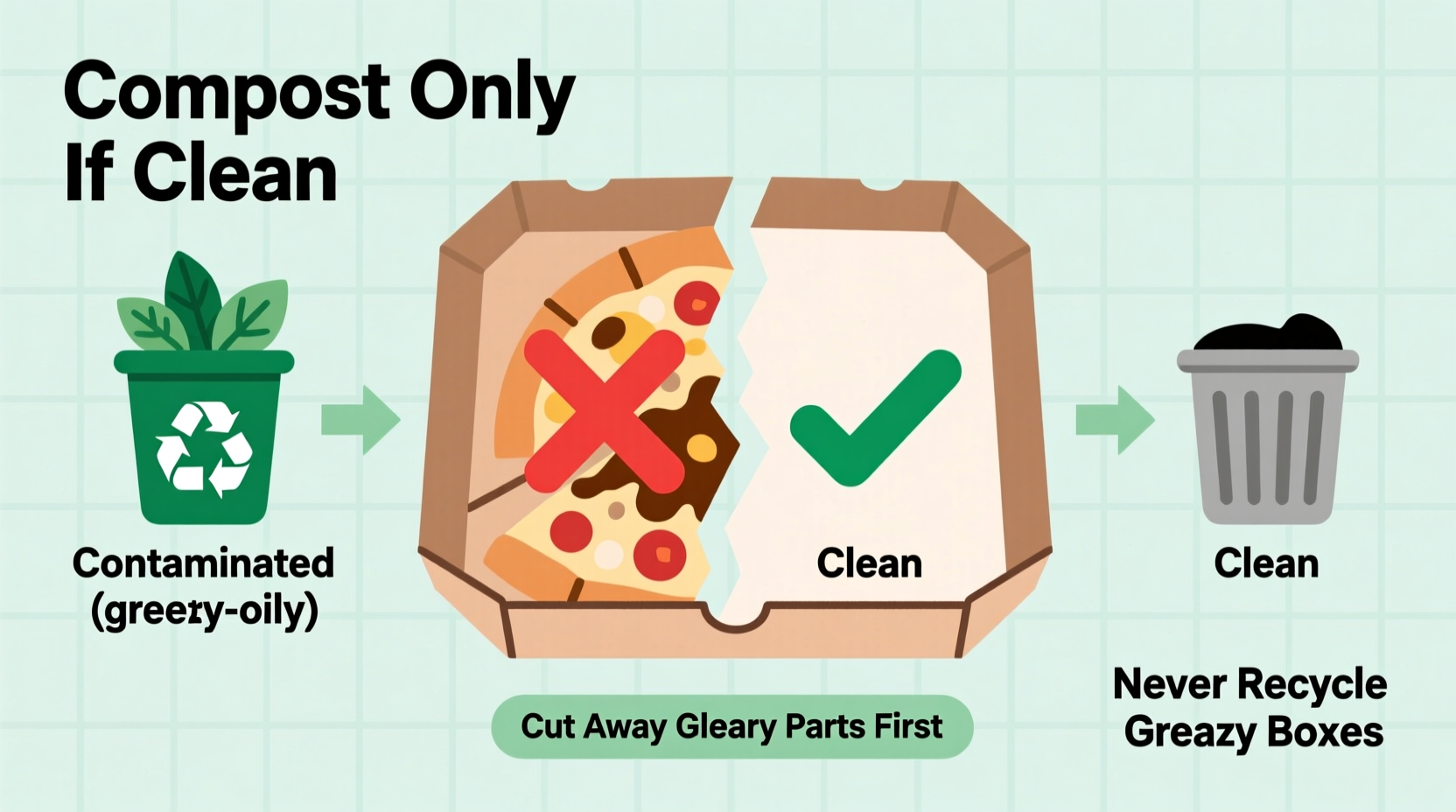
Recycling facilities rely on clean, dry paper fibers to produce new products. When a pizza box is saturated with grease or has food scraps stuck to it, the oil penetrates the cardboard fibers, making them difficult or impossible to separate during the pulping process. Contaminated fibers reduce the quality of recycled paper and can ruin entire batches.
According to the Environmental Protection Agency (EPA), even small amounts of food waste or oil can render recyclable materials unusable. In fact, contamination rates above 10–15% can cause some facilities to reject entire loads from municipalities.
“Oil and water don’t mix—and neither do grease and paper recycling. Once oil soaks into cardboard, it compromises the integrity of the fiber.” — Sarah Thompson, Materials Recovery Specialist, GreenCycle Solutions
This doesn’t mean all hope is lost for your leftover box. The key lies in assessing the level of contamination and taking appropriate action based on local guidelines.
When Can You Recycle a Pizza Box?
Not all pizza boxes are created equal when it comes to recyclability. If only the top portion of the box is lightly stained and free of food debris, it may still be recyclable. However, if the bottom of the box—the part that held the hot pizza—is soaked through with grease or has cheese crusts stuck to it, that section should not go in the recycling bin.
Here’s how to evaluate:
- Clean and dry flaps: If the lid and side flaps have no visible grease or food, they can usually be recycled.
- Greasy bottom panel: This is typically too contaminated and should be removed.
- Leftover crumbs or toppings: Any remaining food must be scraped off before considering recycling.
Regional Recycling Guidelines Vary
Recycling rules differ by city and processor. Some advanced facilities can handle slightly soiled cardboard, while others enforce strict cleanliness standards. For example:
- In San Francisco, residents are encouraged to compost all used pizza boxes due to the city’s robust organic waste program.
- In Phoenix, only completely clean boxes are accepted in curbside recycling.
- New York City allows pizza boxes in recycling bins regardless of grease, relying on its processing plants to sort out contaminants.
To avoid guesswork, check your local municipality’s website or use tools like Earth911’s Recycling Search to find specific guidance for your ZIP code.
Composting: A Sustainable Alternative
For heavily soiled pizza boxes, composting is often the best environmental choice. Cardboard is a carbon-rich “brown” material, which balances nitrogen-heavy “greens” like food scraps in a compost pile. As long as the box is made of plain corrugated cardboard (not wax-coated or plastic-lined), it will break down naturally over time.
Commercial composting facilities are especially effective at processing used pizza boxes because they maintain high temperatures that accelerate decomposition and kill pathogens. Many urban areas now offer curbside compost collection, accepting both food waste and soiled paper products.
How to Compost a Pizza Box at Home
If you maintain a backyard compost system, follow these steps:
- Remove any non-compostable items: plastic utensils, stickers, metal staples (if excessive).
- Tear the box into smaller pieces—this increases surface area and speeds up breakdown.
- Bury greasy sections deep within the pile to prevent attracting pests.
- Balanace with green materials like vegetable peels, coffee grounds, or grass clippings.
- Mix regularly to aerate and maintain optimal conditions.
Note: Avoid composting boxes with heavy ink printing or plastic windows unless you're certain they’re biodegradable.
Disposal Options Compared
Different situations call for different solutions. The table below compares common disposal methods based on environmental impact, accessibility, and ease of use.
| Method | Best For | Environmental Impact | Accessibility |
|---|---|---|---|
| Recycling (clean portions) | Boxes with minimal grease/stains | High – conserves raw materials | Widespread in most U.S. cities |
| Composting (soiled portions) | Greasy or food-covered boxes | Very High – returns nutrients to soil | Limited in rural areas; expanding in cities |
| Landfill disposal | No access to recycling/compost | Low – contributes to methane emissions | Universal but least sustainable |
| Reusing (e.g., storage, crafts) | Intact, lightly used boxes | Very High – delays waste entirely | Depends on personal creativity |
While landfilling remains the default in many regions, shifting toward composting—even through drop-off programs—can significantly reduce environmental harm.
Real-World Example: Seattle’s Zero-Waste Initiative
Seattle has been a leader in urban sustainability, mandating composting since 2015. When local pizzerias noticed customers were confused about box disposal, the city partnered with businesses to launch an educational campaign.
One popular chain, Slice & Co., began placing labels on their boxes: “Lid to Bin, Base to Compost.” They also provided tear lines between the top and bottom panels to make separation easier. Within six months, post-consumer waste audits showed a 38% reduction in contaminated recycling loads from residential areas.
This case demonstrates that clear communication, combined with accessible infrastructure, empowers consumers to make better choices—even with something as routine as tossing a pizza box.
Action Plan: What to Do With Your Next Pizza Box
Follow this step-by-step approach every time you finish a pizza:
- Empty and inspect: Remove any leftover food, napkins, or packaging.
- Separate components: Tear off the lid and clean flaps from the greasy base.
- Recycle clean sections: Place uncontaminated cardboard in your recycling bin.
- Compost the rest: Add the oily bottom to your home compost or set it out for municipal collection.
- Trash as last resort: If composting isn’t available, dispose of soiled parts in the garbage.
- Consider reusing: Use intact boxes for storage, moving, or kids’ art projects before discarding.
Checklist: Responsible Pizza Box Disposal
Use this quick reference after your next pizza night:
- ☐ Scrape off food scraps
- ☐ Separate clean top from greasy bottom
- ☐ Recycle clean cardboard pieces
- ☐ Compost soiled sections (yard or curbside)
- ☐ Reuse box if possible (e.g., for organizing)
- ☐ Confirm local rules if unsure
Frequently Asked Questions
Can I put a pizza box with cheese stuck to it in the compost?
Yes, small amounts of cheese or crust residue are generally acceptable in commercial compost systems. Backyard composters should bury such items deeply to avoid attracting rodents and ensure proper decomposition. Avoid adding large quantities of dairy, as it can create odors and slow breakdown.
What if my city doesn’t offer compost pickup?
If curbside composting isn’t available, look for community drop-off sites—often located at farmers markets, gardens, or recycling centers. Some startups like CompostNow or ShareWaste connect households with local composters. Alternatively, consider starting a small backyard bin for paper and food scraps.
Are frozen pizza boxes treated differently?
Frozen pizza boxes are typically coated with a thin plastic layer to prevent freezer burn, making them unsuitable for both recycling and composting. These should always go in the trash unless specified otherwise by the manufacturer. Always check for resin codes or \"compostable\" certifications.
Conclusion: Small Actions, Big Impact
Properly managing a single pizza box might seem trivial, but multiplied across millions of households, the collective effect is enormous. By learning to separate, recycle, and compost wisely, you help reduce contamination in recycling streams, lower landfill burdens, and support circular economies.
Sustainability starts with simple decisions—like tearing a box in half before disposal. Whether you're a casual pizza eater or a weekly delivery regular, applying these practices ensures your habit doesn’t come at the planet’s expense.




 浙公网安备
33010002000092号
浙公网安备
33010002000092号 浙B2-20120091-4
Comments
No comments yet. Why don't you start the discussion?