
Air dry clay has become a favorite among crafters for its accessibility, ease of use, and versatility. One of the most popular seasonal projects is creating personalized Christmas tree ornaments. The answer is a definitive yes—air dry clay is not only suitable but ideal for crafting unique, handmade holiday decorations. Whether you're making keepsakes for your own tree or thoughtful gifts for loved ones, this medium offers creative freedom without requiring an oven or kiln. With proper techniques, sealing, and design planning, air dry clay ornaments can be both beautiful and long-lasting.
Why Air Dry Clay Works for Christmas Ornaments
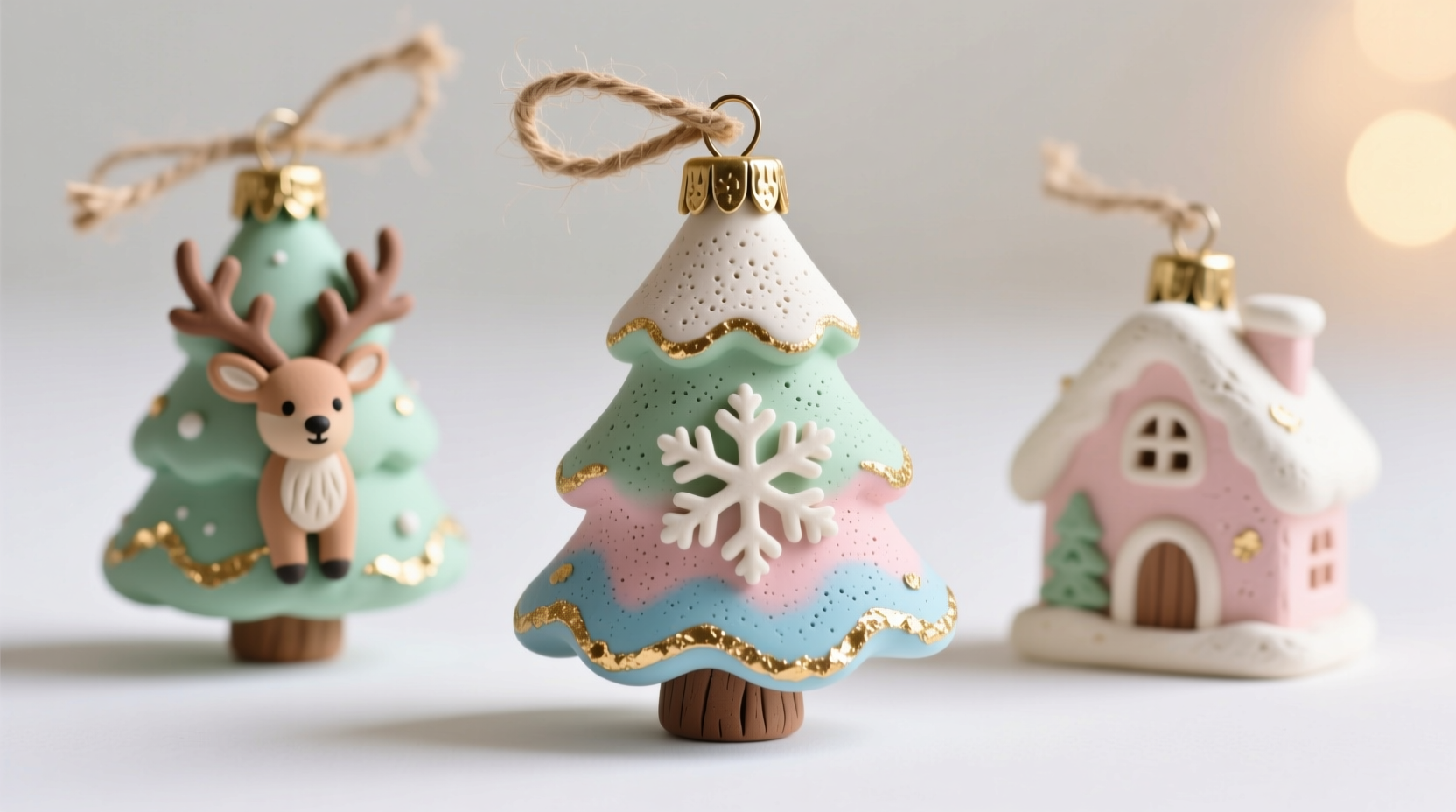
Air dry clay hardens at room temperature, eliminating the need for specialized equipment like pottery wheels or kilns. This makes it perfect for home crafters, especially during the busy holiday season. It’s lightweight, which is crucial when hanging items on a tree, and it holds fine details well—ideal for imprints, textures, and hand-sculpted elements.
The material adheres easily to embellishments such as ribbons, beads, and metallic paints, allowing for endless customization. You can roll it out and cut shapes using cookie cutters, sculpt 3D forms like snowmen or reindeer, or even press natural elements like pine sprigs into the surface for organic patterns.
Unlike polymer clay, air dry clay doesn’t require baking, reducing fire risk and energy use. However, it does require proper sealing to withstand handling and environmental changes, especially if stored or displayed in humid areas.
“Handmade ornaments carry emotional value that store-bought ones often lack. Air dry clay allows families to create traditions through craft.” — Laura Bennett, Craft Educator and Author of *Seasonal Handmade*
Materials and Tools You’ll Need
Before starting your project, gather the following supplies to ensure a smooth crafting experience:
- Air dry clay – Choose a brand known for strength and minimal cracking (e.g., DAS, Jovi, or Crayola).
- Rolling pin or acrylic roller – For achieving even thickness.
- Cookie cutters or craft knife – To shape ornaments into stars, trees, hearts, or custom designs.
- Straw or toothpick – For creating hanging holes before the clay dries.
- Sandpaper (fine grit) – To smooth rough edges after drying.
- Acrylic paints and brushes – Water-based and ideal for porous surfaces.
- Sealer – Mod Podge, clear acrylic spray, or varnish to protect the finished piece.
- Ribbon, twine, or yarn – For hanging.
- Optional: Stamps, lace, stencils, glitter, or pressed botanicals – For added texture and decoration.
Step-by-Step Guide to Making Air Dry Clay Ornaments
Follow this detailed process to create professional-looking, durable ornaments that will last for years.
- Prepare your workspace. Cover your table with parchment paper or wax paper. Have all tools within reach.
- Knead the clay. Work the clay in your hands for 2–3 minutes to soften it and remove air bubbles that could cause cracks.
- Roll out the clay. Use a rolling pin to achieve a uniform thickness of about 1/4 inch. Too thin, and the ornament may break; too thick, and it may take days to dry completely.
- Cut your shapes. Press cookie cutters firmly into the clay and lift carefully. Alternatively, draw outlines with a pencil and cut with a craft knife.
- Poke a hanging hole. Immediately after cutting, use a straw or toothpick to make a small hole near the top edge. This ensures the hole stays open as the clay dries.
- Add texture or personalization. Press stamps, alphabet beads, lace, or fingerprints into the surface. You can also write names or dates with a skewer.
- Let the clay dry. Place pieces on a flat, non-porous surface. Allow 24–72 hours to dry completely, flipping halfway through to ensure even drying. Avoid direct sunlight or heat sources, which can warp or crack the clay.
- Sand lightly. Once fully dry, use fine-grit sandpaper to smooth any rough spots or sharp edges.
- Paint and decorate. Use acrylic paints to add color. Let each layer dry before applying another. Add glitter with glue, or use metallic pens for fine details.
- Seal the ornament. Apply 2–3 layers of clear sealer, allowing drying time between coats. Spray sealers offer a smoother finish, while brush-on sealers like Mod Podge are easier for beginners.
- Add ribbon or string. Thread ribbon, twine, or velvet cord through the hole for hanging.
Do’s and Don’ts When Crafting with Air Dry Clay
| Do’s | Don’ts |
|---|---|
| Do work in a cool, dry area to control drying speed. | Don’t expose wet clay to direct heat or sunlight. |
| Do rotate pieces during drying to prevent warping. | Don’t submerge finished ornaments in water. |
| Do seal both sides and edges for full protection. | Don’t skip sanding—smooth edges look more polished. |
| Do store unused clay in an airtight container. | Don’t mix different brands unless tested—they may have varying drying times. |
| Do label ornaments with the year for sentimental tracking. | Don’t hang near heaters or vents where temperature fluctuates. |
Real Example: A Family Tradition Born from Clay
Sarah Thompson, a mother of two from Vermont, began making air dry clay ornaments with her children in 2019. What started as a one-time activity turned into an annual tradition. Each December, the family gathers to create new ornaments capturing milestones—a tiny handprint for the baby’s first Christmas, a miniature soccer ball for her son’s debut season, and a “2023” date stamp for their move to a new house.
“The ornaments aren’t perfect,” Sarah says. “Some are lopsided, some cracked, but they tell our story. We display them front and center every year. The kids look forward to seeing where they were in past years.”
She now stores extra clay in vacuum-sealed bags and uses food-safe glaze for a subtle shine. Her tip? “Write the child’s age and year on the back with a permanent marker before sealing. It becomes priceless over time.”
Tips for Durability and Long-Term Display
Because air dry clay is inherently more fragile than ceramic or wood, longevity depends on careful handling and protection. Consider these strategies to preserve your ornaments beyond the season:
- Use a flexible sealer like decoupage medium, which moves slightly with the clay and reduces cracking.
- Store ornaments individually in tissue paper or small boxes to prevent chipping.
- Avoid placing heavy items on top when storing.
- Keep away from high-humidity areas like basements or bathrooms.
- For outdoor use (e.g., covered porch trees), choose weather-resistant sealers and avoid prolonged exposure.
Frequently Asked Questions
Can air dry clay ornaments get wet?
No, air dry clay is water-soluble when raw and remains porous when dry. Even sealed ornaments should not be exposed to moisture. If they do get damp, wipe gently and let air dry immediately. Never wash in water or place outside in rain.
How long do air dry clay ornaments last?
With proper sealing and storage, they can last 5–10 years or more. Many handmade ornaments from the 1990s are still intact if protected from impact and humidity. Labeling and gentle handling significantly extend their lifespan.
Can I paint air dry clay before it dries?
No—painting before drying causes uneven curing and can trap moisture, leading to mold or cracks. Always wait until the clay is completely hard and no longer cool to the touch.
Checklist: Creating Your First Set of Ornaments
Use this quick-reference checklist to stay organized and efficient:
- ☐ Gather all materials: clay, tools, paints, sealer, ribbon
- ☐ Prepare a clean, non-stick workspace
- ☐ Knead and roll clay to 1/4-inch thickness
- ☐ Cut shapes and pierce hanging holes
- ☐ Add textures, names, or imprints
- ☐ Let dry flat for 24–72 hours, flipping once
- ☐ Lightly sand dried pieces
- ☐ Paint with acrylics, allowing drying time between layers
- ☐ Apply 2–3 coats of sealer, drying between each
- ☐ Attach ribbon or cord
- ☐ Label with year and store properly after the holidays
Making Meaningful Keepsakes Year After Year
Beyond aesthetics, air dry clay ornaments offer a way to mark time, celebrate growth, and share love. They’re accessible to children and adults alike, making them ideal for intergenerational crafting. Grandparents can help grandchildren imprint handprints; couples can make matching heart-shaped ornaments for their first Christmas together.
The low cost and minimal setup mean anyone can participate. Schools, community centers, and senior homes often run holiday workshops using this very method. The tactile nature of clay also provides sensory benefits, helping reduce stress and improve focus during a hectic season.
Over time, a collection of handmade ornaments becomes a visual timeline of life’s moments—tiny sculptures of memory suspended on evergreen branches.
“The best ornaments aren’t the shiniest—they’re the ones that make you pause and smile. Air dry clay captures imperfection beautifully, and that’s what makes it perfect.” — Miguel Reyes, Art Therapist and Community Workshop Leader
Conclusion
Air dry clay is not just a viable option for Christmas ornaments—it’s a powerful medium for storytelling, connection, and creativity. With simple tools and mindful technique, you can produce decorations that are as durable as they are meaningful. From initial shaping to final sealing, each step allows for personal expression. Whether you're crafting alone or with loved ones, the process fosters presence and joy.




 浙公网安备
33010002000092号
浙公网安备
33010002000092号 浙B2-20120091-4
Comments
No comments yet. Why don't you start the discussion?