
Dental hygiene is a crucial part of pet care, yet many dog owners unknowingly put their pets at risk by using products designed for humans. One common mistake? Using human toothpaste to brush a dog’s teeth. While it might seem like a harmless shortcut, the reality is far more serious. Human toothpaste contains ingredients that are toxic to dogs, and even small amounts can lead to significant health problems. Understanding the risks and learning how to properly care for your dog’s oral health can prevent unnecessary emergencies and support long-term wellness.
Why Human Toothpaste Is Dangerous for Dogs
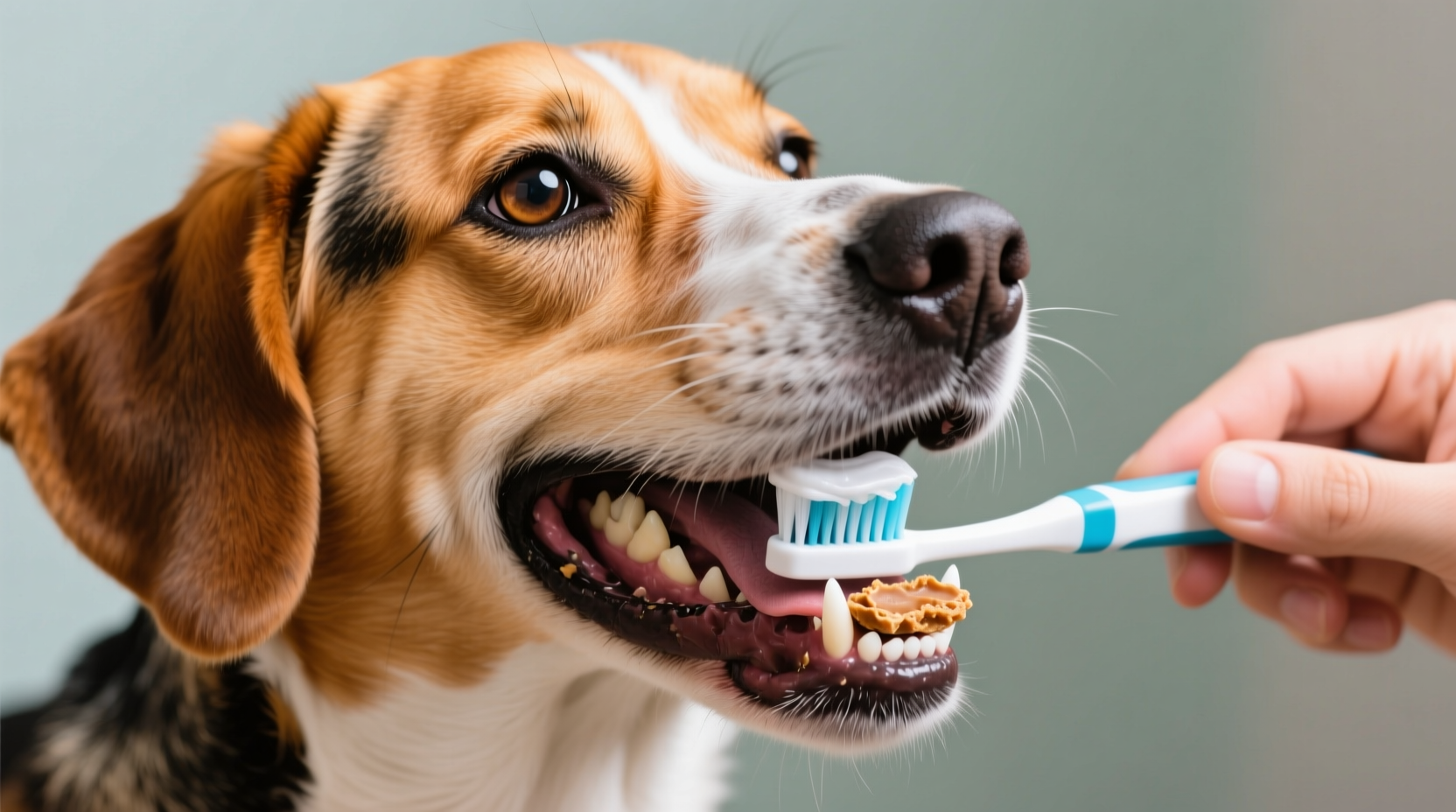
The primary reason human toothpaste poses a threat to dogs lies in its chemical composition. Unlike humans, dogs do not spit out toothpaste after brushing, meaning they swallow whatever residue remains in their mouth. This makes the ingestion of certain ingredients particularly hazardous.
One of the most dangerous components in human toothpaste is xylitol, an artificial sweetener commonly used in sugar-free products. Xylitol triggers a rapid release of insulin in dogs, leading to a sudden and dangerous drop in blood sugar levels—known as hypoglycemia. Symptoms can appear within 10 to 60 minutes and include vomiting, weakness, loss of coordination, seizures, and, in severe cases, liver failure or death.
Even if a toothpaste doesn’t contain xylitol, other ingredients still pose risks. Fluoride, while beneficial for human teeth, can be toxic to dogs when ingested in large amounts. Excessive fluoride intake may cause gastrointestinal distress, drooling, tremors, and in extreme cases, cardiac issues. Additionally, detergents like sodium lauryl sulfate (SLS), added for foaming action, can irritate a dog’s digestive tract and contribute to nausea or diarrhea.
“Xylitol is one of the most acutely toxic substances commonly found in household products. A single stick of gum or a small amount of toothpaste can be fatal for a small dog.” — Dr. Karen Becker, Integrative Veterinarian
Safe Alternatives: What to Use Instead
Fortunately, safe and effective alternatives exist specifically for canine dental care. The best option is toothpaste formulated for dogs. These products are non-toxic, enzymatic, and designed to be swallowed safely. They often come in flavors dogs enjoy, such as poultry, peanut butter, or beef, making brushing a more pleasant experience.
Dog-specific toothpastes work differently than human versions. Instead of relying on abrasives or foaming agents, they use enzymes that break down plaque and inhibit bacterial growth. This means they don’t need to be rinsed and are safe for daily use.
If you’re unable to find dog toothpaste immediately, consider these temporary but safer options:
- Coconut oil – Has natural antibacterial properties and is generally safe in small amounts.
- Baking soda diluted in water – Can help neutralize odors, though it should be used sparingly due to its high alkalinity.
- Plain water with a soft brush – Better than nothing, especially for dogs new to brushing.
However, none of these substitutes match the effectiveness of veterinary-approved dental products. For optimal results, transition to a proper dog toothpaste as soon as possible.
Step-by-Step Guide to Brushing Your Dog’s Teeth Safely
Introducing dental care early improves long-term compliance. Even older dogs can adapt with patience and consistency. Follow this timeline to establish a healthy routine:
- Day 1–3: Get your dog comfortable with touch. Gently rub your finger along their gums and teeth during calm moments. Offer praise and treats afterward.
- Day 4–6: Introduce the toothbrush or finger brush. Let your dog sniff and lick the brush. Apply a small dab of dog toothpaste for them to taste.
- Day 7–10: Begin short brushing sessions. Focus on the outer surfaces of the back teeth—the area most prone to plaque buildup. Aim for 5–10 seconds per side.
- Week 3+: Increase duration and frequency. Work up to 30 seconds per side, ideally brushing every day. Most dogs adapt within a few weeks.
Consistency matters more than perfection. Even brushing two to three times a week significantly reduces tartar accumulation compared to no brushing at all.
Do’s and Don’ts of Canine Dental Care
| Do’s | Don’ts |
|---|---|
| Use toothpaste made specifically for dogs | Use human toothpaste, even in small amounts |
| Brush at least 2–3 times per week | Assume dry food eliminates the need for brushing |
| Inspect teeth monthly for redness, swelling, or discoloration | Ignore bad breath—it’s not normal and signals dental disease |
| Schedule annual vet dental exams | Delay professional cleaning if gum disease is suspected |
| Use soft-bristled brushes or finger applicators | Scrub aggressively—gentle motions are more effective |
Real-Life Example: A Close Call with Minty Fresh Toothpaste
Sarah, a dog owner from Portland, noticed her 12-pound Shih Tzu, Milo, had increasingly bad breath. Wanting to act quickly, she used her own “natural” mint-flavored toothpaste to brush his teeth one evening. Within 45 minutes, Milo began drooling excessively, refused to eat, and became lethargic. She rushed him to an emergency clinic, where blood tests revealed dangerously low blood sugar. The diagnosis: xylitol poisoning.
Milo required IV dextrose therapy and 24-hour monitoring to stabilize. Fortunately, he recovered fully, but the incident cost over $1,200 in treatment fees. Sarah now keeps a tube of poultry-flavored dog toothpaste in every bathroom and has become an advocate for pet dental safety in her local dog walking group.
This case highlights how easily well-meaning actions can go wrong—and how critical it is to use only pet-safe products.
Frequently Asked Questions
What should I do if my dog eats human toothpaste?
Act immediately. Check the ingredients, especially for xylitol or high fluoride content. Contact your veterinarian or the ASPCA Animal Poison Control Center (888-426-4435) right away. Do not induce vomiting unless instructed. Time is critical—early intervention can prevent life-threatening complications.
How can I tell if my dog has dental disease?
Common signs include persistent bad breath, yellow or brown tartar buildup, red or bleeding gums, difficulty chewing, pawing at the mouth, and reluctance to eat hard food. In advanced cases, tooth loss or facial swelling may occur. Regular oral inspections help catch issues early.
Are dental chews and toys enough without brushing?
Dental chews and toys can help reduce plaque, but they are not a substitute for brushing. These products typically clean only the surface of a few teeth and cannot reach below the gumline, where periodontal disease begins. For comprehensive care, combine mechanical brushing with vet-approved dental treats and regular checkups.
Expert Recommendations and Preventive Strategies
Veterinary dentists emphasize that prevention is far more effective—and less costly—than treatment. According to the American Veterinary Dental College, over 80% of dogs show signs of periodontal disease by age three. Left untreated, this condition can lead to tooth loss, chronic pain, and systemic infections affecting the heart, kidneys, and liver.
Dr. Jan Bellows, a board-certified veterinary dentist, advises: “Daily brushing is the gold standard. Nothing else comes close in preventing plaque accumulation. Start young, make it routine, and use the right tools.”
In addition to brushing, consider these preventive measures:
- Dental diets – Prescription foods like Hill’s Science Diet t/d or Royal Canin Dental are engineered to scrub teeth as dogs chew.
- Water additives – Some vet-recommended solutions reduce bacteria in drinking water, though they don’t replace brushing.
- Professional cleanings – Performed under anesthesia, these allow thorough scaling and polishing, including beneath the gumline.
“Oral health is whole-body health. Treating the mouth isn’t cosmetic—it’s essential medicine.” — Dr. Jan Bellows, DAVDC
Conclusion: Protect Your Dog’s Health Starting Today
Using human toothpaste on dogs is not just ill-advised—it’s potentially life-threatening. The convenience of grabbing a familiar product from your bathroom cabinet is vastly outweighed by the risks of poisoning and long-term health consequences. By choosing dog-safe toothpaste and establishing a consistent brushing routine, you take a powerful step toward protecting your pet’s overall well-being.
Your dog depends on you to make informed choices. Start today: pick up a tube of enzymatic dog toothpaste, introduce it gradually, and commit to a schedule that works for both of you. Small efforts now can prevent painful conditions and expensive vet visits later. Your dog’s bright smile and vibrant health are worth the investment.




 浙公网安备
33010002000092号
浙公网安备
33010002000092号 浙B2-20120091-4
Comments
No comments yet. Why don't you start the discussion?