
Retinol and hyaluronic acid are two of the most celebrated ingredients in modern skincare. One is a powerful cell-communicating agent that accelerates renewal and fights signs of aging. The other is a hydration powerhouse capable of holding up to 1000 times its weight in water. When used correctly, they complement each other beautifully. Yet many people hesitate—can these two powerhouses coexist without causing dryness, irritation, or diminished results? The answer is yes—but only if applied strategically.
The combination of retinol and hyaluronic acid is not only safe but often recommended by dermatologists for balanced anti-aging routines. Retinol can be drying and sensitizing, especially during initial use, while hyaluronic acid helps counteract moisture loss and supports the skin barrier. Understanding how to layer them—and when—is key to reaping their full benefits without compromising skin health.
How Retinol and Hyaluronic Acid Work on Skin
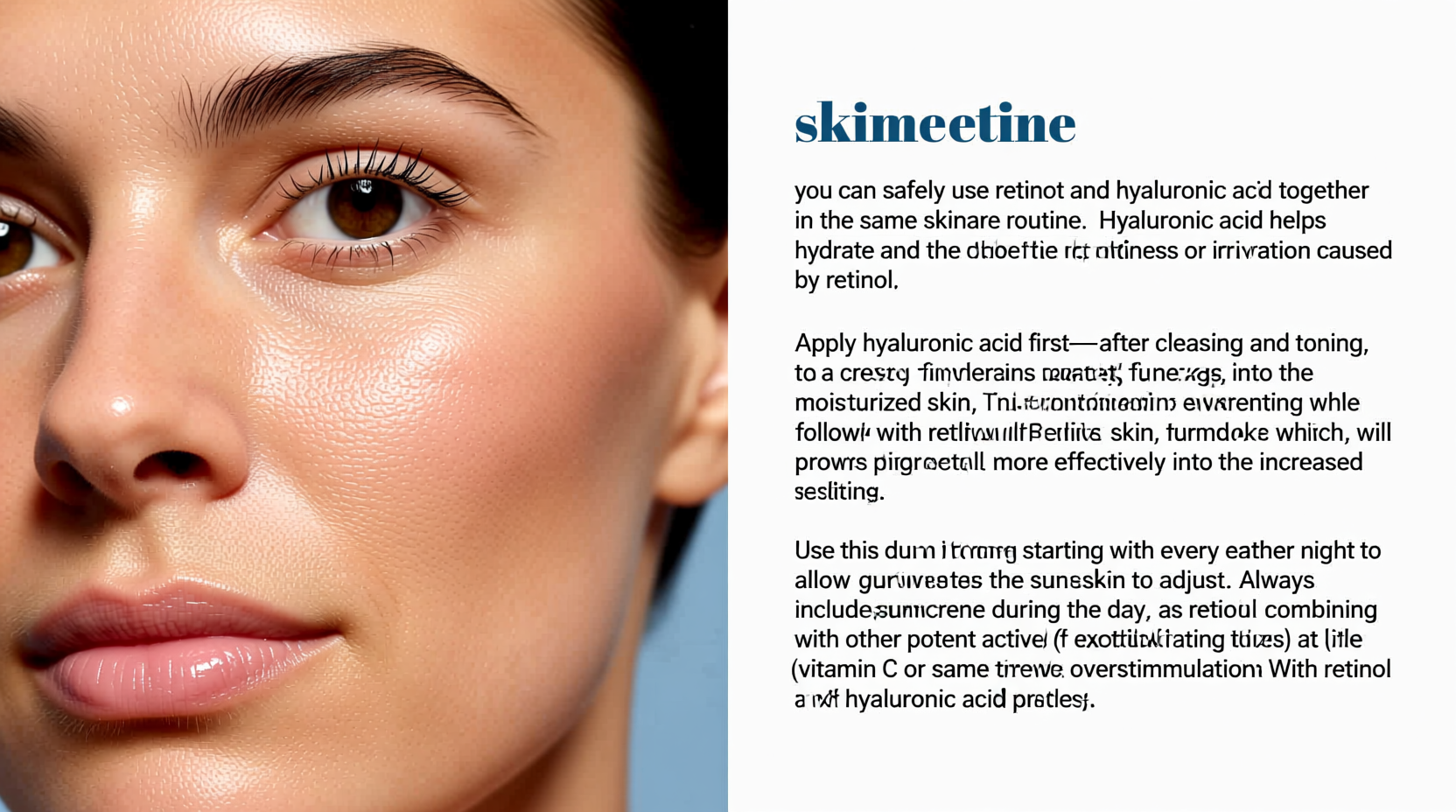
Before combining any actives, it's essential to understand what each ingredient does at the cellular level.
Retinol, a derivative of vitamin A, works deep within the dermis. It binds to retinoic acid receptors in skin cells, prompting them to behave more like youthful, healthy cells. This process increases cell turnover, stimulates collagen production, reduces hyperpigmentation, and clears clogged pores. However, this increased activity can temporarily compromise the skin barrier, leading to flaking, redness, and tightness—especially in those with sensitive or dry skin.
Hyaluronic acid (HA), on the other hand, is a humectant naturally found in the body. Its primary role is to attract and retain moisture from the environment and deeper layers of the skin, delivering hydration to the epidermis. Unlike occlusives, which seal in moisture, HA draws water into the skin, plumping fine lines and improving elasticity. Because it operates on the surface and upper dermal layers, it doesn’t interfere with retinol’s deeper mechanisms.
“Retinol needs support, not isolation. Pairing it with hydrators like hyaluronic acid makes the regimen more tolerable and sustainable.” — Dr. Lena Torres, Board-Certified Dermatologist
Why Combining Them Makes Scientific Sense
At first glance, pairing a potent exfoliant like retinol with a hydrator may seem contradictory. But in practice, they serve complementary roles. Retinol creates change; hyaluronic acid provides comfort.
Studies show that transepidermal water loss (TEWL) increases during the first few weeks of retinoid use. This dehydration weakens the stratum corneum, making skin more vulnerable to environmental stressors and irritants. By introducing hyaluronic acid into the routine, users can maintain hydration levels, reduce discomfort, and improve adherence to treatment.
A 2020 clinical review published in the Journal of Clinical and Aesthetic Dermatology noted that combining retinoids with moisturizing agents significantly improved patient tolerance and reduced dropout rates in long-term regimens. Hyaluronic acid, due to its non-comedogenic nature and compatibility across skin types, emerged as an ideal partner.
Moreover, hydrated skin responds better to active ingredients. Plump, well-moisturized cells allow for smoother application of serums and creams, minimizing friction and micro-tears that could worsen sensitivity.
Step-by-Step Guide: How to Layer Retinol and Hyaluronic Acid
The order and timing of application determine whether this duo enhances or undermines your results. Follow this timeline for optimal performance:
- Cleanse gently. Use a mild, pH-balanced cleanser to remove impurities without stripping natural oils. Pat skin dry, leaving it slightly damp.
- Apply hyaluronic acid serum. Dispense 2–3 drops onto damp skin. Press—not rub—to help absorption. Allow 30–60 seconds to absorb before proceeding.
- Follow with a lightweight moisturizer (optional). For sensitive skin, apply a thin layer of a simple, fragrance-free moisturizer before retinol to buffer potential irritation.
- Apply retinol. Use pea-sized amount for the entire face. Focus on areas of concern: forehead, cheeks, chin. Avoid the immediate eye area unless product instructions permit.
- Seal with moisturizer (optional). If using a low-concentration retinol (<0.3%), finish with a richer cream to lock in hydration and reinforce the barrier.
This sequence ensures that hyaluronic acid delivers hydration where needed, while retinol penetrates effectively without being diluted or blocked.
Common Mistakes to Avoid
Even with the right ingredients, poor technique can sabotage results. These errors are frequently seen among beginners:
- Applying retinol on dry skin only. While some recommend this for stronger penetration, doing so daily increases irritation risk. Damp skin moderates delivery and improves comfort.
- Using too much product. More isn’t better. Excess retinol overwhelms the skin, increasing peeling and inflammation. A pea-sized amount suffices.
- Layering incompatible ingredients. Avoid combining retinol with physical scrubs, high-percentage AHAs/BHAs, or vitamin C (L-ascorbic acid) in the same routine initially.
- Skipping sunscreen. Retinol increases photosensitivity. Daily broad-spectrum SPF 30+ is non-negotiable, even on cloudy days.
- Expecting immediate results. Visible improvements typically take 8–12 weeks. Consistency matters more than intensity.
Do’s and Don’ts: Quick Reference Table
| Do’s | Don’ts |
|---|---|
| Use hyaluronic acid on damp skin | Apply retinol immediately after cleansing dry skin every night |
| Start retinol 2–3 times per week | Combine retinol with exfoliating acids nightly |
| Moisturize before or after retinol (buffering) | Use heavily fragranced products alongside actives |
| Wear sunscreen daily | Ignore signs of over-exfoliation (redness, stinging) |
| Store retinol in opaque, airtight containers away from light | Leave retinol serum in direct sunlight or humid bathrooms |
Real Example: Sarah’s Transition to Retinol + HA
Sarah, a 38-year-old office worker, began noticing fine lines around her eyes and uneven texture along her jawline. After researching, she purchased an OTC retinol serum (0.5%) and a popular hyaluronic acid booster. Eager for results, she applied both every night—retinol first, followed by HA—and skipped moisturizer, believing “actives should work alone.”
Within a week, her skin became red, flaky, and tight. She nearly quit until consulting a licensed esthetician who corrected her routine: apply HA on damp skin first, wait, then apply retinol sparingly, and finish with a ceramide-rich moisturizer. She also reduced frequency to two nights per week.
After four weeks, Sarah noticed reduced irritation and gradual improvement in skin smoothness. By week ten, her complexion appeared brighter, and early wrinkles looked softer. Her experience underscores the importance of proper layering and patience.
Checklist: Safe Integration of Retinol and Hyaluronic Acid
Use this checklist before starting or adjusting your routine:
- ☐ Perform a patch test (behind ear or jawline) for 2–3 nights before full-face application
- ☐ Begin with low-strength retinol (0.25%–0.3%) if new to vitamin A
- ☐ Cleanse with a gentle, sulfate-free formula
- ☐ Apply hyaluronic acid to damp skin using fingertips
- ☐ Wait 30–60 seconds after HA before applying retinol
- ☐ Use pea-sized amount of retinol for entire face
- ☐ Moisturize after retinol, especially if experiencing dryness
- ☐ Limit usage to 2–3 nights per week initially
- ☐ Wear broad-spectrum SPF 30+ every morning
- ☐ Monitor skin response weekly—adjust frequency or strength as needed
Frequently Asked Questions
Can I mix retinol and hyaluronic acid in the same product?
Yes, many formulations combine both ingredients. However, ensure the retinol concentration is appropriate for your tolerance. Some combined products may contain lower percentages of retinol to minimize irritation, which can be ideal for beginners.
Should I apply hyaluronic acid before or after retinol?
Always apply hyaluronic acid first—on damp skin—followed by retinol. This allows HA to deliver hydration to the upper layers before the retinol begins its deeper work. Applying retinol first may limit HA’s ability to bind moisture effectively.
Can I use this combo if I have sensitive or acne-prone skin?
Yes, with caution. Sensitive skin benefits from the buffering effect of hyaluronic acid, but start with micro-dosing (e.g., \"sandwich method\": moisturizer, retinol, moisturizer). Acne-prone skin tolerates this duo well due to HA’s non-comedogenic properties and retinol’s pore-clearing action. Avoid alcohol-heavy or fragrance-laden formulas that could trigger breakouts.
Expert Tips for Long-Term Success
To sustain results and protect skin integrity over time, consider these advanced strategies:
- The Sandwich Method: Apply a thin layer of moisturizer, then retinol, then another layer. This buffers irritation without blocking efficacy.
- Night Rotation: Alternate retinol nights with restorative treatments like niacinamide or peptides to prevent overuse.
- Humid Environment: Use a bedroom humidifier, especially in winter, to support hyaluronic acid’s moisture-attracting function.
- Preserve Stability: Store retinol in a cool, dark place. Exposure to light and air degrades potency quickly.
- Diet & Hydration: Support skin health from within. Drink adequate water and consume omega-3 fatty acids to strengthen the lipid barrier.
“Skincare isn’t about aggression—it’s about balance. Using retinol doesn’t mean enduring suffering. Smart pairing with hydrators is the mark of an informed routine.” — Dr. Arjun Patel, Cosmetic Dermatology Specialist
Conclusion: Build a Smarter, Safer Routine Today
You don’t have to choose between effective anti-aging and comfortable, hydrated skin. Using retinol with hyaluronic acid isn’t just safe—it’s a strategic advantage. When layered correctly, these ingredients work in harmony: one drives transformation, the other ensures resilience. The result is smoother, firmer, more radiant skin without the burnout.
Success lies not in how aggressively you treat your skin, but in how thoughtfully you support it. Start slow, listen to your skin’s feedback, and refine your approach over time. Whether you’re targeting wrinkles, dullness, or uneven tone, this dynamic duo can become the cornerstone of a sustainable, results-driven regimen.




 浙公网安备
33010002000092号
浙公网安备
33010002000092号 浙B2-20120091-4
Comments
No comments yet. Why don't you start the discussion?