
Caraway seeds are one of the most misunderstood yet essential spices in global cuisine. Often mistaken for cumin or fennel due to their similar appearance, caraway brings a distinct warmth and complexity that elevates everything from rye bread to Central European stews. Despite its long history and widespread use, many home cooks remain unfamiliar with how to properly harness its potential. This guide explores the botanical roots, sensory profile, and practical applications of caraway seeds, offering clear guidance on when, why, and how to use them—whether you're baking sourdough, seasoning sauerkraut, or building layered spice rubs.
Definition & Overview
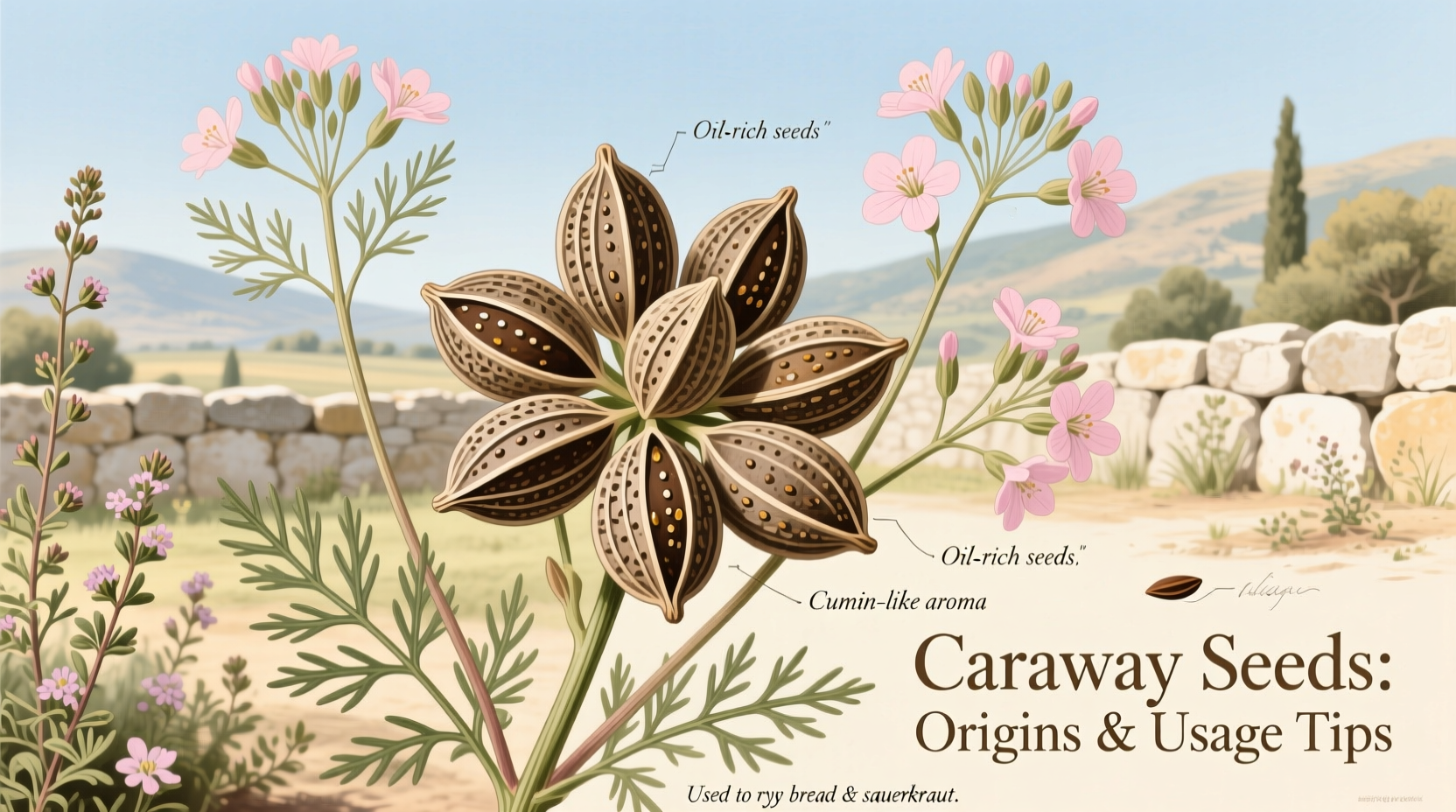
Caraway seeds (Carum carvi) are the dried fruit of a biennial plant in the Apiaceae family, which includes parsley, dill, cumin, and fennel. Native to western Asia, North Africa, and Europe, caraway has been cultivated for over 5,000 years, with archaeological evidence of its use in ancient Egyptian tombs and Roman kitchens. The crescent-shaped seeds range from 3 to 6 millimeters in length, with a ridged surface and a warm tan to golden-brown hue when mature.
Culinarily, caraway functions as both a spice and a digestive aid. Its unique flavor bridges earthiness and sweetness, making it indispensable in traditional dishes across Germany, Hungary, Ireland, Morocco, and Scandinavia. While often associated with rye bread, its role extends far beyond baked goods into soups, cheeses, meat preparations, and even liqueurs like kümmel. Unlike some spices used purely for heat or aroma, caraway contributes structural depth—adding resonance rather than dominance—to well-balanced recipes.
Key Characteristics
| Attribute | Description |
|---|---|
| Flavor Profile | Earthy, slightly sweet, with notes of anise, citrus peel, and pepper. Less licorice-forward than fennel, less smoky than cumin. |
| Aroma | Warm, nutty, and subtly floral when crushed; releases volatile oils upon grinding. |
| Color & Form | Light brown to golden-yellow, curved ridges along longitudinal lines; typically sold whole. |
| Heat Level | None. Not pungent or spicy in the chili sense. Mild warmth develops during prolonged cooking. |
| Culinary Function | Flavor enhancer, digestif, preservative (in fermented foods), binder in spice blends. |
| Shelf Life | Whole seeds: 2–3 years in cool, dark storage. Ground: 6–9 months before significant oil degradation. |
Practical Usage: How to Use Caraway Seeds in Cooking
The versatility of caraway lies in its ability to complement both savory and mildly sweet preparations. When used judiciously, it adds dimension without overwhelming other ingredients. Below are proven methods for incorporating caraway into everyday cooking.
Dry Toasting for Depth
Toasting caraway seeds in a dry skillet unlocks their full aromatic potential. Heat a small amount (½ to 1 teaspoon) over medium-low heat for 2–3 minutes, shaking frequently until fragrant and slightly darker. This technique is ideal before adding seeds to dressings, rubs, or grain pilafs. Toasted caraway pairs exceptionally well with potatoes, cabbage, and root vegetables.
Baking: The Backbone of Rye and Soda Breads
No traditional German pumpernickel or Irish wheaten loaf is complete without caraway. It balances the heaviness of dense flours and enhances fermentation notes in sourdough ryes. A standard ratio is 1 to 2 tablespoons per 500g of flour. For even distribution, mix seeds into dry ingredients before hydration. Some bakers also sprinkle additional seeds on top for visual appeal and textural contrast.
In Fermented and Pickled Preparations
Caraway plays a dual role in lacto-fermented foods: it inhibits spoilage microbes while improving digestibility. Add 1–2 teaspoons per quart jar when preparing sauerkraut or kimchi. In pickling brines, especially for beets, cucumbers, or onions, combine caraway with mustard seed, coriander, and bay leaf for a robust Eastern European profile.
Building Complex Spice Blends
While not a dominant player in most global spice mixes, caraway appears subtly in several regional blends:
- Garam Masala (Indian variant): Used in Kashmiri versions for added warmth.
- Chili Powder (Mexican-style): Occasionally included in artisanal blends for depth.
- Älplermagronen Seasoning (Swiss Alpine Pasta): Combined with nutmeg and onion powder.
- Harissa Base (North African twist): Paired with cumin and coriander in certain Tunisian iterations.
Pro Tip: Grind caraway seeds just before use for maximum flavor impact. Use a mortar and pestle or dedicated spice grinder. Avoid pre-ground versions unless labeled \"freshly milled\"—most commercial ground caraway loses potency within weeks.
Meat and Stew Applications
In Hungarian goulash, Austrian beef rouladen, and Polish bigos (hunter’s stew), caraway tempers the richness of fatty meats and supports slow-cooked tomato bases. Whole seeds are typically bloomed in hot fat at the beginning of cooking, then simmered for hours to disperse flavor evenly. For leaner proteins like pork chops or lamb shoulder, a dry rub containing equal parts caraway, black pepper, garlic powder, and salt creates a rustic crust when seared.
Variants & Types
Though caraway is generally available in one primary form—the whole seed—there are subtle variations based on origin, processing, and preparation method.
Whole vs. Ground Caraway
Whole seeds retain essential oils longer and offer controlled release of flavor during cooking. They’re preferred for braises, breads, and pickling. Ground caraway integrates more quickly into doughs and sauces but oxidizes faster. Best used within six months of grinding.
By Geographic Origin
| Region | Flavor Notes | Best Uses |
|---|---|---|
| Central Europe (Germany, Austria) | Mild, balanced, slightly sweeter | Breads, cheese seasonings, potato dishes |
| Middle East (Turkey, Iran) | More pronounced anise note, sharper finish | Yogurt dips, kebabs, rice pilafs |
| North Africa (Morocco, Tunisia) | Earthy, with hints of camphor | Stews, preserved lemons, harissa variants |
| North America (Canada, USA) | Consistently mild; often machine-cleaned | Commercial baking, spice blends |
Related Products
- Caraway Oil: Distilled essential oil used in food manufacturing and natural medicine. Highly concentrated—use only in minute quantities (drops).
- Caraway-Infused Vinegar: Homemade version made by steeping seeds in apple cider or white wine vinegar for two weeks. Ideal for salad dressings.
- Fried Caraway Garnish: Seeds lightly fried in oil until crisp, then sprinkled over soups or roasted vegetables for crunch and aroma.
Comparison with Similar Ingredients
Caraway is frequently confused with cumin, fennel, and anise due to visual and flavor similarities. Understanding the differences ensures proper usage.
| Spice | Appearance | Flavor Profile | Primary Cuisine | Substitution Advice |
|---|---|---|---|---|
| Caraway | Crescent-shaped, light brown, ridged | Earthy, citrusy, faint anise, warm | German, Irish, Moroccan, Scandinavian | N/A — benchmark |
| Cumin | Straighter, darker beige, thinner | Smoky, nutty, slightly bitter | Mexican, Indian, Middle Eastern | Possible 1:1 in stews; alters overall tone |
| Fennel Seed | Similar shape, brighter yellow | Pronounced licorice, sweet, cooling | Italian, Indian (saunf), Chinese five-spice | Use ½ amount if substituting; too sweet otherwise |
| Anise Seed | Almost identical shape, shinier | Intense black licorice, medicinal edge | Mediterranean desserts, absinthe, Middle Eastern sweets | Not recommended; overpowering in savory dishes |
\"Many chefs reach for fennel when they want 'that licorice taste,' but caraway offers something more grounded—a warmth that melds with meat and grains instead of floating above them.\" — Chef Lena Vogt, Culinary Instructor, Vienna Academy of Gastronomy
Practical Tips & FAQs
How much caraway should I use?
Start with ½ to 1 teaspoon of whole seeds per four servings in stews or braises. For breads, increase to 1–2 tablespoons per 500g flour. Always taste as you go—caraway can become bitter if overused.
Can I substitute caraway in recipes?
Limited substitutions exist due to its unique profile. In a pinch:
- For rye bread: Try a 50/50 blend of fennel and cumin (though result will differ).
- For sauerkraut: Mustard seed and celery seed can mimic texture and partial flavor.
- For goulash: Double paprika and add a pinch of nutmeg to compensate for missing warmth.
Note: No true substitute replicates caraway exactly.
Is caraway safe for everyone?
Yes, in culinary amounts. However, concentrated caraway oil may interact with blood-thinning medications or hormone-sensitive conditions. Pregnant women should avoid therapeutic doses but can consume normal food portions safely.
Does caraway aid digestion?
Clinical studies suggest carminative properties—meaning it helps reduce gas and bloating. Traditionally served after meals in Central Europe as a digestive tea or in seeded breads alongside rich foods.
How do I store caraway seeds?
Keep in an airtight glass container away from light, heat, and moisture. A cool pantry or cupboard works best. Avoid storing near the stove or dishwasher. Label with purchase date; rotate stock every 18–24 months for peak quality.
What dishes showcase caraway best?
- Traditional Rye Bread – The quintessential application.
- Bigos (Polish Hunter’s Stew) – Layers of meat, cabbage, and forest mushrooms benefit from caraway’s grounding effect.
- Kasekrainer (Austrian Cheese-Filled Sausage) – Caraway complements melted Emmental inside smoked sausage casing.
- Tajine with Apricots and Lamb – Moroccan variation where caraway adds warmth without competing with saffron.
- Carrot and Caraway Soup – Roasted carrots blended with toasted caraway, onion, and vegetable stock create a velvety, autumnal dish.
Storage Checklist:
✔ Use dark glass jars with tight lids
✔ Store below 70°F (21°C)
✔ Keep away from direct sunlight
✔ Do not refrigerate (condensation damages seeds)
✔ Grind only what you need immediately
Summary & Key Takeaways
Caraway seeds are far more than a bread topping—they are a foundational spice with deep cultural roots and functional benefits in cooking. Their warm, earthy-anise flavor enhances a wide array of dishes, particularly those involving grains, cabbage, fermented vegetables, and slow-cooked meats. Properly stored whole seeds maintain potency for up to three years, making them a reliable pantry staple.
Understanding the distinctions between caraway and similar spices like cumin and fennel prevents recipe missteps. While visual cues help, flavor testing remains the best identifier. Toasting before use amplifies aroma, and pairing with fats ensures optimal extraction during cooking.
Whether you're crafting authentic rye loaves, fermenting your own kraut, or experimenting with cross-cultural stews, caraway offers a bridge between tradition and modern flavor design. By treating it not as a background note but as a deliberate component of your seasoning strategy, you unlock new dimensions in everyday meals.
Next time you bake bread or simmer a stew, consider reaching for caraway—not out of habit, but with intention. Taste the difference when this humble seed is given its rightful place in the spice hierarchy.




 浙公网安备
33010002000092号
浙公网安备
33010002000092号 浙B2-20120091-4
Comments
No comments yet. Why don't you start the discussion?