
Cats are complex companions. While they often appear indifferent, their toys play a crucial role in mental stimulation, physical activity, and emotional comfort. Two popular choices—cartoon cat plush toys and catnip-infused toys—serve very different purposes. One mimics companionship, the other triggers instinctive behaviors. Choosing between them isn’t about preference alone; it’s about understanding your cat’s personality, needs, and natural instincts. This guide compares both options in depth, helping you make an informed decision that truly enhances your cat’s happiness.
Understanding Feline Play Behavior
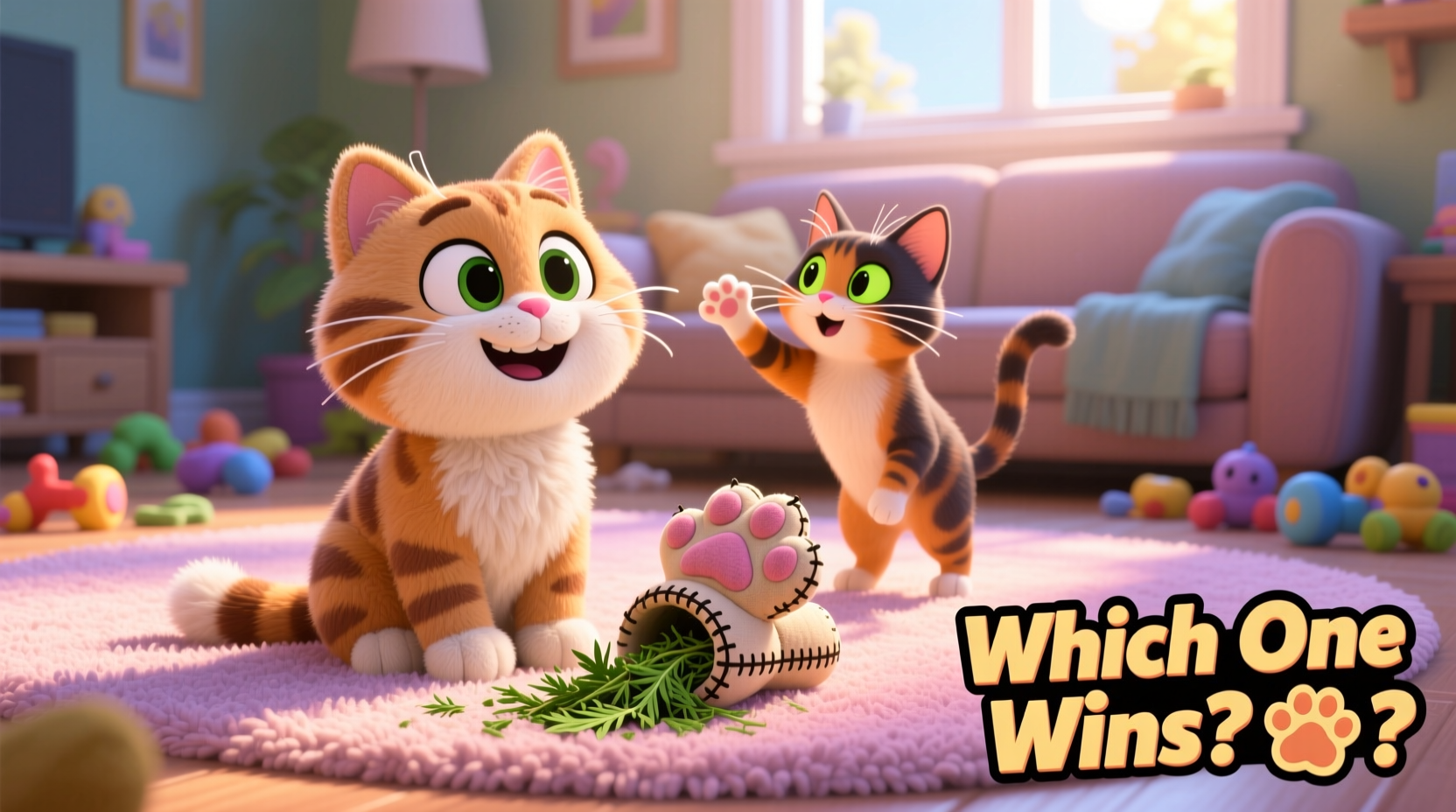
Cats don’t just play for fun—they hunt, stalk, pounce, and groom as part of deeply ingrained survival instincts. Even domesticated cats retain these behaviors, and toys serve as outlets for energy and stress relief. The right toy can reduce anxiety, prevent destructive habits, and strengthen the bond between pet and owner.
Play styles vary widely among cats:
- Hunters prefer toys that move unpredictably or resemble prey.
- Cuddlers may favor soft, plush items they can carry or nest with.
- Explorers engage with scent-based or interactive toys.
A cartoon cat plush appeals to social and nurturing instincts, while a catnip toy activates sensory and predatory responses. Neither is universally “better”—the key is alignment with your cat’s temperament.
Cartoon Cat Plush Toys: Comfort Through Companionship
Plush toys designed as cartoon cats—often oversized, soft, and expressive—are more than novelty items. For some cats, they become surrogate companions. These toys typically lack movement or scent but offer tactile comfort. Cats may carry them, sleep beside them, or gently mouth them during quiet times.
This behavior is especially common in:
- Kittens seeking maternal figures
- Lonely or single pets without feline housemates
- Cats with strong nesting or nurturing tendencies
Dr. Sarah Thompson, a veterinary behaviorist, explains:
“Some cats form attachments to plush objects as a form of self-soothing. It’s not unlike a child hugging a stuffed animal. The predictability and softness provide emotional security.” — Dr. Sarah Thompson, DVM, Animal Behavior Specialist
However, not all cats respond this way. Aggressive or highly active cats may view plush toys as prey rather than friends, leading to destructive dismantling. In multi-cat homes, plush toys can also trigger territorial disputes if one cat claims the toy as theirs.
How Catnip Toys Stimulate Natural Instincts
Unlike plush toys, catnip toys rely on neurochemistry. Nepetalactone, the active compound in catnip (Nepeta cataria), binds to receptors in a cat’s nasal tissue, stimulating neurons in the brain linked to pleasure and arousal. Reactions vary: some cats become hyperactive, others mellow out, and a small percentage show no response at all (due to genetics).
The effects typically last 5–15 minutes, followed by a refractory period where the cat becomes temporarily immune to catnip.
Benefits of catnip toys include:
- Increased physical activity, aiding weight management
- Stress reduction in anxious cats
- Encouragement of play in sedentary or older cats
- Positive association with scratching posts or beds when infused with catnip
These toys work best when used strategically—rotated weekly to maintain novelty, or paired with training exercises like lure chasing to improve coordination.
Direct Comparison: Plush vs. Catnip Toys
| Feature | Cartoon Cat Plush Toy | Catnip Toy |
|---|---|---|
| Primary Appeal | Emotional comfort, companionship | Sensory stimulation, instinct activation |
| Lifespan | Moderate (subject to chewing) | Short (catnip potency fades in weeks) |
| Best For | Cuddly, anxious, or lonely cats | Active, playful, or under-stimulated cats |
| Interaction Style | Carrying, nuzzling, guarding | Biting, rolling, kicking, chasing |
| Replacement Frequency | Only when damaged | Every 4–8 weeks (to refresh scent) |
| Allergy/Sensitivity Risk | Low (unless fabric irritates) | Moderate (some cats overstimulated) |
Real-Life Example: Luna and the Blue Plush Kitten
Luna, a 3-year-old rescue Maine Coon, lived alone after her owner adopted her from a shelter. Initially withdrawn, she showed little interest in wand toys or catnip mice. Her owner introduced a large cartoon cat plush with floppy limbs and a friendly face. Within days, Luna began carrying it around the house, sleeping with it at night, and grooming it gently.
“It was unexpected,” her owner said. “But she treats it like a sibling. She even brings it to the door when I come home.”
In contrast, when offered a catnip banana toy, Luna sniffed it once and walked away. She responded similarly to other aromatic toys. Her preference clearly leaned toward emotional attachment over sensory excitement.
This case illustrates that happiness in cats isn’t solely tied to activity—it can also stem from perceived companionship.
When to Combine Both: A Balanced Approach
Rather than choosing one over the other, many experts recommend using both types of toys in rotation. A balanced enrichment plan includes:
- Morning: Catnip toy for energetic play and exercise.
- Evening: Plush toy for winding down and comfort.
- Rotation Schedule: Swap toys weekly to prevent boredom.
This approach mirrors the natural rhythm of hunting (high energy) followed by resting (security-seeking). It also prevents habituation, where cats lose interest due to overexposure.
Checklist: Optimizing Your Cat’s Toy Selection
- ✅ Observe your cat’s initial reaction to new toys
- ✅ Offer one plush and one catnip toy simultaneously to test preference
- ✅ Rotate toys every 5–7 days to maintain novelty
- ✅ Replace catnip toys when response diminishes
- ✅ Supervise playtime to ensure safety (no ingestion of stuffing or strings)
- ✅ Clean plush toys monthly with mild detergent
- ✅ Store unused catnip toys in airtight containers
Frequently Asked Questions
Can catnip toys be harmful?
No, catnip is non-addictive and safe for most cats. However, excessive exposure can cause mild digestive upset. Limit intense sessions to 10–15 minutes and avoid daily use. Kittens under 6 months and senior cats may not respond or could become overly agitated.
What if my cat ignores both types of toys?
Not all cats are toy-motivated. Some prefer human interaction, puzzle feeders, or window perches. Try introducing toys during feeding time or use a feather wand to spark interest. Patience and variety are key.
Are there alternatives to catnip?
Yes. Silver vine, valerian root, and Tatarian honeysuckle are effective for cats unresponsive to catnip. Silver vine, in particular, elicits a reaction in about 80% of non-catnip responders.
Final Thoughts: Happiness Is Personal
There is no universal answer to whether a cartoon cat plush or a catnip toy makes a cat happier. Happiness in cats manifests differently—through bursts of joyous activity or quiet moments of comfort. The best choice depends on your cat’s age, history, personality, and environment.
Instead of searching for a single “best” toy, focus on offering variety and observing what genuinely engages your cat. A plush toy might bring solace to a shy rescuer, while a catnip kicker could unlock the inner hunter in a lethargic indoor cat. By understanding these differences, you’re not just buying toys—you’re enriching your cat’s world.




 浙公网安备
33010002000092号
浙公网安备
33010002000092号 浙B2-20120091-4
Comments
No comments yet. Why don't you start the discussion?