
Cat owners often notice their feline companions making unusual noises—snorts, grunts, or short bursts of air expelled through the nose or mouth. One such sound is \"huffing,\" a behavior that can range from harmless to concerning depending on context. Unlike purring or meowing, huffing isn't widely discussed, yet it plays a significant role in feline communication. Understanding what triggers this sound and what it signifies can deepen your bond with your cat and help you respond appropriately to their needs.
Huffing in cats typically sounds like a quick, forceful exhalation—similar to a mini sneeze or a soft snort. It’s not always accompanied by aggression or distress, but it shouldn’t be ignored either. By observing body language, frequency, and environmental cues, you can begin to decode whether your cat is annoyed, excited, or possibly unwell.
What Does Cat Huffing Sound Like?
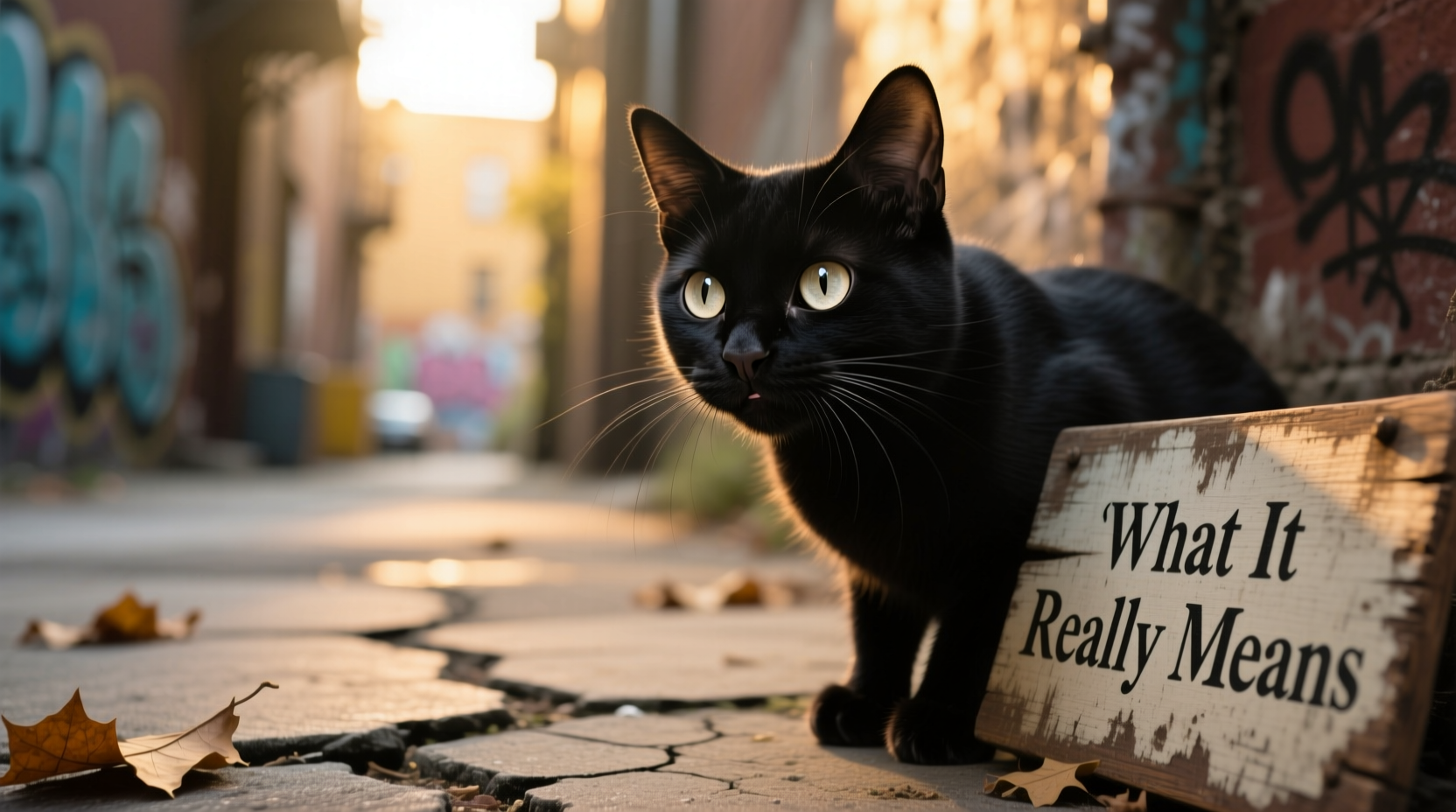
Huffing is distinct from other cat vocalizations. It’s usually a short, sharp burst of air, often repeated in rapid succession. Think of it as a cross between a sigh and a grunt. Some describe it as sounding like “pfft” or “huh.” It may come from the nose, mouth, or both. Unlike growling or hissing, which are clearly defensive, huffing can be subtle and easily missed if you’re not paying attention.
This sound is produced when a cat forcefully expels air while keeping its mouth partially closed. It doesn’t involve the vocal cords like meowing does, which is why it lacks pitch variation. The physical mechanism is similar to a human blowing out a candle—controlled but abrupt.
Common Causes of Cat Huffing
Cats don’t huff without reason. While it’s not always a red flag, understanding the underlying cause is essential for responsible pet care. Here are the most frequent explanations:
- Frustration or annoyance: A cat may huff when interrupted during grooming, napping, or focused observation (like watching birds). It’s a polite way of saying, “Back off.”
- Play excitement: During intense play sessions, especially with toys or other pets, cats may huff as a release of pent-up energy.
- Surprise or startle response: Sudden noises or movements can trigger a reflexive huff, much like a human gasp.
- Communication with other animals: In multi-pet households, huffing can serve as a warning signal to maintain boundaries.
- Physical discomfort: If huffing occurs frequently or is paired with lethargy, coughing, or labored breathing, it could indicate pain or respiratory distress.
The Role of Body Language in Interpretation
Sound alone isn’t enough to interpret huffing. You must consider posture, ear position, tail movement, and eye dilation:
| Huffing Context | Body Language Cues | Interpretation |
|---|---|---|
| During petting | Ears back, tail flicking, skin twitching | Overstimulation – stop petting |
| While playing | Pounced stance, dilated pupils, forward ears | Excitement – normal behavior |
| After sudden noise | Flattened ears, crouched posture | Fear or surprise – provide reassurance |
| At rest, repeated huffing | Lethargy, open-mouth breathing | Potential health issue – consult vet |
“Cats are masters of subtle communication. A single huff might be a social cue, but repeated or isolated huffing deserves attention.” — Dr. Lena Torres, Feline Behavior Specialist
When Huffing Signals a Health Problem
Not all huffing is behavioral. Sometimes, it’s a symptom of an underlying medical condition. Respiratory infections, asthma, heart disease, or even dental pain can manifest as unusual breathing patterns. If your cat exhibits any of the following, seek veterinary evaluation:
- Huffing at rest or while sleeping
- Open-mouth breathing or wheezing
- Nasal discharge or sneezing
- Reduced activity or appetite
- Coughing that resembles huffing
Feline asthma, for example, affects up to 1% of cats and often begins with subtle signs like huffing or shallow breathing after exertion. Left untreated, it can progress to life-threatening bronchoconstriction.
Mini Case Study: Bella the Overstimulated Tabby
Bella, a 3-year-old domestic shorthair, lived with her owner Sarah in a quiet apartment. Sarah noticed Bella would occasionally huff when being petted, especially around the base of her tail. At first, she thought it was a quirk, but over time, the huffing escalated to swatting.
After consulting a feline behaviorist, Sarah learned that Bella was experiencing sensory overload. Many cats tolerate petting briefly before becoming overstimulated. The huff was Bella’s early warning system—her way of saying, “Enough.” By reducing petting duration and watching for tail flicks or skin rippling, Sarah adjusted her interactions. Within weeks, the huffing stopped, and Bella became more affectionate on her own terms.
This case illustrates how huffing functions as a communication tool. When respected, it prevents escalation. When ignored, it can lead to aggression or withdrawal.
How to Respond to Your Cat’s Huffing
Your reaction shapes future behavior. Responding appropriately reinforces trust and reduces stress. Follow these steps:
- Pause immediately: If your cat huffs while being touched, stop all interaction. Give them space.
- Observe surroundings: Was there a loud noise? Another pet nearby? Identifying triggers helps prevent recurrence.
- Avoid punishment: Never yell or punish a huffing cat. This increases anxiety and damages trust.
- Reassure calmly: Speak softly and allow the cat to re-approach when ready.
- Track frequency: Keep a brief log of when huffing occurs. Share it with your vet if patterns suggest discomfort.
Checklist: Is Your Cat’s Huffing Normal?
- ✅ Occurs only during play or mild frustration
- ✅ Stops when stimulus is removed
- ✅ No other symptoms (coughing, lethargy, nasal discharge)
- ✅ Cat returns to normal behavior quickly
- ✅ Body language is relaxed after the incident
If you answered “no” to most of these, schedule a vet visit to rule out medical causes.
FAQ
Is cat huffing the same as reverse sneezing?
No. Reverse sneezing is a rapid inhalation through the nose, often producing a snorting or honking sound. It’s usually caused by irritation in the nasopharynx. Huffing, on the other hand, is an exhalation and typically linked to emotion or mild irritation rather than spasms.
Can stress cause my cat to huff?
Yes. Cats under stress—due to changes in environment, new pets, or loud noises—may huff as a coping mechanism. Chronic stress can lead to behavioral shifts, so identifying and reducing stressors is crucial.
Should I be worried if my kitten huffs during play?
Not necessarily. Young cats are energetic and may huff when excited. As long as the kitten is healthy, eating well, and not showing signs of distress, occasional huffing during play is normal.
Conclusion
Decoding cat huffing is about listening beyond the sound. It’s a nuanced form of expression—one that blends emotion, instinct, and sometimes, physiology. By paying attention to context, body language, and frequency, you gain insight into your cat’s inner world. Most huffing is harmless, even informative, but knowing when to act can make all the difference in your cat’s well-being.




 浙公网安备
33010002000092号
浙公网安备
33010002000092号 浙B2-20120091-4
Comments
No comments yet. Why don't you start the discussion?