
When a cold or flu strikes, few remedies are as universally recommended as a warm bowl of chicken noodle soup. Passed down through generations and embraced across cultures, this comfort food has earned its reputation as a go-to when feeling under the weather. But beyond tradition and emotional comfort, is there real science behind its healing properties? The answer is more nuanced than a simple yes or no — but evidence suggests that chicken noodle soup does indeed offer measurable benefits during illness.
The combination of warmth, hydration, nutrients, and subtle anti-inflammatory effects may not cure a virus, but it can support the body’s natural defenses and ease uncomfortable symptoms. Understanding how and why it works allows you to make informed choices about incorporating it into your recovery routine.
The Science Behind the Soothing Bowl
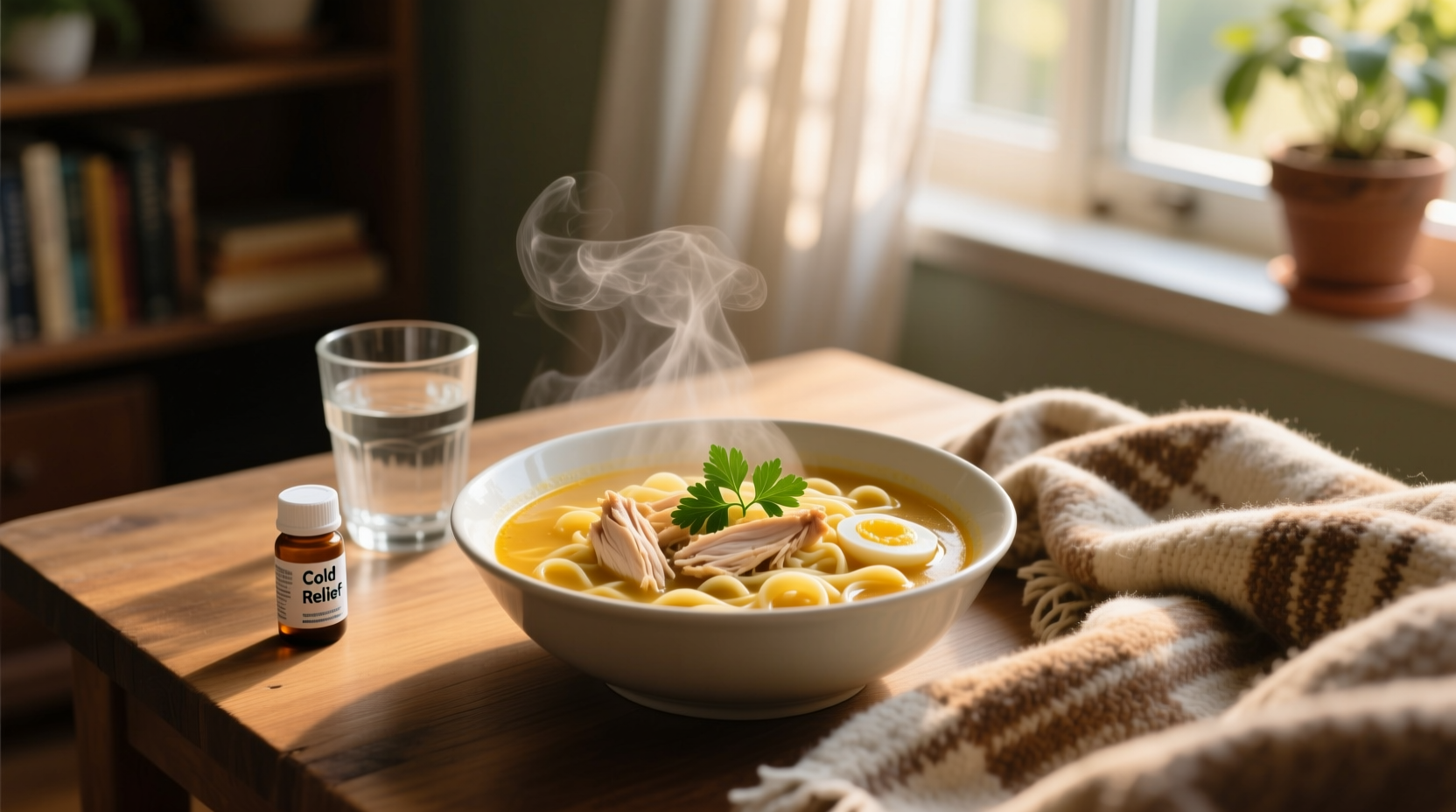
Chicken noodle soup isn’t just emotionally comforting — it interacts with your body in specific ways that can influence immune function and symptom severity. Researchers have examined its components to determine whether the soup’s reputation is rooted in fact.
A well-known study published in the journal *Chest* found that chicken soup has mild anti-inflammatory properties. Specifically, it may inhibit the migration of neutrophils — white blood cells involved in inflammation — which could reduce congestion and sore throat discomfort. While the effect is modest, it contributes to overall symptom relief.
The steam from hot soup helps loosen mucus in nasal passages and sinuses, making breathing easier. This is particularly helpful during upper respiratory infections. Additionally, the broth provides essential fluids and electrolytes, crucial when appetite is low and fluid loss occurs through fever, sweating, or runny nose.
“While no food can cure a cold, chicken noodle soup provides hydration, electrolytes, and easily digestible nutrition — all vital when the body is fighting infection.” — Dr. Laura Chen, Internal Medicine Specialist
Nutritional Components That Support Recovery
The effectiveness of chicken noodle soup lies in its ingredients. Each component plays a role in supporting physical recovery:
- Chicken: A source of lean protein, essential for tissue repair and immune cell production. It also contains cysteine, an amino acid released during cooking that resembles the drug acetylcysteine, used to treat bronchitis.
- Vegetables (carrots, celery, onions): Provide antioxidants like vitamin C, beta-carotene, and quercetin, which help modulate immune response and combat oxidative stress.
- Bone broth base: Rich in minerals such as calcium, magnesium, and potassium, and may contain collagen, which supports gut health — a key factor in immunity.
- Noodles: Offer carbohydrates for energy, especially important when appetite is suppressed.
- Warm liquid: Promotes hydration, soothes the throat, and improves circulation of mucous membranes.
How Chicken Noodle Soup Compares to Other Remedies
| Remedy | Hydration Benefit | Nutrient Density | Symptom Relief | Scientific Backing |
|---|---|---|---|---|
| Chicken Noodle Soup | High | Moderate to High | Yes (congestion, sore throat) | Supported by clinical observation |
| Herbal Teas | High | Low to Moderate | Yes (soothing, decongestant) | Limited but promising |
| Vitamin C Supplements | None | High (vitamin only) | Mild reduction in duration | Mixed evidence |
| Over-the-Counter Cold Meds | None | None | Yes (targeted relief) | Strong for symptoms, not cure |
While medications target specific symptoms, chicken noodle soup offers a holistic approach — combining hydration, nutrition, and comfort in one accessible form. It doesn’t replace medical treatment but serves as a valuable complementary strategy.
Best Practices for Maximum Benefit
To get the most out of chicken noodle soup when sick, preparation and timing matter. Follow these steps to optimize its impact:
- Choose or prepare a nutrient-rich version: Use real chicken, fresh vegetables, and a broth base simmered long enough to extract minerals. Avoid excessive salt or preservatives.
- Serve it hot, not boiling: Heat helps thin mucus, but extremely hot temperatures can irritate a sore throat. Aim for comfortably warm.
- Eat slowly in small portions: When nauseous or fatigued, large meals can be overwhelming. Sipping soup throughout the day maintains hydration and energy.
- Pair with rest and fluids: Soup should complement, not replace, water intake. Drink additional water, herbal teas, or electrolyte solutions.
- Reheat safely: If storing leftovers, reheat thoroughly to prevent bacterial growth, especially important when immunity is compromised.
Mini Case Study: Recovering from a Winter Cold
Sarah, a 34-year-old teacher, came down with a viral upper respiratory infection during flu season. With a fever, cough, and nasal congestion, she struggled to eat solid foods. On day two, her mother brought over a pot of homemade chicken noodle soup made with carrots, celery, onions, and wide egg noodles in a slow-simmered chicken broth.
Sarah found that eating a small bowl every few hours helped keep her hydrated and eased her sore throat. The warmth provided immediate relief from sinus pressure, and she reported feeling less fatigued compared to days when she skipped meals. By day four, her appetite returned, and she credited consistent soup intake — along with rest and hydration — with helping her avoid complications and return to work sooner.
Common Myths and Misconceptions
Despite its popularity, several myths surround chicken noodle soup’s role in illness:
- Myth: It cures the common cold. Truth: No food can eliminate a virus. However, soup supports recovery by reducing inflammation and maintaining strength.
- Myth: Only homemade soup works. Truth: While homemade versions are typically lower in sodium and richer in nutrients, store-bought soups still provide hydration and calories — choose low-sodium options when possible.
- Myth: The noodles are the key ingredient. Truth: Carbohydrates provide energy, but the real benefits come from the broth, vegetables, and chicken.
Frequently Asked Questions
Can chicken noodle soup shorten the duration of a cold?
There is no strong evidence that it shortens the overall infection timeline, but studies suggest it may reduce symptom severity and duration slightly due to anti-inflammatory and hydrating effects. Most people report feeling better faster when they maintain nutrition and fluid intake with soups like this.
Is canned chicken noodle soup effective when sick?
Yes, though with caveats. Canned soups offer convenience and still deliver hydration and some nutrients. However, many contain high sodium levels, which can contribute to dehydration. Look for low-sodium, no-preservative-added varieties, or dilute regular versions with water.
What if I’m vegetarian or vegan?
Plant-based soups with lentils, tofu, mushrooms, and vegetables in a rich vegetable broth can offer similar benefits — warmth, hydration, and nutrients. Miso soup, lentil stew, or turmeric-spiced broths are excellent alternatives that support immune function.
Conclusion: More Than Just Folklore
Chicken noodle soup when sick isn’t just a sentimental tradition — it’s a practical, science-backed strategy for managing cold and flu symptoms. Its ability to hydrate, nourish, and mildly reduce inflammation makes it a smart choice during illness. While it won’t replace rest, sleep, or medical care, it complements them effectively.
The next time you feel a cold coming on, consider preparing or reaching for a bowl of soup not just for comfort, but as part of a thoughtful recovery plan. Whether homemade or carefully selected from a shelf, this humble meal continues to earn its place in wellness routines worldwide.




 浙公网安备
33010002000092号
浙公网安备
33010002000092号 浙B2-20120091-4
Comments
No comments yet. Why don't you start the discussion?