
In June 2023, comedian Chris Delia abruptly disappeared from public view. Once a rising star in the stand-up world with appearances on Comedy Central, SiriusXM, and major podcasts, his career came to a sudden halt when multiple women came forward with disturbing allegations. The story unfolded rapidly across social media and entertainment news outlets, sparking intense debate about accountability, due process, and the role of comedy in modern culture. This article examines the details behind Chris Delia’s cancellation, the nature of the accusations, the response from peers and networks, and what it reveals about the evolving standards in the comedy industry.
The Allegations That Sparked the Backlash
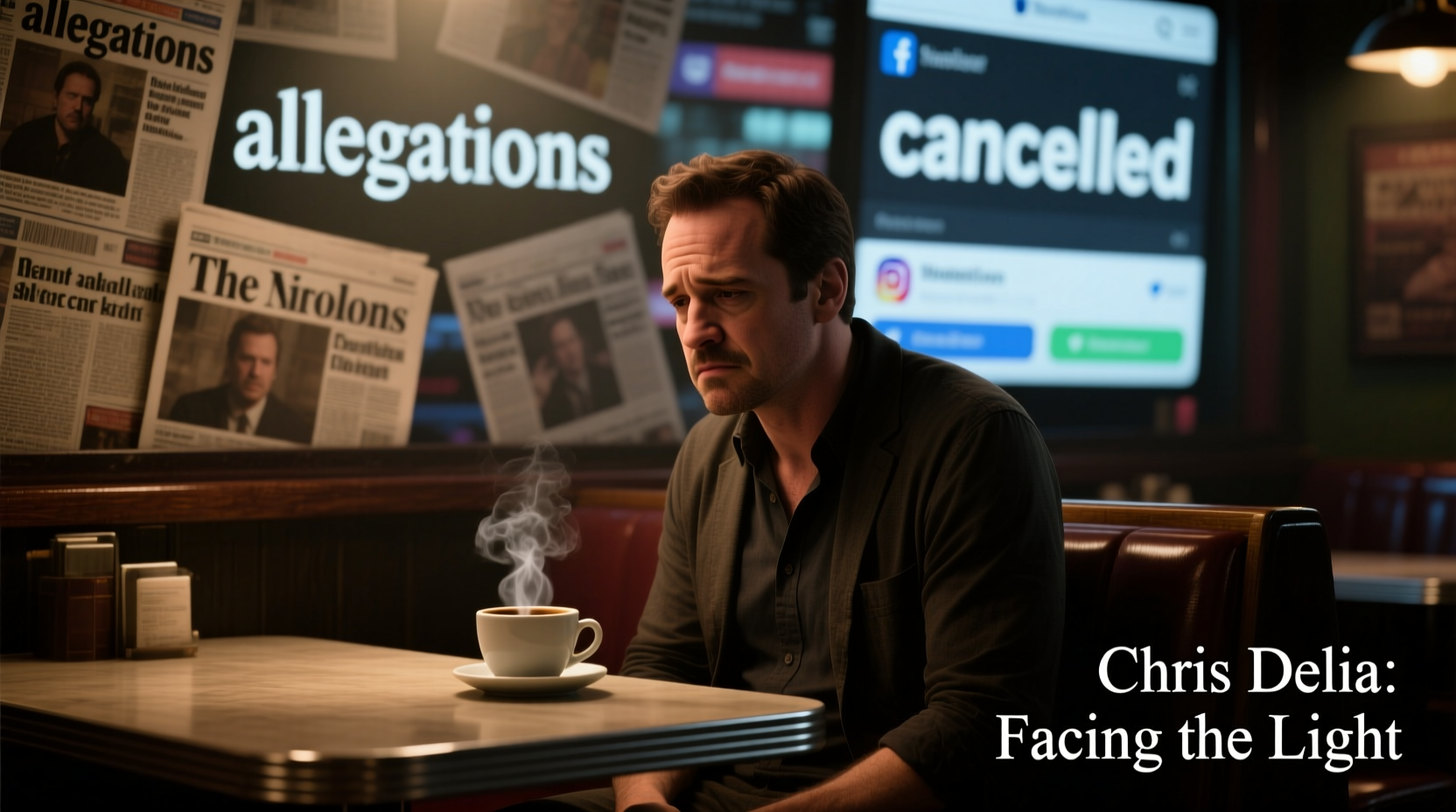
In early June 2023, a series of posts emerged on social media platforms—primarily Instagram and Twitter—accusing Chris Delia of engaging in inappropriate relationships with minors. The claims centered around interactions that allegedly occurred between Delia and teenage girls during the late 2000s and early 2010s, when he was active in the Chicago comedy scene. At least three individuals shared detailed accounts describing grooming behavior, manipulation, and emotional coercion.
One accuser claimed she met Delia at age 15 through mutual friends in the local comedy community. She alleged that their relationship began as mentorship but escalated into an emotionally dependent dynamic, including frequent communication and eventual sexual contact once she turned 16. Other accounts echoed similar patterns: older teens being drawn into private conversations, receiving gifts or professional advice, and feeling pressured into intimacy under the guise of romantic interest or career advancement.
While none of the allegations have resulted in criminal charges—and no law enforcement investigation has been publicly confirmed—the severity of the claims prompted immediate consequences within the entertainment industry.
“Even if something falls within legal boundaries, it doesn’t mean it’s ethical. Power imbalances in comedy spaces make consent complicated.” — Dr. Lena Reyes, Cultural Critic & Media Ethicist
Immediate Fallout: Career Collapse and Industry Response
Within 48 hours of the first public allegations, Chris Delia’s professional presence evaporated. His comedy specials were pulled from streaming platforms including Comedy Central Stand-Up Presents and YouTube. SiriusXM, where he hosted a show on Raw Dog Comedy, removed all episodes and severed ties. Bookings for live performances were canceled across the country, including upcoming tour dates in New York, Los Angeles, and Chicago.
Comedy Central released a brief statement: “We are aware of the serious allegations against Chris Delia and have removed his content pending further review.” Other figures in the comedy world responded more personally. Comedians who had previously collaborated with Delia—including Bert Kreischer, Theo Von, and Tom Segura—refused to comment publicly, while others like Michelle Wolf and Roy Wood Jr. expressed support for the survivors without naming Delia directly.
The silence from many peers highlighted a broader tension in the comedy community: how to respond to allegations against someone who was once considered a peer and friend, especially when no legal verdict exists.
Timeline of Key Events
The sequence of events following the initial allegations illustrates how quickly reputations can shift in the digital age. Below is a chronological breakdown of the most significant developments.
| Date | Event |
|---|---|
| June 3, 2023 | First anonymous post surfaces on Instagram detailing alleged grooming by Chris Delia. |
| June 4, 2023 | Two additional women come forward with corroborating stories; screenshots go viral on Twitter. |
| June 5, 2023 | Comedy Central removes Delia’s special “Big Ole’ Boy” from its platform. |
| June 6, 2023 | SiriusXM drops Delia’s show; Live Nation cancels all booked tour dates. |
| June 7, 2023 | Delia deletes all social media accounts; no public statement issued. |
| July 2023 – Present | No new content released; Delia remains absent from public life. |
Broader Implications for Comedy Culture
The Chris Delia case reignited long-standing conversations about power dynamics in comedy. Unlike traditional industries with HR departments and formal hierarchies, the comedy world often operates informally, relying on word-of-mouth bookings, podcast appearances, and mentorship networks. This fluid structure can create environments where boundary-pushing humor blurs into real-life misconduct.
Many comedians have pointed out that while edgy material is part of the craft, offstage behavior must still adhere to ethical standards. As one anonymous comic told Vulture, “We joke about everything—but that doesn’t give anyone a pass to exploit young people trying to break into the scene.”
The allegations also raised questions about age of consent laws versus moral responsibility. While some interactions may technically comply with legal age thresholds (e.g., 16 or 17), critics argue that adults in positions of influence—especially those twice the age of their counterparts—have a duty to avoid romantic or sexual entanglements.
Checklist: Signs of Grooming Behavior in Professional Settings
- Excessive private communication outside professional context
- Isolating the individual from peers or support systems
- Gift-giving or promises of career advancement in exchange for attention
- Gradual escalation of emotional intimacy
- Encouraging secrecy or downplaying concerns about appropriateness
Real Example: The Chicago Comedy Scene Context
To understand how such allegations could emerge unnoticed for years, consider the environment in which they took place. In the late 2000s, Chicago’s improv and stand-up circuits were tight-knit communities centered around venues like The Second City, iO Theater, and smaller indie stages. Young performers—some as young as 16—routinely attended open mics, hoping to network with established comics.
One former performer, now in her late 20s, described how older comedians would offer “mentorship” that sometimes crossed into personal territory. “You feel lucky just to be noticed,” she said. “When someone like Chris Delia—a guy with a radio show and TV credits—starts texting you daily, you don’t question it. You think it’s your big break.” She did not allege abuse herself but said she witnessed concerning patterns involving others.
This case mirrors broader issues seen in other creative fields—from theater to music—where access to opportunity is gatekept by influential figures, creating fertile ground for exploitation.
Frequently Asked Questions
Was Chris Delia charged with any crimes?
No. As of now, there are no public records indicating that Chris Delia has been charged with any criminal offense related to the allegations. The claims remain civil and reputational in nature.
Why did networks act so quickly without legal proof?
Entertainment companies often act preemptively to protect brand reputation and audience trust. In cases involving serious ethical concerns—even without legal convictions—removing content is a risk mitigation strategy.
Can a 16-year-old legally consent to a relationship with an adult in Illinois?
Yes, under Illinois law, the age of consent is 17. However, if the adult is in a position of authority (e.g., teacher, coach), the threshold rises to 18. Comedians aren’t legally classified as authority figures, though ethically, many argue they hold de facto influence over aspiring performers.
Conclusion: Accountability and the Future of Comedy
The fall of Chris Delia is not just about one man’s alleged actions—it reflects a cultural shift in how society evaluates power, consent, and responsibility in creative industries. Whether or not legal action follows, the fact that multiple voices felt empowered to speak out suggests growing awareness and intolerance for exploitative behavior masked as mentorship or romance.
For audiences, this moment calls for critical engagement: supporting comedy that challenges norms without excusing harm. For comedians, it underscores the need for clearer ethical boundaries, especially when interacting with younger or less experienced peers. And for institutions, it highlights the necessity of accountability structures beyond viral outrage.




 浙公网安备
33010002000092号
浙公网安备
33010002000092号 浙B2-20120091-4
Comments
No comments yet. Why don't you start the discussion?