
When holiday lights begin to flicker or bulbs burn out, many homeowners face a critical decision: replace missing or damaged bulbs with an official Christmas light replacement bulb kit, or opt for cheaper generic LED alternatives? While both options can restore illumination, the real challenge lies in maintaining consistent color temperature, brightness, and overall visual harmony across the entire string. A single mismatched bulb can disrupt an otherwise flawless display. This article dives deep into the differences between original equipment manufacturer (OEM) replacement kits and third-party generic LEDs, evaluating their performance in preserving color consistency, durability, and long-term value.
The Problem with Inconsistent Holiday Lighting
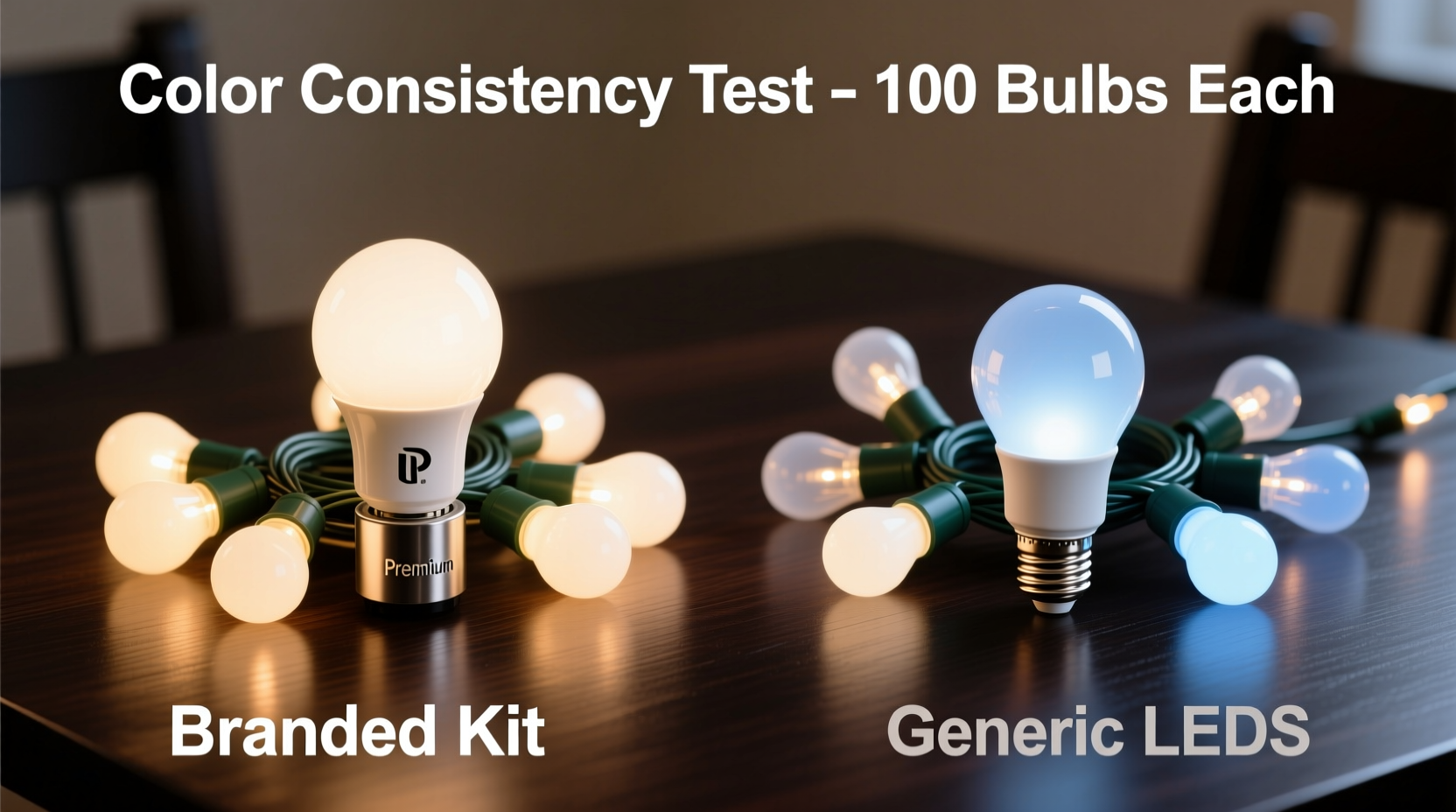
Color matching in Christmas lights may seem like a minor detail, but it’s one of the most visible aspects of a professional-looking display. Over time, exposure to UV rays, moisture, and thermal cycling causes LEDs to degrade. Even slight shifts in color temperature—measured in Kelvin (K)—can make warm white bulbs appear cool or yellowish, while cool whites may develop a blue tinge. When replacing bulbs, using non-matched components introduces further variation, resulting in a patchwork appearance that undermines aesthetic cohesion.
Consider this: a string of 50-count warm white mini lights from a reputable brand like GE or LightKeeper Pro is engineered so each LED emits light at precisely 2700K. Introduce a generic LED rated at 3000K, and the difference becomes apparent under night conditions. The human eye is especially sensitive to discrepancies in white light, making even small mismatches stand out.
How OEM Replacement Bulb Kits Preserve Color Uniformity
Christmas light replacement bulb kits are designed by the original manufacturer to match the exact specifications of the parent string. These kits typically include pre-sorted bulbs calibrated for voltage, lumen output, beam angle, and—most importantly—color temperature. Brands such as NOMA, Mini-Mania, and Christmas Lights, Etc. produce kits tailored to specific product lines, ensuring seamless integration.
One key advantage of OEM kits is spectral consistency. Manufacturers use binning processes during production, grouping LEDs with nearly identical chromaticity coordinates on the CIE color space chart. This ensures minimal deviation between bulbs, often within a MacAdam ellipse step of ≤3, which is imperceptible to the average observer.
Additionally, OEM kits maintain correct polarity and base fit. Many mini Christmas lights use shunted or non-shunted sockets, and incorrect bulb types can lead to electrical shorts or partial string failure. Replacement kits eliminate guesswork by providing only compatible bulbs.
“Using factory-matched replacements isn’t just about aesthetics—it's about system integrity. One off-spec bulb can alter current distribution and accelerate wear on adjacent LEDs.” — Daniel Reeves, Electrical Engineer & Holiday Lighting Consultant
Generic LEDs: Cost Savings vs. Quality Trade-offs
Generic LED bulbs are widely available through online marketplaces and discount retailers. They’re often marketed as universal-fit solutions and cost significantly less than branded kits—sometimes up to 70% cheaper. However, this affordability comes at a price: inconsistent quality control.
Most generic manufacturers do not adhere to strict binning standards. As a result, two bulbs labeled “warm white” from the same batch may emit noticeably different hues. There’s also no guarantee they’ll match the aging profile of your existing lights. Older strings naturally shift toward warmer tones over time, while new generic LEDs might retain a brighter, cooler output, creating a jarring contrast.
Voltage compatibility is another concern. Some generic LEDs operate at lower forward voltages (e.g., 2.8V instead of 3.2V), causing uneven current draw. This imbalance can lead to premature burnout in neighboring bulbs or cause sections of the string to dim unexpectedly.
Real-World Example: A Homeowner’s Mismatched Display
In suburban Denver, homeowner Linda Tran replaced five burnt bulbs on her prized 100-light icicle string using a pack of generic warm white LEDs purchased online. Initially satisfied, she noticed within days that three of the new bulbs emitted a slightly bluer glow. By the second week, two adjacent original bulbs had failed. After consulting a local lighting specialist, she learned that the generic bulbs had altered the series circuit’s resistance, increasing stress on remaining components. Replacing all ten bulbs with an OEM kit restored both function and visual harmony—but at nearly double the initial repair cost.
Comparison: OEM Kit vs. Generic LED Performance
| Feature | OEM Replacement Kit | Generic LED Bulbs |
|---|---|---|
| Color Temperature Match | High precision (≤3 SDCM) | Variable (often ≥7 SDCM) |
| Brightness (Lumens) | Matched to original string | Often higher or inconsistent |
| Voltage Compatibility | Guaranteed | Not guaranteed |
| Lifespan Alignment | Synchronized aging curve | May degrade faster/slower |
| Base Fit & Polarity | Exact match | Risk of improper seating |
| Price per Bulb | $0.35–$0.60 | $0.10–$0.25 |
| Long-Term Reliability | High | Moderate to low |
While generic LEDs win on upfront cost, the table reveals significant trade-offs in performance and reliability. For seasonal displays where visual impact matters—such as rooftop outlines, porch railings, or window frames—color fidelity should not be compromised.
Step-by-Step Guide to Replacing Bulbs Without Sacrificing Color Match
- Identify the Original String Brand and Model: Check packaging or look for model numbers printed on the plug or socket housing.
- Determine Bulb Specifications: Note voltage (usually 2.5V or 3.2V), base type (e.g., G40, T1¾), and color (e.g., Warm White, Cool White, Multicolor).
- Purchase a Matching OEM Kit: Order directly from the manufacturer or authorized retailer to ensure authenticity.
- Test Before Full Installation: Insert one replacement bulb into a mid-string socket and view it after dark alongside existing bulbs.
- Replace All Aging Bulbs Proactively: If multiple bulbs have failed, consider replacing all bulbs in the affected section—even if others still work—to prevent future mismatches.
- Label and Store Spare Bulbs Properly: Keep unused OEM bulbs in their original packaging, away from sunlight and humidity.
When Generic LEDs Might Be Acceptable
There are limited scenarios where generic LEDs may suffice without compromising overall appearance:
- Indoor, Low-Visibility Areas: Strings tucked behind furniture or inside enclosed lanterns.
- Temporary Displays: One-time events where long-term consistency isn't required.
- Non-Critical Color Applications: Pure red, green, or blue LEDs are less prone to noticeable variation than white tones.
- Budget-Limited Projects: When restoring large quantities of lights and perfect uniformity is secondary to functionality.
Even in these cases, inspect each generic bulb under operating conditions before finalizing installation. Sorting bulbs by perceived color in a dark room can help group similar units together, reducing visible disparity.
Checklist: Choosing the Right Replacement Strategy
- ✅ Confirm brand and model of existing light string
- ✅ Verify color temperature (Kelvin rating) of original bulbs
- ✅ Source OEM replacement kit when possible
- ✅ Avoid mixing old and new batches unless tested
- ✅ Replace multiple bulbs at once to maintain aging consistency
- ✅ Store spare OEM bulbs in a cool, dry place
- ✅ Use generic LEDs only in non-critical or temporary applications
Frequently Asked Questions
Can I mix different brands of replacement bulbs on the same string?
It’s strongly discouraged. Different manufacturers use varying semiconductor materials, phosphor coatings, and binning tolerances. Even bulbs labeled with the same color temperature can appear visibly different when placed side by side. Stick to one source for all replacements on a given string.
Do LED Christmas lights fade in color over time?
Yes, though slower than incandescent bulbs. High-quality LEDs experience lumen depreciation and subtle chromaticity shifts after 10,000–25,000 hours of use, especially when exposed to direct sunlight or extreme temperatures. This aging process makes pairing new bulbs with old ones more challenging, reinforcing the need for matched replacements.
Are there any tools to measure color accuracy at home?
Consumer-grade spectrometers like the Datacolor ColorReader or X-Rite i1Display Pro can analyze emitted light and report delta-E values or correlated color temperature (CCT). While not essential for casual users, these tools are valuable for professionals managing large-scale installations requiring pixel-perfect uniformity.
Expert Insight: The Long-Term Value of Consistency
“People invest hundreds in premium lighting displays. It makes no sense to cut corners on replacements. A $5 generic pack that ruins the look—or worse, damages the string—is a false economy.” — Marcus Lin, Founder of Holiday Illumination Labs
Professional installers and landscape lighting designers emphasize lifecycle cost over initial price. An OEM kit may cost more upfront, but its ability to preserve display integrity, reduce repeat maintenance, and extend the usable life of the entire string delivers superior return on investment. For homeowners aiming for curb appeal, rental property managers maintaining festive ambiance, or businesses relying on holiday branding, visual consistency is not optional—it’s essential.
Conclusion: Make the Smart Choice for Lasting Holiday Magic
The choice between a Christmas light replacement bulb kit and generic LEDs ultimately hinges on priorities. If you value a cohesive, high-quality display that remains visually consistent year after year, OEM kits are the clear winner. They offer precise color matching, reliable performance, and peace of mind knowing each component was designed to work seamlessly with your existing setup.
Generic LEDs may save money today, but they risk introducing visual flaws, electrical issues, and shorter lifespans that could cost more in repairs and replacements down the line. Especially for white-toned lights, where color discrepancies are most apparent, cutting corners undermines the very purpose of holiday lighting: to create warmth, joy, and visual delight.
This season, treat your lights with the care they deserve. Invest in proper replacements, maintain your displays proactively, and enjoy a flawless glow that enhances your home’s charm. Your neighbors—and your future self—will thank you when next December rolls around and your lights still shine with perfect harmony.




 浙公网安备
33010002000092号
浙公网安备
33010002000092号 浙B2-20120091-4
Comments
No comments yet. Why don't you start the discussion?