
Dill weed is more than just a garnish—it’s a versatile herb with a distinct flavor and a long history in global cuisines. Often confused with dill seed, the feathery green leaves of the dill plant (Anethum graveolens) are prized for their aromatic, slightly sweet, and anise-like taste. Whether you're making tzatziki, pickling vegetables, or seasoning fish, dill weed adds a bright, herbal lift that few other herbs can replicate. Beyond its culinary appeal, modern research supports traditional uses of dill in aiding digestion, reducing inflammation, and contributing to heart health. Understanding how to properly select, store, and apply dill weed can elevate everyday meals while offering subtle wellness benefits.
Definition & Overview
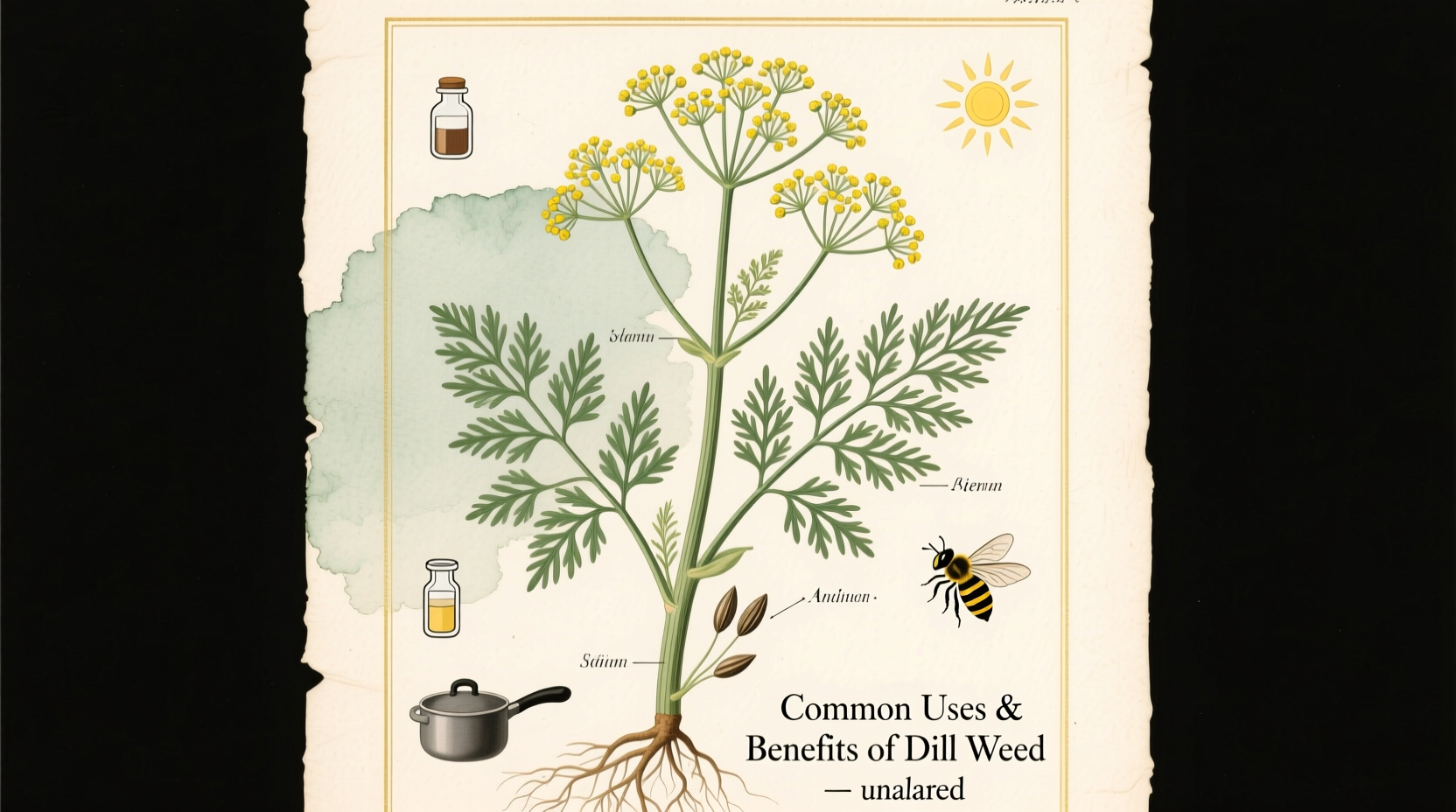
Dill weed refers specifically to the fresh or dried foliage of the dill plant, a member of the Apiaceae family, which also includes parsley, fennel, and cilantro. Native to the Mediterranean and Western Asia, dill has been cultivated for over 5,000 years, with evidence of its use in ancient Egyptian, Greek, and Roman societies—not only as a culinary ingredient but also as a medicinal herb and even a symbol of sleep and protection.
The term \"dill weed\" distinguishes the leafy part of the plant from \"dill seed,\" which comes from the mature fruit and has a stronger, more pungent, and slightly bitter profile. While both come from the same plant, they serve different roles in the kitchen. Dill weed is delicate, aromatic, and best used toward the end of cooking or as a raw garnish to preserve its volatile oils and nuanced flavor.
In contemporary cooking, dill weed features prominently in Scandinavian, Eastern European, Middle Eastern, and Mediterranean cuisines. It's essential in dishes like gravlax, borscht, cucumber-dill salads, and yogurt-based sauces. Its ability to complement both rich and acidic ingredients makes it a staple in balanced flavor profiles.
Key Characteristics
| Attribute | Description |
|---|---|
| Flavor Profile | Slightly sweet, grassy, with notes of anise, citrus, and parsley. More delicate than dill seed. |
| Aroma | Fragrant, fresh, mildly licorice-like when crushed. |
| Appearance | Feathery, thread-like green leaves; resembles fine ferns or young fennel fronds. |
| Heat Sensitivity | High—loses aroma and flavor quickly when exposed to prolonged heat. |
| Culinary Function | Herbal accent, brightening agent, pairing enhancer for dairy, seafood, and vegetables. |
| Shelf Life (Fresh) | 3–7 days refrigerated; up to 6 months when dried and stored properly. |
Practical Usage: How to Use Dill Weed in Cooking
Dill weed shines in applications where freshness and aroma are paramount. Because its essential oils degrade rapidly under heat, the best practice is to add it at the very end of cooking or use it raw. This preserves its vibrant color and complex flavor profile.
Home Cooking Applications
- Dairy-Based Sauces: Stir chopped fresh dill into sour cream, Greek yogurt, or labneh to create instant dips or dressings. Classic tzatziki combines dill, garlic, lemon juice, cucumber, and yogurt—a cooling accompaniment to grilled meats or falafel.
- Seafood Seasoning: Dill pairs exceptionally well with fatty fish like salmon, trout, and mackerel. Sprinkle over baked or pan-seared fish during the last minute of cooking, or mix into marinades with olive oil, lemon zest, and garlic.
- Pickling and Fermentation: While dill seeds are often used in fermented pickles, fresh dill weed adds top-note aroma. Place a sprig inside each jar when making refrigerator pickles or quick-pickled red onions.
- Salads: Toss finely chopped dill into potato salad, grain bowls (like tabbouleh), or cucumber-radish salads. It complements vinegar-based dressings and balances creamy mayonnaise.
- Egg Dishes: Fold into scrambled eggs, omelets, or egg salad for a refreshing lift. Works particularly well with smoked salmon and chives.
- Soups: Add just before serving to borscht, chilled vichyssoise, or lentil soup. Avoid boiling after addition to prevent bitterness.
Professional Kitchen Techniques
In restaurant settings, chefs use dill weed not only for flavor but also for visual finesse. A single sprig placed atop a plate of seared scallops or a bowl of beet soup adds elegance and signals freshness. Some advanced techniques include:
- Infused Oils: Steep lightly bruised dill in neutral oil (like grapeseed) for 4–6 hours, then strain. Use for drizzling over roasted vegetables or crusty bread.
- Compound Butters: Blend softened butter with minced dill, lemon juice, and capers. Roll into a log, chill, and slice to top grilled fish or steak.
- Garnish Precision: Use whole fronds for plating; chop only when texture integration is desired. Over-chopping releases too much oil and dulls the appearance.
Pro Tip: When substituting dried dill for fresh, use one-third the amount. For example, 1 tablespoon fresh dill ≈ 1 teaspoon dried. Always add dried dill earlier in cooking to allow rehydration and flavor dispersion, though it will never fully replicate the brightness of the fresh herb.
Variants & Types of Dill Weed
Dill weed is available in several forms, each suited to specific culinary needs. Choosing the right form depends on availability, recipe requirements, and storage conditions.
1. Fresh Dill Weed
The most flavorful and aromatic form. Sold in bunches at grocery stores or farmers’ markets. Look for bright green, perky fronds without yellowing or wilting. Best used within a week. Ideal for raw applications, finishing dishes, and garnishes.
2. Dried Dill Weed
Dehydrated leaves, usually ground into loose flakes. Less potent than fresh, with muted citrus notes and a more earthy base. Suitable for soups, stews, and spice blends where long cook times would destroy fresh dill anyway. Store in an airtight container away from light and heat.
3. Frozen Dill Weed
Flash-frozen immediately after harvest to preserve flavor. Available in retail packs or made at home by chopping and freezing in ice cube trays with water or oil. Slight texture degradation occurs, but flavor retention is surprisingly good—especially for cooked dishes.
4. Cultivated vs. Wild Dill
Cultivated dill (Anethum graveolens) is the standard in commercial production. Wild dill, sometimes called “American dill” or found growing in fields, may refer to related species like wild fennel. True wild dill is rare; caution is advised due to potential misidentification with toxic look-alikes such as poison hemlock.
| Type | Best Used For | Shelf Life |
|---|---|---|
| Fresh | Raw sauces, garnishes, salads, seafood | 3–7 days |
| Dried | Soups, stews, spice rubs, baked goods | 6–12 months |
| Frozen | Cooked dishes, stocks, braises | 6–8 months |
Comparison with Similar Ingredients
Dill weed is frequently mistaken for other herbs due to its lacy appearance and aromatic profile. Understanding the differences ensures proper usage and prevents flavor imbalances.
| Herb | Flavor Comparison | Visual Difference | Substitution Advice |
|---|---|---|---|
| Fennel Fronds | Stronger anise/licorice note; more intense sweetness | Nearly identical; fennel fronds slightly thicker | Can substitute 1:1 in raw dishes; use less if avoiding strong licorice flavor |
| Cilantro | Bright but citrusy-soapy (for some); lacks anise | Broader, flatter leaves | Not ideal substitute; flavor profiles diverge significantly |
| Parsley (Flat-Leaf) | Milder, grassier, no anise notes | More robust, jagged leaf edges | Use as textural substitute only; add a pinch of tarragon for dill-like nuance |
| Tarragon | Pronounced anise, but warmer and more floral | Long, lance-shaped leaves | Use sparingly; ½ tsp tarragon ≈ 1 tbsp dill |
\"Dill is one of those herbs that defines a dish. You don’t just add it—you build around it. A Nordic salmon platter without dill isn’t just missing a garnish; it’s missing its soul.\" — Chef Ingrid Olsson, Nordic Culinary Institute
Practical Tips & FAQs
How do I store fresh dill weed to extend its life?
Treat fresh dill like cut flowers. Trim the stems, place in a glass with an inch of water, cover loosely with a plastic bag, and refrigerate. Change the water every two days. Alternatively, wrap in a damp paper towel and store in a produce bag. Properly stored, it lasts up to 7 days.
Can I grow my own dill at home?
Yes. Dill grows easily from seed in containers or garden beds. It prefers full sun and well-drained soil. Harvest fronds once the plant reaches 8–12 inches tall. Note: dill self-seeds aggressively and may spread if not managed.
What are the health benefits of dill weed?
Traditional medicine systems have long valued dill for its carminative properties—helping relieve gas and bloating. Modern studies suggest dill contains flavonoids and monoterpenes with antioxidant and anti-inflammatory effects. Preliminary research indicates potential benefits for blood sugar regulation and cardiovascular health, though more human trials are needed. It is low in calories and provides small amounts of vitamin C, manganese, and folate.
Is dill weed safe for everyone?
Generally yes. However, dill may have mild estrogenic activity, so individuals with hormone-sensitive conditions should consume in moderation. Essential oil of dill is highly concentrated and not recommended for internal use without professional guidance.
What dishes absolutely require dill weed?
While substitutions exist, certain dishes rely on dill for authenticity:
- Gravlax (cured salmon with dill, sugar, salt)
- Tzatziki sauce
- Swedish dill potatoes (kålrotssallad)
- Ukrainian borscht (as a finishing herb)
- Yogurt-marinated chicken kebabs (Middle Eastern style)
Can I use dill seed instead of dill weed?
No—not interchangeably. Dill seed is harder, more pungent, and better suited for pickling brines, breads, or spice mixes. Using dill seed in place of dill weed will result in a harsh, overly spicy dish. If necessary, combine a pinch of dill seed with parsley and a drop of anise extract to mimic the profile—but fresh remains unmatched.
Storage Checklist:
☐ Store fresh dill in water or damp cloth
☐ Keep dried dill in a cool, dark cupboard
☐ Label frozen dill with date
☐ Never store near onions or garlic—dill absorbs odors easily
Summary & Key Takeaways
Dill weed is a distinctive herb whose value extends beyond flavor. Its fresh, anise-kissed profile enhances seafood, dairy, vegetables, and fermented foods, making it indispensable in many world cuisines. Unlike its seed counterpart, dill weed is delicate and best used raw or added at the end of cooking to preserve its aromatic complexity.
The key to mastering dill lies in understanding its forms: fresh for peak flavor, dried for convenience in cooked dishes, and frozen for seasonal preservation. It is not interchangeable with similar herbs like cilantro or parsley without altering the dish’s character. Proper storage—treating it like delicate greens—can double its usable life.
From a wellness perspective, dill offers modest but meaningful benefits, particularly in digestive support and antioxidant intake. While not a miracle herb, its inclusion in a varied, plant-forward diet contributes to overall culinary enjoyment and nutritional diversity.
Whether you're crafting a simple cucumber salad or curing salmon for a weekend brunch, dill weed is a small ingredient with outsized impact. Learning to use it with precision transforms good cooking into memorable, aromatic experiences.
Challenge: Try making homemade tzatziki using fresh dill, strained yogurt, grated cucumber, garlic, and lemon. Serve with grilled lamb or pita chips. Notice how the dill ties together the richness, acidity, and freshness—this is the essence of balanced seasoning.




 浙公网安备
33010002000092号
浙公网安备
33010002000092号 浙B2-20120091-4
Comments
No comments yet. Why don't you start the discussion?