
In recent seasons, cork wedge sandals have surged from niche summer footwear to a dominant presence on city streets, fashion runways, and lifestyle blogs. Whether spotted in minimalist slides or strappy platform designs, cork has become synonymous with elevated casual style. But what’s behind this sudden obsession? Is it just another fleeting trend, or does cork offer real advantages over traditional rubber soles? To understand the shift, we need to look beyond aesthetics and examine the functional, environmental, and cultural factors driving consumers toward cork.
The Comfort Factor: How Cork Supports Your Feet
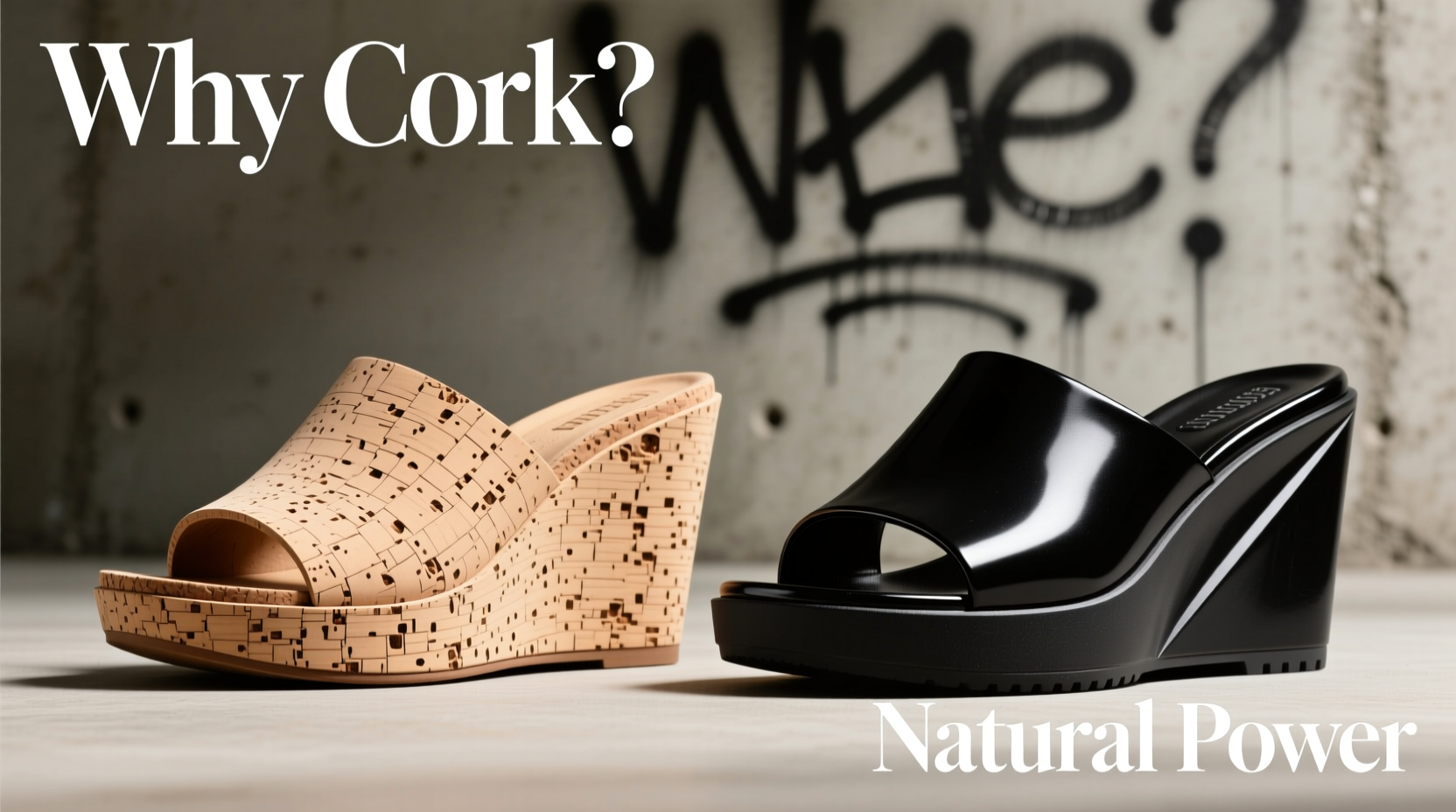
One of the most compelling reasons for the rise of cork lies in its natural ergonomic properties. Unlike rigid rubber, cork is a lightweight, compressible material that molds slightly to the shape of your foot over time. This creates a custom-like fit that enhances long-term comfort—especially important for wedges, which elevate the heel and redistribute body weight across the foot.
Cork’s cellular structure contains millions of tiny air pockets, making it both shock-absorbent and thermally insulating. This means less impact on joints during walking and a more stable feel on uneven surfaces compared to flat rubber soles. Many podiatrists and footwear designers note that properly constructed cork footbeds can reduce fatigue during extended wear.
Sustainability Story: Why Eco-Conscious Consumers Are Choosing Cork
The modern shopper increasingly weighs environmental impact when choosing footwear. Here, cork outperforms rubber in several key areas. Natural cork is harvested from the bark of the cork oak tree (Quercus suber) without cutting down the tree. The bark regenerates every 9–12 years, making it one of the few truly renewable materials used in shoe manufacturing.
Portugal leads global cork production, where strict regulations ensure sustainable harvesting practices. According to the World Wildlife Fund, cork forests in the Mediterranean sequester an estimated 14 million tons of CO₂ annually. In contrast, synthetic rubber relies on petroleum-based chemicals and energy-intensive processing, contributing significantly to carbon emissions and pollution.
“Cork represents a rare win-win: biodegradable, renewable, and high-performing. It’s no surprise it’s gaining traction in eco-fashion.” — Dr. Lena Torres, Sustainable Materials Researcher at Lisbon Polytechnic
Cork vs Rubber: A Detailed Comparison
While both materials serve as sole components, their performance, durability, and care requirements differ substantially. Below is a side-by-side comparison to clarify the trade-offs.
| Feature | Cork Soles | Rubber Soles |
|---|---|---|
| Weight | Lightweight; reduces foot strain | Heavier, especially in thick soles |
| Traction | Moderate; best on dry surfaces | High; excellent grip on wet or slippery terrain |
| Durability | Good with proper care; lasts 2–3 seasons | Excellent; often exceeds 3–5 years |
| Water Resistance | Poor when untreated; vulnerable to swelling | Naturally water-resistant |
| Eco-Impact | Low; biodegradable and renewable | High; derived from non-renewable resources |
| Comfort Break-In | Molds to foot over time | Limited adaptation; remains rigid |
This table illustrates a clear pattern: cork excels in comfort and sustainability but requires more mindful maintenance, especially around moisture. Rubber wins in longevity and weather resistance but lacks the organic appeal and environmental benefits of cork.
Style and Cultural Shift: The Rise of “Quiet Luxury” Footwear
Beyond function, cork aligns perfectly with current fashion movements emphasizing understated elegance and artisanal quality. The textured, earthy appearance of cork complements neutral wardrobes, linen fabrics, and minimalist silhouettes—hallmarks of the “quiet luxury” aesthetic popularized by brands like The Row and Totême.
Unlike glossy, mass-produced rubber sandals, cork wedges often feature hand-finished details, leather straps, and organic asymmetry. These design cues signal intentionality and craftsmanship, appealing to consumers who value authenticity over fast fashion. Social media influencers and celebrities have amplified this narrative, frequently pairing cork sandals with elevated beachwear or urban summer looks.
A Real Example: How One Brand Capitalized on the Trend
In 2021, Barcelona-based brand Soleterra launched a line of cork wedge sandals with recycled leather uppers and hand-stitched detailing. Initially targeting eco-conscious travelers, the brand saw unexpected viral growth after a lifestyle influencer posted a “30 Days of Summer Shoes” series featuring their best-selling Alba model.
Within six months, Soleterra’s revenue tripled, and they expanded distribution to boutiques in Berlin, Los Angeles, and Melbourne. Their success wasn’t just about looks—it was rooted in customer feedback praising the comfort after full-day wear and appreciation for transparent sourcing. “We didn’t set out to start a trend,” said founder Marta Iglesias. “We wanted to make a sandal that felt good to wear and good to buy.”
How to Care for Cork Sandals (And Avoid Common Mistakes)
To get the most out of cork footwear, proper maintenance is essential. While cork is durable, it’s not invincible. Exposure to prolonged moisture, direct heat, or abrasive surfaces can lead to cracking, warping, or discoloration.
- Wipe after wear: Use a dry or slightly damp cloth to remove dust and salt residue, especially after beach or pool use.
- Avoid soaking: Never submerge cork in water or clean with harsh detergents.
- Condition periodically: Apply a beeswax or cork-specific conditioner every 4–6 weeks to maintain suppleness.
- Store properly: Keep in a cool, dry place away from direct sunlight. Use breathable cotton bags, not plastic.
- Rotate usage: Avoid wearing the same pair daily to allow the material to recover its shape.
Checklist: Maintaining Your Cork Wedge Sandals
- ☐ Wipe down after each use
- ☐ Condition every 4–6 weeks
- ☐ Store in a breathable bag
- ☐ Avoid walking in heavy rain
- ☐ Rotate between multiple pairs
- ☐ Replace worn outsoles before structural damage occurs
Frequently Asked Questions
Can cork sandals get wet?
Short exposure to moisture (like a light sprinkle or beach walk) is usually fine, but prolonged soaking can cause cork to swell and degrade. Always dry naturally if they get damp.
Are cork soles suitable for people with flat feet?
Many cork wedges offer moderate arch support due to their molded construction, but those with severe flat feet may benefit from adding orthotic insoles. Look for models with deeper footbeds or built-in arch contouring.
Do cork sandals last as long as rubber ones?
With proper care, cork sandals typically last 2–3 seasons of regular summer wear. While not as long-lasting as rubber, their comfort and environmental benefits often outweigh the shorter lifespan for many users.
Conclusion: More Than a Trend—A Shift in Values
The surge in popularity of cork wedge sandals isn’t just about style—it reflects a broader cultural pivot toward mindful consumption. People aren’t just buying shoes; they’re investing in materials that align with their values: sustainability, comfort, and craftsmanship. While rubber soles remain practical for extreme conditions, cork offers something deeper: a tactile connection to nature and a slower, more intentional way of living.
If you’ve been hesitant to try cork, consider starting with a hybrid design—one that combines a cork footbed with a rubber outsole for better traction. This gives you the best of both worlds: the comfort and warmth of cork with the durability of rubber.




 浙公网安备
33010002000092号
浙公网安备
33010002000092号 浙B2-20120091-4
Comments
No comments yet. Why don't you start the discussion?