
Plaster of Paris is one of the most versatile materials in the DIY world. Lightweight, fast-setting, and easy to mold, it has long been a favorite among crafters, artists, and home decorators. While traditionally used in medical casts or sculpting, its potential extends far beyond those applications. With just a few tools and some imagination, you can transform this simple powder into stunning decorative pieces, functional objects, and personalized gifts. Whether you're a seasoned crafter or just beginning your creative journey, these inventive uses will inspire you to rethink what’s possible with plaster of Paris.
Why Plaster of Paris Works So Well for DIY
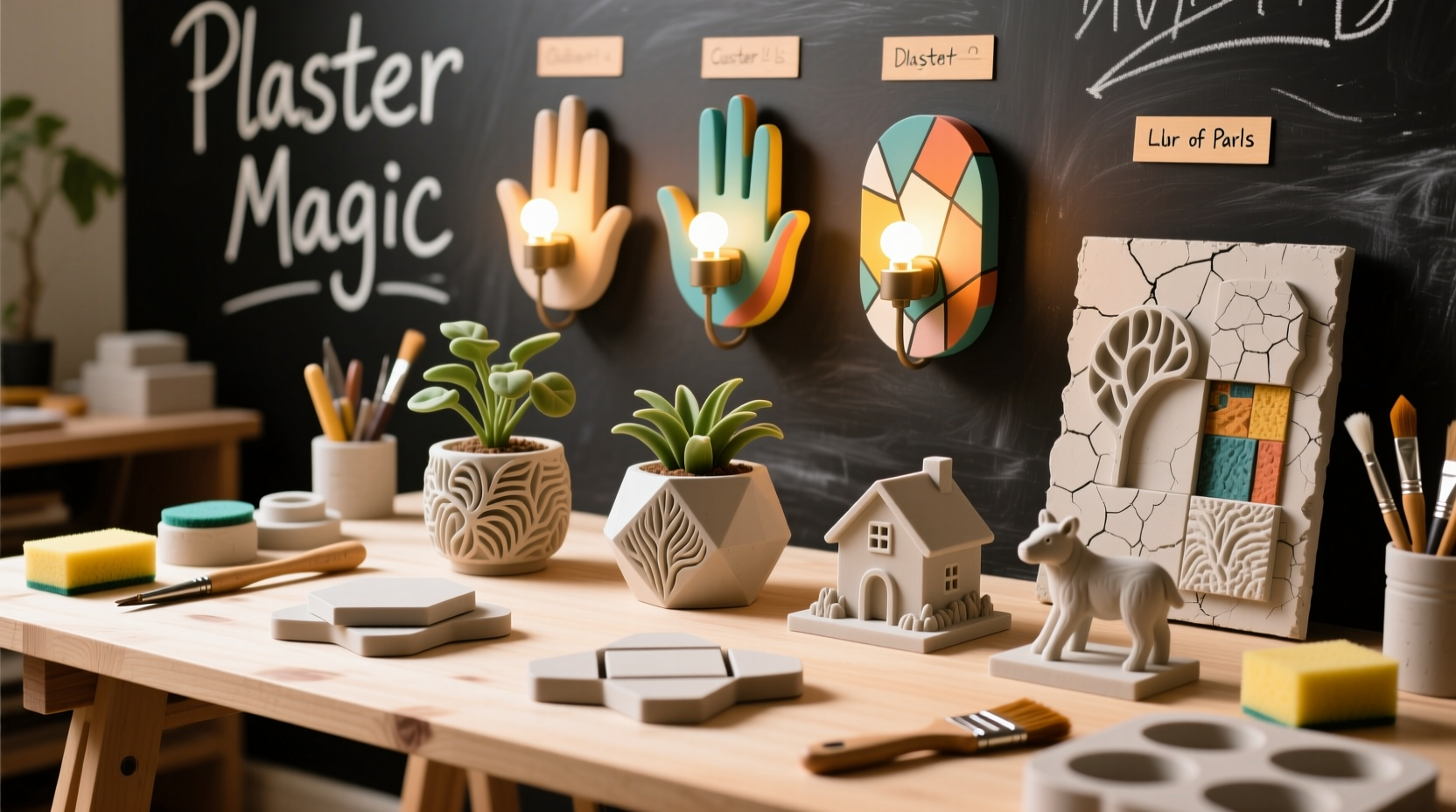
Derived from gypsum, plaster of Paris hardens quickly when mixed with water, making it ideal for molding and casting. It captures fine details beautifully, dries to a smooth finish, and accepts paint and sealants well. Unlike heavier materials like concrete, it’s lightweight and doesn’t require special equipment to work with. These qualities make it perfect for indoor projects, delicate designs, and custom shapes that reflect your personal style.
“Plaster of Paris is the unsung hero of home crafting—affordable, forgiving, and endlessly adaptable.” — Maya Tran, Craft Materials Specialist
1. Create Custom Wall Art and Decorative Panels
One of the most striking uses of plaster of Paris is in creating textured wall art. By pouring the mixture into molds or freehand shaping it on a backing board, you can design geometric patterns, organic textures, or abstract reliefs that add depth and elegance to any room.
To make a minimalist plaster panel:
- Cut a piece of sturdy cardboard or wood to your desired size.
- Apply petroleum jelly or a release agent if using a reusable mold.
- Mix plaster of Paris to a pancake-batter consistency.
- Pour or spread the mixture onto the surface using a palette knife.
- Press in textured objects (lace, leaves, or corrugated cardboard) before it sets.
- Let dry completely (usually 20–30 minutes), then gently remove texture elements.
- Sand edges lightly and seal with matte varnish or chalk paint.
The result is a unique, modern accent piece that costs next to nothing but looks professionally made.
2. Design Personalized Garden Markers
Forget flimsy plastic labels—plaster of Paris makes durable, weather-resistant garden markers that blend naturally into outdoor spaces. They’re especially effective in herb gardens, vegetable beds, or flower borders.
Use silicone ice cube trays or small molds shaped like leaves, stars, or circles. Mix the plaster, pour into molds, and insert a wooden stick or metal rod before it hardens. Once set, press letters or symbols into the surface using alphabet stamps or toothpicks. After drying, apply an outdoor sealant to protect against moisture.
| Feature | Benefit |
|---|---|
| Weather resistance (with sealant) | Lasts through rain and sun exposure |
| Customizable shapes | Fits any garden theme |
| Inexpensive | Costs pennies per marker |
| Eco-friendly | Biodegradable and non-toxic |
3. Make Elegant Candle Holders and Molds
Plaster of Paris can be used to create beautiful candle holders that double as ambient décor. Its porous nature allows for subtle light diffusion, giving off a soft, warm glow.
Start by selecting a glass jar, tumbler, or even a silicone mold. Coat the inside with a mold release spray or vegetable oil. Carefully pour in a thin layer of mixed plaster, rotating the container to ensure even coverage. Let it set for at least 30 minutes, then peel away the outer mold. Sand rough edges and drill a small hole at the base if needed for wick anchoring.
You can also use plaster to make reusable candle molds. For example, press a real seashell into a thick slab of plaster, let it cure, then remove the shell. This negative imprint becomes a perfect mold for future candles.
4. Craft Custom Jewelry and Keepsakes
Small plaster casts make thoughtful, sentimental jewelry. Use handprint or footprint molds from children, pets, or loved ones to create pendants, keychains, or earrings.
Here’s how to make a keepsake pendant:
- Roll out a thin slab of mixed plaster between two sheets of wax paper.
- Press a fingertip, small hand, or leaf into the surface.
- Use a straw to punch a hole at the top for threading.
- Allow full curing (at least 1 hour).
- Sand gently and paint with metallic or pastel acrylics.
- Seal with clear epoxy resin for durability and shine.
These pieces carry emotional value and make heartfelt gifts for birthdays, Mother’s Day, or anniversaries.
Mini Case Study: A Teacher’s Classroom Project
Jessica, a third-grade teacher in Portland, wanted a meaningful end-of-year gift for her students. She had each child press their hand into a small plaster disc during art class. Over the weekend, she painted them in bright colors, added the student’s name and year, and attached ribbons. Parents raved about the personal touch, and many framed the pieces. “It cost less than $2 per student,” Jessica said, “but felt priceless.”
5. Restore and Repurpose Old Furniture
Plaster of Paris isn’t just for new creations—it’s excellent for repairing antique or damaged furniture. Chipped cornices, broken finials, or missing ornamental details on picture frames or dressers can be recreated using simple molding techniques.
For small repairs:
- Clean the damaged area thoroughly.
- Mix plaster to a thick paste and pack it into the gap.
- Sculpt details with dental tools or toothpicks while still wet.
- Once dry, sand smooth and paint to match.
This method preserves the character of vintage pieces without requiring replacement parts.
Checklist: Getting Started with Plaster of Paris
- Work in a ventilated space
- Wear gloves and a dust mask
- Have mixing containers and stirring sticks ready
- Choose appropriate molds (silicone, plastic, or handmade)
- Keep water nearby for quick cleanup
- Prep surfaces with mold release if needed
- Allow adequate drying time (minimum 20 minutes, up to 24 hours for thick pieces)
Common Mistakes to Avoid
Even experienced crafters can run into issues when working with plaster. Here are the most frequent pitfalls and how to prevent them:
| Mistake | Consequence | How to Avoid |
|---|---|---|
| Adding too much water | Weak, crumbly final product | Mix to a thick, creamy consistency |
| Pouring into unsealed molds | Difficult removal, surface damage | Always use mold release |
| Disturbing during setting | Cracks or structural flaws | Leave undisturbed for first 30 minutes |
| Skipping sealing | Stains, moisture damage | Apply clear sealant after painting |
FAQ
Can I reuse plaster of Paris once it’s hardened?
No, plaster of Paris undergoes a chemical change when it sets and cannot be reconstituted. However, leftover dry powder can be stored in an airtight container for future use.
Is plaster of Paris safe for kids to use?
Yes, but supervision is recommended. The dry powder can irritate lungs, so younger children should avoid mixing. Pre-mixed portions and ready-made molds reduce risks.
How do I make my plaster project more durable?
Apply multiple coats of clear sealant, especially for items exposed to moisture or handling. Epoxy resin offers the strongest protection for high-touch pieces.
Conclusion
Plaster of Paris is far more than a basic craft supply—it’s a gateway to innovation, customization, and artistic expression. From elegant wall panels to sentimental keepsakes, the only limit is your imagination. These projects prove that beauty and functionality can emerge from humble materials when guided by creativity and care. With minimal investment and a few simple tools, you can elevate your home, garden, or gifting game in surprising ways.




 浙公网安备
33010002000092号
浙公网安备
33010002000092号 浙B2-20120091-4
Comments
No comments yet. Why don't you start the discussion?