
Transform your living space with a personal touch by designing your own cartoon print throw pillow cases. Whether you're a fan of classic animation, modern anime, or whimsical characters, creating custom pillow covers is an accessible way to express your style. This guide walks beginners through the entire process—from choosing materials to stitching the final seam—ensuring that even those with minimal sewing experience can complete a polished, durable project.
Gathering Your Materials and Tools
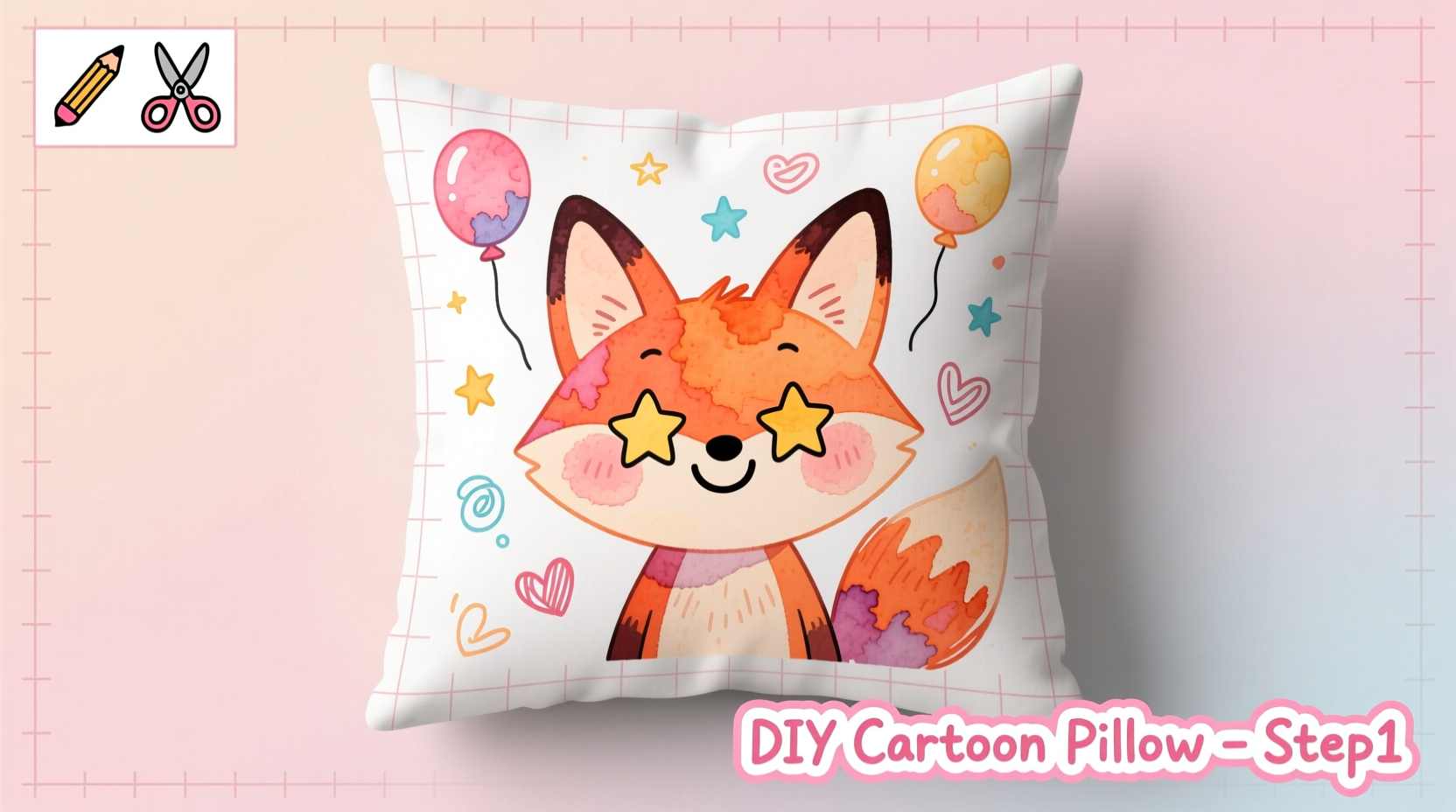
Before starting any craft project, preparation is key. Having the right supplies on hand prevents interruptions and ensures smoother execution. For this DIY pillow case project, you’ll need both fabric and embellishment components, as well as basic sewing tools.
- Cotton or cotton-blend fabric (½ yard should suffice for one 16x16 inch pillow)
- Fusible webbing or fabric transfer paper (for cartoon image transfer)
- Printer (inkjet recommended for transfers)
- Scissors or rotary cutter
- Sewing machine with matching thread
- Pins or fabric clips
- Iron and ironing board
- Ruler or measuring tape
- Optional: fabric markers or paints for additional detailing
Select a lightweight cotton fabric for ease of printing and sewing. Avoid stretchy or synthetic blends if you're new to sewing—they can shift during stitching and complicate alignment.
Choosing and Preparing Your Cartoon Design
The charm of a cartoon print pillow lies in the image. Choose a character or scene that resonates with your personality or room theme. Popular choices include vintage Disney, Studio Ghibli, Looney Tunes, or even comic strips. Ensure the image is high-resolution (at least 300 DPI) to maintain clarity when printed or transferred.
- Find or create your image: Use royalty-free sources like public domain archives or licensed digital art platforms. Avoid copyrighted material if you plan to sell the finished product.
- Resize the image: Adjust it to fit within a 12x12 inch area, leaving space around the edges for seams and framing.
- Print using transfer method: Print the image in reverse (mirror mode) if using iron-on transfer paper. Follow manufacturer instructions carefully for best results.
Once printed, cut out the image precisely along its borders. A clean edge ensures professional-looking results when applied to the fabric.
Transferring the Image to Fabric
This stage brings your cartoon to life on the pillow front. Accuracy and patience are essential to avoid smudging or misalignment.
| Transfer Method | Best For | Pros | Cons |
|---|---|---|---|
| Iron-on Transfer Paper | Home printers, detailed images | High detail, no special equipment | Can feel stiff; may crack over time |
| Fusible Webbing + Inkjet Printing | Bright colors, soft texture | Flexible finish, washable | Requires printer access and precision |
| Hand Drawing with Fabric Markers | Simple sketches, children’s rooms | Customizable, kid-friendly | Limited detail, less durable |
To apply iron-on transfer paper:
- Place the printed side of the transfer face-down on the fabric.
- Use a dry iron (no steam) at medium-high heat.
- Press firmly for 20–30 seconds per section, moving across the image to ensure full contact.
- Peel the backing paper while warm (unless specified otherwise).
If using fusible webbing, adhere the printed paper side to the fabric using heat, then soak away the paper backing with water—revealing a smooth, integrated image.
“Image durability starts with proper bonding. Always allow transferred designs to cool completely before handling.” — Lena Ruiz, Textile Artist & Educator
Constructing the Pillow Case: Step-by-Step Assembly
With your printed fabric ready, it's time to assemble the pillow cover. This envelope-style closure allows easy removal for washing and doesn’t require a zipper—ideal for beginners.
Step 1: Cut the Fabric
Cut two rectangles: one measuring 16x16 inches (front panel), and two pieces approximately 16x10 inches each (back panels that overlap). The front panel holds the cartoon image.
Step 2: Prepare the Back Panels
On the wrong side of each back piece, fold one long edge inward by ½ inch and press with an iron. Fold again another ½ inch to encase the raw edge, then pin in place. Stitch along the inner folded edge to create a clean hem. Repeat for the second back piece.
Step 3: Position and Pin All Panels
Lay the front panel face-up. Place the two back panels face-down on top, overlapping their hems so they cover most of the back but leave enough gap to insert the pillow form. Align all edges and pin securely around the perimeter.
Step 4: Sew the Seam
Using a ½-inch seam allowance, stitch around all four sides. Reinforce corners with backstitching. Trim excess fabric from corners diagonally to reduce bulk when turned right-side out.
Step 5: Finish and Insert Pillow Form
Turn the case right-side out through the envelope opening. Use a blunt tool (like a chopstick) to gently push out corners for crisp edges. Press flat with an iron. Slide in a standard 16x16 inch pillow insert.
Real-Life Example: Maya’s Anime-Themed Living Room Makeover
Maya, a college student and anime enthusiast, wanted to personalize her dorm room without breaking her budget. She selected a favorite still from *Spirited Away*, resized it to fit a square format, and used inkjet transfer paper to print it onto white cotton fabric. After applying the image with an iron, she followed the envelope-back construction method described above. The entire project took under three hours, including drying time. Once completed, she made two more matching pillows using different scenes. Her friends were impressed by the professional appearance, and Maya found the process so enjoyable she started a small side business making custom pillow cases for classmates.
Frequently Asked Questions
Can I wash my cartoon print pillow case?
Yes, but with care. Turn it inside out and machine wash on cold using a gentle cycle. Air dry or tumble dry on low to preserve the print. Avoid bleach and harsh detergents.
What if I don’t have a sewing machine?
You can hand-sew the pillow using a backstitch for strength. It will take longer, but the result is just as functional. Use thick thread and knot ends securely.
Are there copyright concerns with using cartoon images?
Yes. While personal use is generally acceptable, reproducing copyrighted characters for resale may violate intellectual property laws. Stick to public domain art, original illustrations, or obtain proper licensing for commercial projects.
Checklist: DIY Cartoon Pillow Case Success
- ☐ Choose a high-resolution, legally usable cartoon image
- ☐ Print image in reverse (if using transfer paper)
- ☐ Pre-wash and iron fabric before cutting
- ☐ Transfer image carefully with proper heat and pressure
- ☐ Cut front and back panels accurately
- ☐ Hem the back overlap pieces neatly
- ☐ Pin layers together securely before sewing
- ☐ Sew with consistent seam allowance and reinforce corners
- ☐ Trim corner bulk and turn right-side out carefully
- ☐ Insert pillow form and enjoy your creation!
Final Thoughts and Creative Encouragement
Creating a DIY cartoon print throw pillow case isn’t just about decoration—it’s about storytelling through design. Each pillow becomes a canvas for nostalgia, humor, or inspiration. With basic tools and a bit of patience, anyone can make something truly unique. Don’t be afraid to experiment with colors, fonts, or mixed media. Try layering fabric paint over transfers or adding embroidered details around the border.




 浙公网安备
33010002000092号
浙公网安备
33010002000092号 浙B2-20120091-4
Comments
No comments yet. Why don't you start the discussion?