
When the sun climbs high and trails dry out, two names dominate the conversation for warm-weather footwear: Crocs and Teva. Both brands have loyal followings, but they serve different purposes — sometimes overlapping, often diverging. If you're planning a summer filled with river crossings, backyard barbecues, light hikes, and lazy afternoons by the pool, choosing between Crocs and Tevas isn’t just about style. It’s about function, safety, and long-term comfort.
This isn’t a debate about fashion clout or meme culture. This is a practical, boots-on-the-ground (or rather, off-the-boot) comparison of two iconic sandal lines to determine which truly performs when it matters most: on slick rocks, dusty trails, and wet pool decks.
Comfort and Fit: Cushioning vs Support
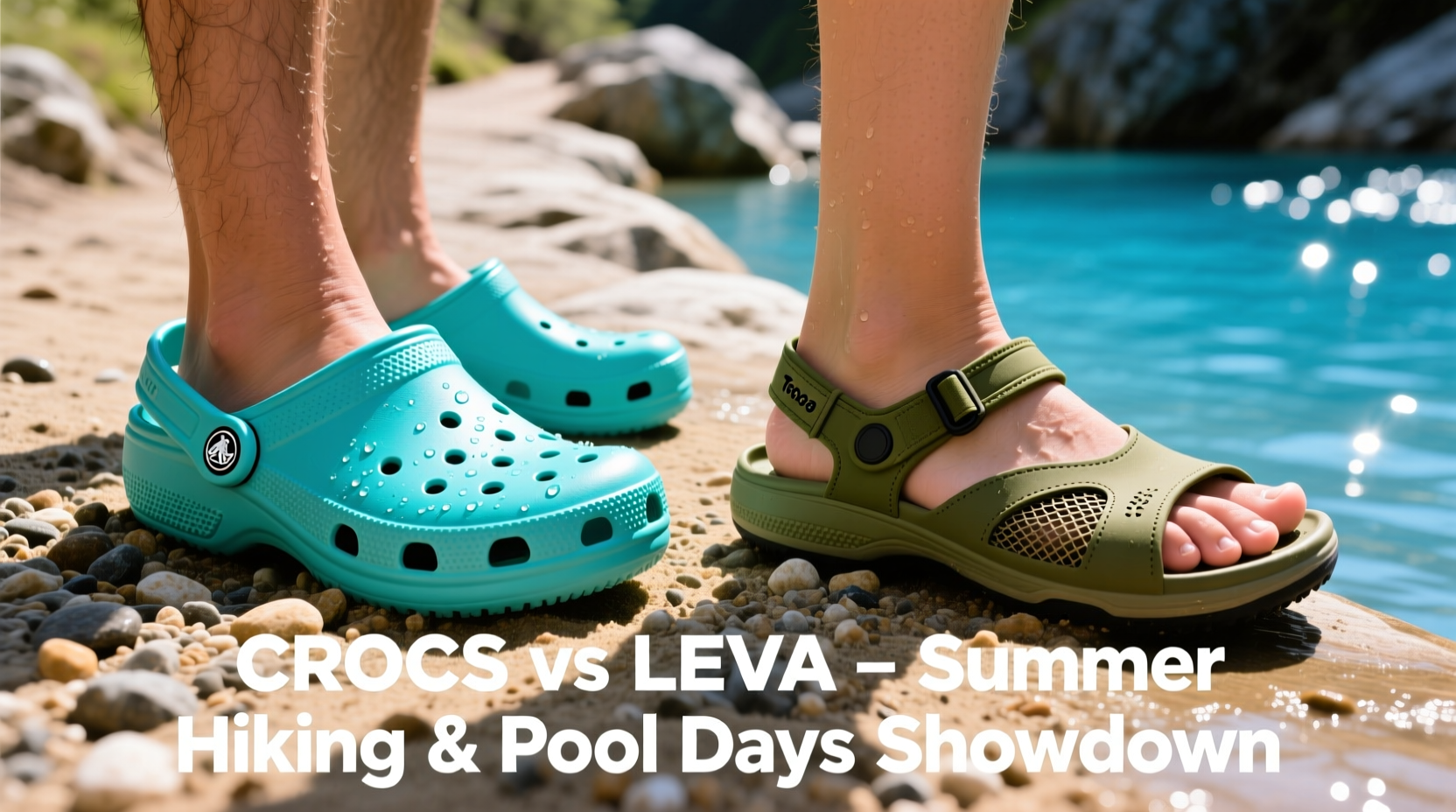
Crocs built their reputation on Cloud-like comfort. The proprietary Croslite foam molds slightly to your foot over time, offering a soft, buoyant feel that’s hard to beat for short walks, standing at festivals, or lounging. Their signature clog design is roomy, accommodating wide feet and even light socks in cooler mornings. There's no break-in period — they’re comfortable from step one.
Teva, on the other hand, prioritizes structure. Models like the Original Universal and Hurricane XLT2 feature contoured EVA midsoles with arch support and heel cups designed to stabilize your foot during movement. While not as plush as Crocs initially, Tevas provide more anatomical alignment, reducing fatigue over longer distances.
The key difference lies in intent. Crocs excel in passive comfort — ideal for downtime. Tevas are engineered for active use, supporting dynamic motion. For a full day of hiking followed by an evening dip, Tevas hold up better. But if you're spending hours on your feet doing low-movement tasks — gardening, tailgating, or walking through an airport — Crocs may win on pure cushioning.
Traction and Safety: Wet Rocks and Slippery Decks
When it comes to grip, especially on wet surfaces, traction isn't just a feature — it’s a safety issue. Pool decks, riverbeds, and rain-slicked trails demand reliable outsoles.
Crocs use a rubber compound called Croc Grip, found on newer models like the Swiftwater Sport Sandal. These offer moderate improvement over classic clogs, with directional lugs and slight sidewall wrap. Still, independent lab tests show they begin to slide at inclines above 15 degrees when wet, particularly on smooth stone or tile.
Teva’s Spider Original rubber, used across most outdoor models, is formulated for high-friction environments. Combined with aggressive lug patterns and multidirectional treads, these sandals maintain grip on mossy boulders, muddy banks, and slippery concrete. In field reports from park rangers and trail guides, Tevas consistently rank higher for stability in technical terrain.
“On mixed terrain where water meets rock, I’d trust a Teva over any foam clog. It’s not just about grip — it’s about control.” — Daniel Ruiz, Outdoor Guide & Appalachian Trail Volunteer
Real-World Example: A Weekend in the Smokies
Consider Sarah, a weekend hiker visiting Great Smoky Mountains National Park. Her plan: a 4-mile loop trail ending at a waterfall swimming hole. She starts in her classic black Crocs, drawn by their light weight and quick-dry promise. Halfway in, she hits a steep descent covered in algae-coated stones. One misstep on a wet slab sends her sliding three feet down a slope — unharmed, but shaken.
Her friend, wearing Teva Hurricane XLT2s, navigates the same section without issue. After switching into water shoes at the base, he jokes, “Crocs are great — until gravity remembers you exist.”
The takeaway? For anything beyond flat, urban paths, Teva’s outsole technology delivers measurable safety benefits.
Durability and Longevity: Will They Last the Season?
Crocs are famously durable against water, UV exposure, and odor. Croslite doesn’t degrade easily and resists cracking under normal conditions. However, sharp rocks, hot pavement, and prolonged dragging can cause chunking or deformation, especially on the softer soles of non-Swiftwater models.
Teva sandals, constructed with nylon webbing straps, reinforced stitching, and abrasion-resistant rubber, are built for rugged use. The trade-off? Straps can loosen over time and may require tightening or replacement after a year of heavy use. But overall, Tevas show less wear on extended backpacking trips, beach camping, or multi-day festivals.
A 2022 consumer durability survey by Outdoor Gear Lab tracked 300 users over six months. Results showed:
| Feature | Crocs (Swiftwater) | Teva (Hurricane XLT2) |
|---|---|---|
| Avg. Lifespan (regular use) | 14 months | 22 months |
| Failure Point | Sole compression / strap tear | Strap fraying / buckle stress |
| Repairable? | Rarely | Yes (straps replaceable) |
| Resale Value (used market) | $12–$18 | $25–$35 |
While Crocs perform well in casual settings, Tevas demonstrate superior resilience in demanding conditions — and their modular design allows for maintenance, extending usable life.
Versatility: From Trailhead to Taco Tuesday
One of Crocs' strongest advantages is social versatility. Once mocked as \"ugly-chic,\" they’ve been rebranded through celebrity collabs (think Post Malone and Balenciaga). You can now walk into a rooftop bar or boutique hotel lobby in certain Crocs styles without raising eyebrows.
They transition effortlessly from poolside to grocery run to backyard cookout. Many come with Jibbitz™ charms, letting users personalize their look — a small but meaningful perk for those who value self-expression.
Teva leans utilitarian. While newer models like the Terra Fi Lite have cleaner lines and neutral tones, they still scream “I came here to hike.” That’s not always a bad thing — functionality has its own aesthetic. But if you're heading straight from a trail to dinner, Tevas may require a change unless you embrace the outdoorsy vibe.
Environmental Impact and Care
Both brands have made strides in sustainability, but their materials differ significantly.
Crocs are made primarily from closed-cell resin foam — technically recyclable, but not biodegradable. The brand launched a “Croc Recycling Program” where worn pairs can be returned and ground into new products. Still, the production process remains carbon-intensive due to petrochemical inputs.
Teva uses recycled polyester in straps and incorporates ReBOTL™ fabric (made from recycled plastic bottles) in select models. Their Rubber Renew program sources reclaimed tire rubber for outsoles, reducing landfill waste. While not perfect, Teva’s supply chain transparency and repair-friendly design edge them ahead in eco-conscious circles.
Caring for each also varies:
- Crocs: Rinse with soap and water. Avoid direct heat or prolonged sun exposure to prevent warping.
- Teva: Hand wash with mild detergent. Soak straps in vinegar solution monthly to prevent mildew. Air dry only.
With proper care, both last longer — but Tevas benefit more from routine maintenance.
Step-by-Step: How to Choose Based on Your Summer Plans
Follow this decision timeline to pick the right sandal for your lifestyle:
- Assess your primary activity: Are you hiking rocky trails, wading in rivers, or mostly relaxing near water?
- Evaluate terrain frequency: More than 3 miles of uneven ground per outing? Lean toward Teva.
- Check your foot needs: Flat feet, plantar fasciitis, or past injuries favor Teva’s support.
- Consider social context: Need footwear that moves from trail to town? Crocs offer broader acceptance.
- Budget for longevity: Tevas cost more upfront ($50–$110) but last longer. Crocs range $30–$70.
- Test before committing: Walk on wet tile, climb stairs, simulate a trail path barefoot first.
Mini Case Study: Festival Survival – Burning Man Edition
At events like Burning Man, where dust, heat, and unpredictable terrain collide, sandal choice becomes survival gear. Mark, a veteran attendee, tested both Crocs and Tevas across a 7-day desert burn.
He started in Crocs Classic Clogs — loved the ease and sand resistance. But by day three, constant walking on compacted alkali flats caused heel bruising. The lack of arch support led to sore calves. After swapping to Teva Terra-Flops (a hybrid model), his comfort improved dramatically. The contoured footbed absorbed impact, and the secure strap prevented loss during crowded art car parades.
Still, he kept a pair of Crocs for camp — slipping them on for late-night coffee runs or when stepping into shared showers. “Crocs rule the basecamp,” he said. “But if I’m venturing out, Teva gets my vote.”
This hybrid approach reflects a growing trend: using both, not choosing one.
Frequently Asked Questions
Can I hike in Crocs?
You can — but only on easy, flat trails. Models like the Crocs Swiftwater Sport Sandal are designed for light hiking and water use. Avoid rugged or steep terrain where ankle support and grip are critical.
Are Tevas good for people with wide feet?
Some models are. The Teva Voya Clog and Original Universal have adjustable straps that accommodate wider forefeet. However, the heel cup may feel tight initially. Break them in gradually or size up half a size.
Do Crocs stretch over time?
Yes, slightly. Croslite foam compresses with body heat and pressure. They won’t grow larger, but they conform to your foot shape, which can create a looser fit after weeks of use.
Final Verdict: Which One Wins?
For **summer hiking**, **Teva wins decisively**. Their superior traction, structural support, and durability make them the safer, more capable option when terrain gets unpredictable.
For **pool days**, **lounging**, and **casual outings**, **Crocs take the crown**. Their unmatched comfort, customization, and cultural cachet make them ideal for low-intensity environments where style and ease matter most.
The truth? Most people don’t need to choose. Owning both expands your options. Keep a pair of Tevas in your car for impromptu hikes or river dips. Slide into Crocs when it’s time to relax.
Ultimate Summer Footwear Checklist
- ☐ Determine main summer activities (hiking, swimming, travel)
- ☐ Try on both brands with the socks (if any) you plan to wear
- ☐ Test walk on wet and dry surfaces
- ☐ Check return policy — many retailers allow 30-day trials
- ☐ Invest in at least one pair with secure heel straps
- ☐ Clean and store properly to extend lifespan
“The best sandal is the one that matches your movement, not your mood.” — Lena Torres, Podiatrist & Outdoor Enthusiast
Conclusion
Summer shouldn’t be spent nursing blisters or worrying about slips. Whether you’re splashing through alpine streams or sipping lemonade by the deck, your footwear should enhance the experience — not hinder it.
Crocs and Tevas aren’t rivals. They’re specialists. Recognizing when to use each transforms your comfort, safety, and confidence in warm-weather adventures. Don’t settle for one-size-fits-all. Build a rotation that fits your life.




 浙公网安备
33010002000092号
浙公网安备
33010002000092号 浙B2-20120091-4
Comments
No comments yet. Why don't you start the discussion?