
Choosing between a crossbody bag and a backpack for everyday use isn’t just about style—it’s a decision that affects your posture, comfort, accessibility, and even safety throughout the day. Whether you're commuting, running errands, or navigating a busy urban environment, the right bag can make a noticeable difference in how efficiently and comfortably you move through your routine. While both styles have loyal followings, determining which is actually more convenient depends on several practical factors: ergonomics, storage needs, security, weather conditions, and personal habits.
Ergonomics and Physical Comfort
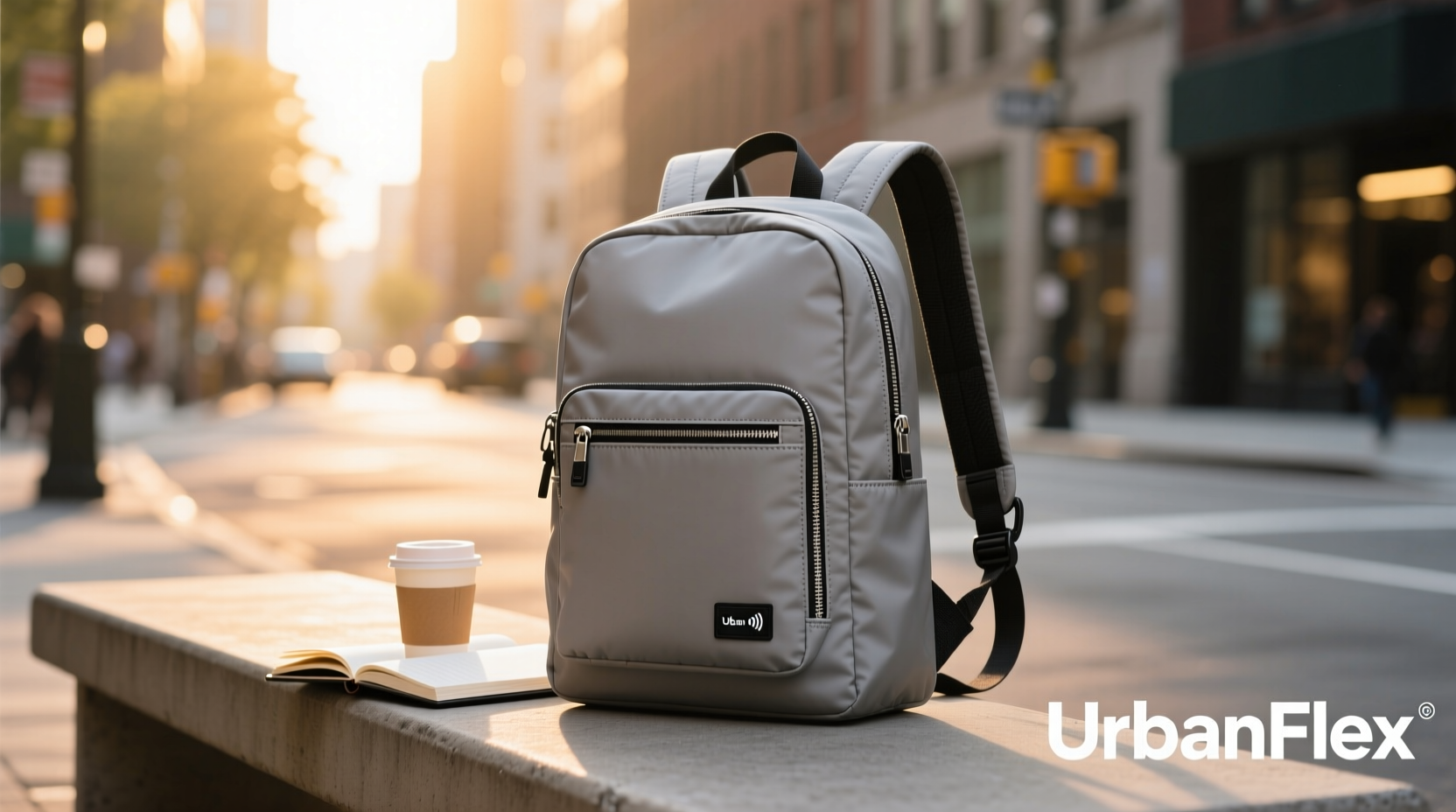
One of the most overlooked aspects of daily bag selection is how it impacts your body over time. A poorly distributed load can lead to shoulder strain, neck pain, or poor posture—especially if carried for hours at a time.
Crossbody bags typically rest diagonally across the torso, shifting weight to one shoulder and hip. This design may seem balanced initially, but prolonged use often leads to uneven muscle fatigue. The single strap forces one side of the body to bear the full load, potentially causing postural imbalances over weeks or months of regular use.
In contrast, backpacks distribute weight evenly across both shoulders and, when properly adjusted, transfer much of the load to the hips via padded waist straps (on higher-end models). This symmetrical support aligns better with natural spinal alignment, reducing strain during extended wear. According to Dr. Lena Torres, a physical therapist specializing in ergonomic wellness:
“Backpacks, when worn correctly with both straps over the shoulders, promote balanced posture and reduce musculoskeletal stress. Crossbodies, while stylish, are biomechanically less efficient for all-day carry.”
Capacity and Practicality
What you carry every day plays a decisive role in choosing the right bag. Consider what essentials you need: phone, wallet, keys, laptop, water bottle, jacket, lunch container, notebook, or gym clothes?
Crossbody bags are generally compact. Their slim profile enhances mobility and reduces bulk, making them ideal for minimalist commuters or those who only carry the basics. However, their limited interior space often means sacrificing organization. Most lack dedicated compartments, leading to cluttered interiors where items like pens or chargers rattle around unnoticed until needed.
Backpacks offer significantly greater volume and structure. Even slim, urban-friendly models provide multiple pockets, padded laptop sleeves, and zippered sections that keep contents organized and protected. For students, remote workers, or parents managing baby supplies, this organizational advantage is invaluable.
To illustrate the differences clearly:
| Feature | Crossbody Bag | Backpack |
|---|---|---|
| Average Capacity | 5–8 liters | 15–30 liters |
| Laptop Compatibility | Rare (only larger models) | Standard (up to 15\") |
| Weight Distribution | Uneven (single shoulder) | Even (dual straps + optional hip belt) |
| Pocket Organization | Limited (1–2 main zones) | High (multiple internal/external pockets) |
| Access Speed | Fast (front-facing access) | Moderate (zipper movement required) |
Security and Theft Prevention
In crowded areas—public transit, festivals, tourist spots—theft risk increases. How easily can someone unzip your bag without you noticing?
Crossbody bags score well here due to their front-carry design. When worn across the chest with the bag in front of the body, the zipper faces inward, remaining visible and within reach of your hands. This positioning deters opportunistic pickpockets who rely on stealthy rear access.
However, convenience comes with a caveat: many crossbodies have thin straps vulnerable to slash-and-grab thefts. In high-risk environments, reinforced anti-theft straps or cut-resistant materials become essential upgrades.
Backpacks, especially when worn on the back, are inherently more exposed. But modern anti-theft backpacks address this with lockable zippers, RFID-blocking pockets, and slash-proof fabrics. Some models even include built-in alarms or motion sensors. Travel experts recommend wearing backpacks on the front in risky areas—a compromise that sacrifices some comfort for enhanced vigilance.
Real-Life Scenario: Urban Commuter Comparison
Take Maya, a graphic designer living in downtown Chicago. She walks 30 minutes to work each morning, carries a 13-inch laptop, sketchbook, lunch, and reusable water bottle, and frequently uses public transit. Initially drawn to the sleek look of a leather crossbody, she found herself constantly adjusting the strap, struggling to fit her gear, and feeling fatigued by midday.
After switching to a lightweight, water-resistant backpack with a ventilated back panel and quick-access phone pocket, her commute improved dramatically. Her belongings stayed dry in rain, her back felt less strained, and she could quickly retrieve her transit card without removing the pack.
Meanwhile, her friend David, a sales consultant who visits clients in casual settings, prefers a minimalist crossbody. He only carries his phone, wallet, and earbuds. For him, the ease of slinging it over his shoulder and stepping out the door outweighs the need for extra space. The crossbody also looks more polished than a bulky backpack in client-facing situations.
Their experiences highlight a key truth: convenience is contextual. There's no universal \"best\"—only what works best for your daily demands.
Step-by-Step: Choosing Your Ideal Everyday Bag
Follow this process to determine whether a crossbody or backpack suits your lifestyle better:
- Inventory your daily carry items. List everything you bring regularly. If it exceeds six small-to-medium objects, lean toward a backpack.
- Assess your commute. Long walks, stairs, or bike rides favor backpacks. Short drives or elevator buildings may allow crossbody use.
- Evaluate posture and health. If you have existing back, neck, or shoulder issues, opt for even weight distribution—a backpack with padding and sternum support.
- Consider security needs. Frequent travel or crowded commutes benefit from anti-theft features, available in both styles but more advanced in premium backpacks.
- Test real-world comfort. Try both types for three days each. Note discomfort, access speed, and how often you wish for more space.
Frequently Asked Questions
Can I use a crossbody bag for work?
Yes—if your job doesn’t require carrying heavy equipment or documents. Professionals in creative fields, sales, or flexible offices often use stylish crossbodies successfully. Just ensure it fits your essentials securely and complements your dress code.
Are backpacks unprofessional?
Not anymore. Sleek, minimalist backpacks in neutral tones (black, navy, gray) are widely accepted in corporate, tech, and hybrid workplaces. Avoid bright colors or sporty designs if appearance matters in your field.
Which is better for traveling short distances?
For short trips involving walking or transit, crossbodies offer quick access and agility. But if you’re carrying a camera, guidebook, or shopping purchases, a compact backpack provides better balance and capacity.
Final Recommendation: Prioritize Function Over Fashion
While aesthetics matter, long-term convenience hinges on functionality. For most people with moderate to high carrying needs, the backpack emerges as the more practical choice. It supports better posture, holds more gear, and adapts to changing conditions—from rainy mornings to unexpected errands.
That said, the crossbody remains unmatched for light-duty use, quick outings, or fashion-forward contexts where minimalism is key. Its charm lies in simplicity and elegance, not utility.
The smart approach? Own both. Keep a durable, ergonomic backpack as your primary everyday carrier for reliability and comfort. Pair it with a compact crossbody for evenings out, coffee runs, or days when you truly travel light.




 浙公网安备
33010002000092号
浙公网安备
33010002000092号 浙B2-20120091-4
Comments
No comments yet. Why don't you start the discussion?