
Fantasy literature transcends time. It invites readers into realms where magic pulses through ancient forests, empires rise and fall on the edge of prophecy, and ordinary individuals discover extraordinary destinies. Unlike fleeting trends, the best fantasy books endure across generations, offering not just escape, but insight into courage, identity, and the human condition. Whether you're new to the genre or seeking to deepen your journey, selecting timeless works ensures a rich, lasting literary experience.
The Foundations of Enduring Fantasy
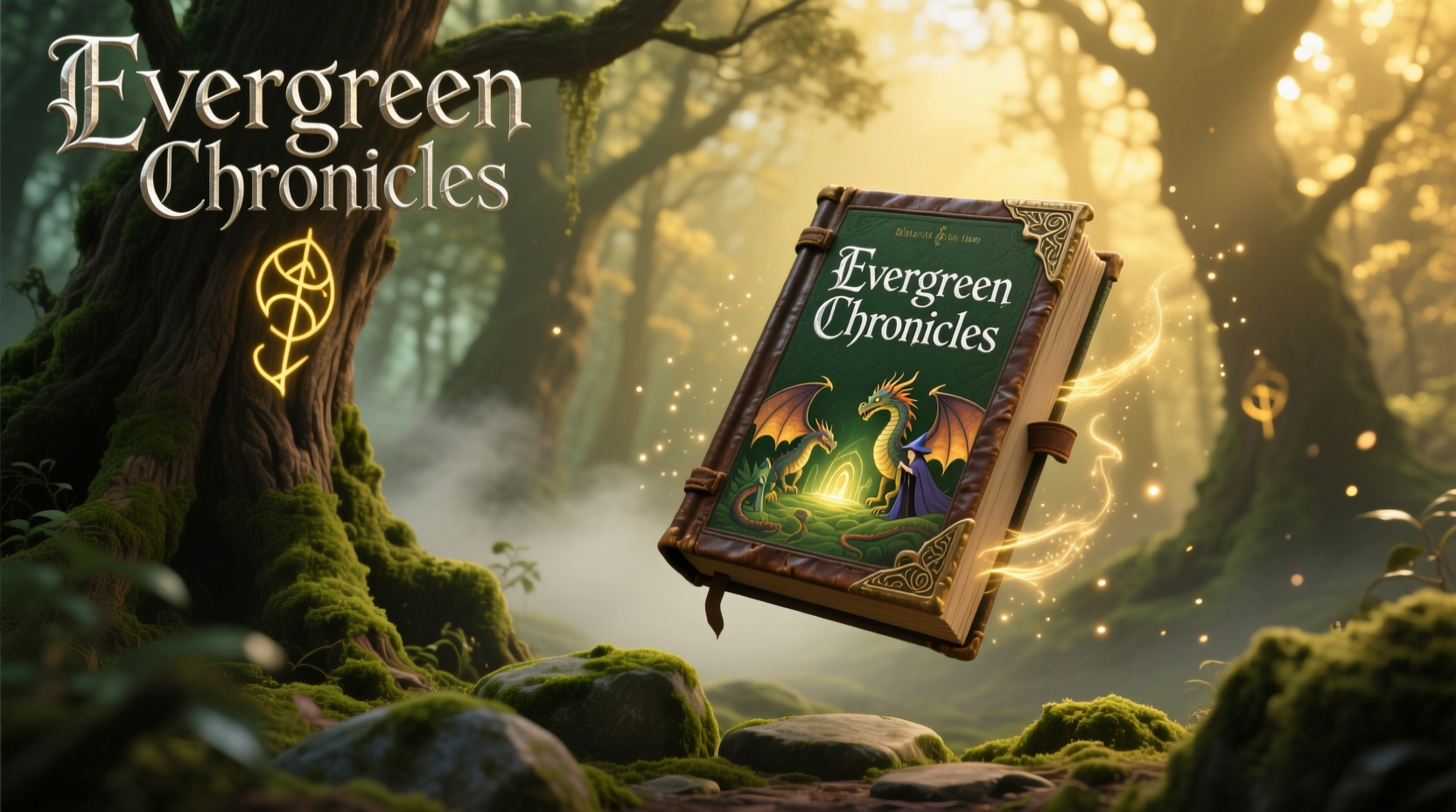
What makes a fantasy novel stand the test of time? Beyond intricate world-building and compelling plots, the most memorable stories explore universal themes—loss, sacrifice, power, redemption—through imaginative lenses. They create rules within their magic systems, develop cultures with depth, and populate their worlds with characters who grow, falter, and inspire.
Classic authors like J.R.R. Tolkien and Ursula K. Le Guin established blueprints for modern fantasy by grounding mythic narratives in emotional truth. Their works didn’t merely entertain; they redefined what speculative fiction could achieve. Today’s standout authors build on this legacy, blending innovation with tradition to craft sagas that feel both fresh and familiar.
Timeless Series That Define the Genre
A truly great fantasy series offers more than plot arcs—it builds immersive worlds that linger long after the final page. These five series have shaped reader expectations and influenced countless writers:
- The Lord of the Rings by J.R.R. Tolkien – A cornerstone of high fantasy, its detailed mythology, linguistic depth, and moral complexity set a benchmark few have matched.
- A Song of Ice and Fire by George R.R. Martin – Known for subverting tropes, this politically charged saga blends realism with dark magic, offering a gritty vision of power and survival.
- The Earthsea Cycle by Ursula K. Le Guin – Philosophical and introspective, these novels explore balance, identity, and the cost of mastery in a world governed by language-based magic.
- The Kingkiller Chronicle by Patrick Rothfuss – With lyrical prose and a deeply personal narrative voice, this unfinished yet beloved trilogy centers on genius, trauma, and storytelling itself.
- Mistborn Trilogy by Brandon Sanderson – Celebrated for its inventive magic system (Allomancy) and tightly plotted heists-with-a-cosmic-stakes twist, it exemplifies modern structural precision in fantasy.
Why These Series Last
Each of these works contributes something unique: Tolkien’s mythopoeia, Martin’s political realism, Le Guin’s psychological depth, Rothfuss’s narrative elegance, and Sanderson’s systematic creativity. Together, they represent the spectrum of what fantasy can accomplish when ambition meets artistry.
“Fantasy is true, of course. It isn’t factual, but it’s true. Children know that.” — Lloyd Alexander, author of *The Chronicles of Prydain*
Hidden Gems and Modern Masterpieces
Beyond household names, a wealth of underappreciated or recently acclaimed titles offer equally powerful experiences. These books may not dominate bestseller lists permanently, but they resonate deeply with those who find them.
- The Priory of the Orange Tree by Samantha Shannon – A standalone epic blending feminist retellings, dragon lore, and global politics across a matriarchal society.
- An Unkindness of Ghosts by Rivers Solomon – Though often classified as sci-fi, its allegorical depth and exploration of oppression align closely with speculative fantasy traditions.
- The Golem and the Jinni by Helene Wecker – A historical fantasy set in 1899 New York, weaving Jewish and Arab folklore into a tale of loneliness and connection.
- Uprooted and Spinning Silver by Naomi Novik – Inspired by Eastern European folktales, these novels blend danger, romance, and moral ambiguity with poetic clarity.
- The Green Bone Saga by Fonda Lee – While rooted in organized crime, its magical elements and clan-based society make it a groundbreaking addition to urban fantasy.
Building a Diverse Reading List
To fully appreciate the genre’s scope, seek out voices from different cultural backgrounds. Fantasy has historically centered Western European archetypes, but contemporary authors are expanding its boundaries—drawing from African, Asian, Indigenous, and Middle Eastern mythologies to enrich the narrative landscape.
| Book | Cultural Inspiration | Key Themes |
|---|---|---|
| Song of Achilles – Madeline Miller | Greek Mythology | Love, fate, heroism |
| Black Sun – Rebecca Roanhorse | Pre-Columbian Americas | Prophecy, colonialism, spiritual power |
| The Daevabad Trilogy – S.A. Chakraborty | Islamic Golden Age | Politics, faith, djinn lore |
| Empire of Ivory – Naomi Novik | Colonial Africa & Asia | Racism, war, ethics of magic |
Your Fantasy Reading Roadmap
Starting or continuing a lifelong engagement with fantasy requires intention. Follow this step-by-step guide to curate a meaningful, evolving reading list.
- Assess Your Preferences – Do you prefer fast-paced adventures or slow-burn character studies? Epic battles or intimate journeys?
- Begin with One Classic and One Contemporary – Pair Tolkien with Sanderson, or Le Guin with N.K. Jemisin.
- Explore Standalones Before Committing to Long Series – Try Uprooted or The Starless Sea before diving into 10-book epics.
- Join a Community – Online forums, book clubs, or social media groups provide context and deepen enjoyment.
- Revisit Favorites Every Few Years – As you change, so will your interpretation of these stories.
Mini Case Study: From Skeptic to Devotee
Lena, a literature professor focused on realism, avoided fantasy for years, assuming it lacked depth. After a colleague recommended The Left Hand of Darkness, she approached it skeptically. Within chapters, she was drawn into its exploration of gender, diplomacy, and isolation. “I realized,” she said, “that fantasy isn’t about dragons or spells—it’s about using distance to examine our own world more clearly.” She now teaches a course on speculative fiction and calls Le Guin her most transformative read.
Frequently Asked Questions
Can fantasy be considered serious literature?
Absolutely. Works like The Once and Future King, Little, Big, and The Broken Earth Trilogy engage with philosophy, politics, and psychology at the highest literary level. The genre’s imaginative framework often allows deeper exploration of real-world issues than strict realism permits.
Where should I start if I’ve never read fantasy before?
Begin with accessible standalones such as Uprooted by Naomi Novik or The Ocean at the End of the Lane by Neil Gaiman. Both offer complete narratives, strong emotional cores, and manageable lengths without requiring prior knowledge of the genre.
Are there fantasy books suitable for young adults or reluctant readers?
Yes. Series like His Dark Materials by Philip Pullman or The Chronicles of Narnia bridge age groups effectively. For teens, Cinder by Marissa Meyer (a sci-fi/fantasy hybrid) or A Wizard of Earthsea offer entry points with relatable protagonists and clear stakes.
Conclusion: Begin Your Evergreen Journey
Fantasy is not a phase—it’s a lifelong conversation between imagination and truth. The best books in the genre don’t just transport you; they transform how you see the world. From ancient epics to bold new visions, the realm of fantasy grows richer with every voice that joins it.
Start today. Choose one title from this list, settle into a quiet space, and let the first sentence pull you into another world. Then keep going. Re-read. Discuss. Reflect. A well-chosen fantasy novel doesn’t end when the cover closes—it continues in thought, in dreams, and in the stories you carry forward.




 浙公网安备
33010002000092号
浙公网安备
33010002000092号 浙B2-20120091-4
Comments
No comments yet. Why don't you start the discussion?